
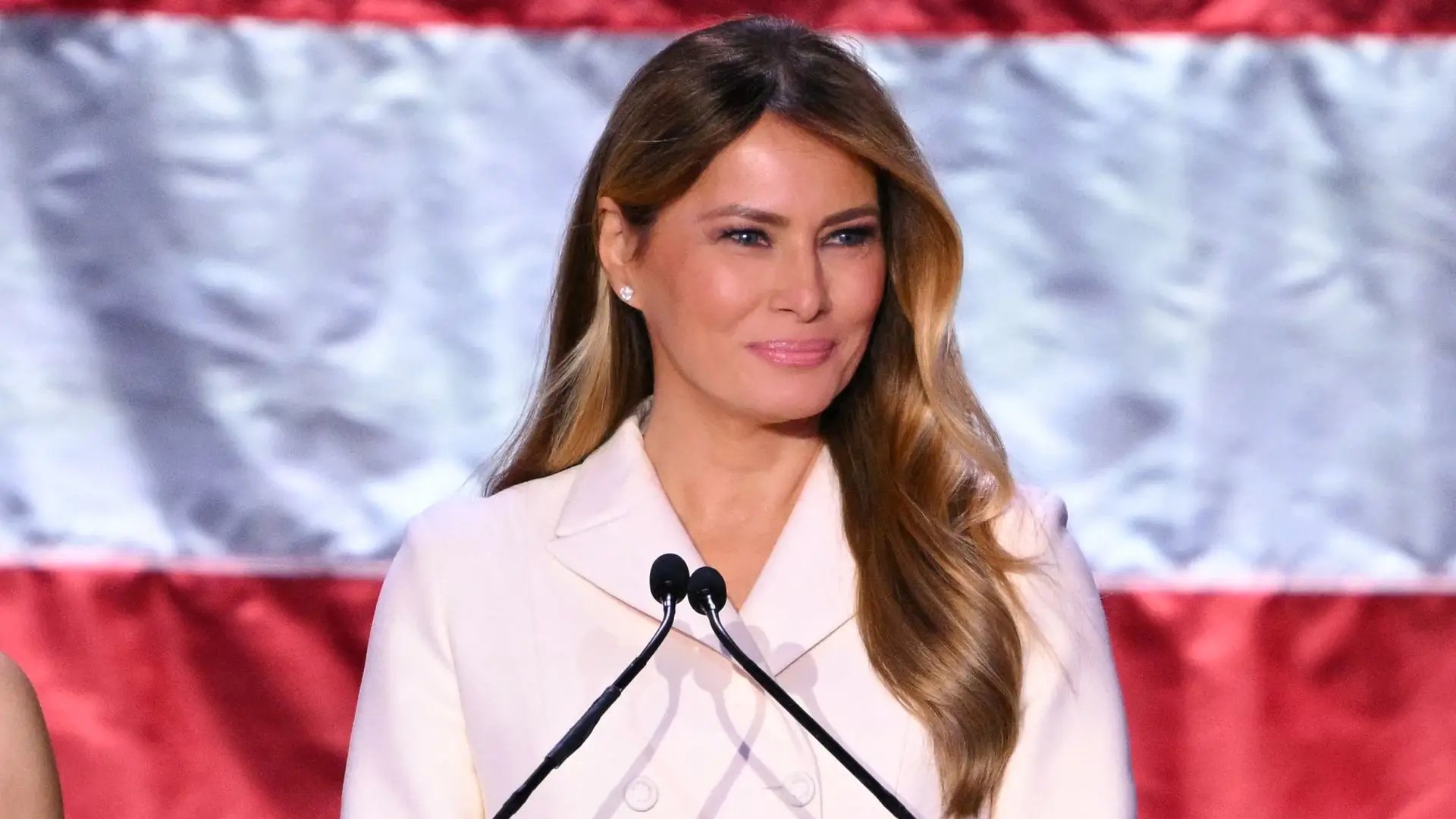

US President Donald Trump called for comedian and television host Jimmy Kimmel to be fired after the comedian likened First Lady Melania Trump to an “expectant widow” during a recent monologue. The remark came days before the third assassination attempt targeting the president, intensifying political tensions and public debate over the limits of satire and free speech in the United States.
Remarks at Dinner Event Trigger Political Backlash
Kimmel made the controversial statement last Thursday during a comedy segment in which he portrayed himself as the master of ceremonies for the upcoming White House Correspondents’ Dinner held in Washington, D.C. In the monologue, he addressed the first lady as if she were seated in the audience and commented that she had “a glow like an expectant widow.” The joke drew criticism from political figures and supporters of the president, who described the remark as inappropriate and insensitive, given the security threats surrounding the administration.
In response, President Trump stated on his social media platform that the comments crossed acceptable boundaries and called on media companies to take disciplinary action. He specifically urged executives at The Walt Disney Company and its subsidiary ABC to dismiss the late-night host. Trump said many citizens viewed the joke as a dangerous call to violence rather than humor, particularly in a politically charged environment.
White House and First Lady Condemn Comments
Earlier, the first lady issued a rare public statement criticizing Kimmel’s remarks and urging the broadcaster to respond firmly. She argued that the monologue undermined civility in public discourse and contributed to what she described as growing political hostility. Moreover, she questioned how many times network leadership would tolerate behavior that she believed harmed national unity and community values.
White House Press Secretary Karoline Leavitt also addressed reporters, saying repeated criticism and harsh rhetoric against the president had created a climate of hostility that could encourage violence. She stated that political opponents and commentators who use extreme language risk escalating tensions and endangering public safety.
The controversy has renewed debate across the United States about freedom of expression, the responsibilities of public figures, and the role of satire in political discourse during periods of heightened security concerns.

