
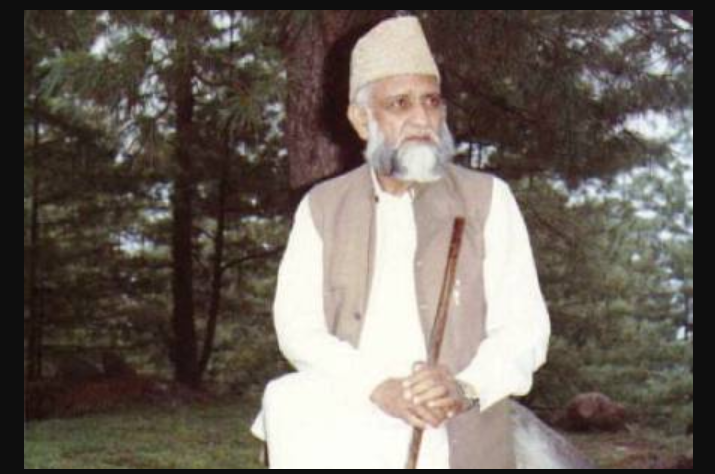

August 23 holds a significant place in the history of Azad Jammu and Kashmir (AJK). Kashmiris observe the day as Neela Butt Day each year.
The day recalls an important gathering that took place at Neela Butt in 1947. Muslims from Kashmir gathered there and launched resistance against Dogra rule.
The gathering also reflected their demand for the accession of Jammu and Kashmir to Pakistan.
Why August 23 Is Remembered
The events at Neela Butt unfolded during a turbulent period surrounding the partition of British India.
According to the historical account, the gathering followed the Radcliffe Award, which placed Gurdaspur in India. The decision gave India a land route toward Jammu and Kashmir.
The development heightened concerns among Muslims in the region. Consequently, resistance against the Dogra administration gained further momentum.
On August 23, 1947, Muslims gathered at Neela Butt to express opposition to Dogra rule. They also called for Kashmir’s accession to Pakistan.
The gathering later became an important symbol within the political history of AJK.
Sardar Abdul Qayyum Khan’s Role
Sardar Muhammad Abdul Qayyum Khan emerged as a prominent figure during the resistance movement.
At the time, he was only 23 years old. However, he took a leading role in the resistance against the Dogra Raj.
His role later earned him the title Mujahid-e-Awwal, meaning the first mujahid.
His leadership became closely associated with the events remembered on Neela Butt Day. Over the years, the day has continued to carry historical significance in AJK.
Neela Butt Day and Kashmir’s Historical Memory
Neela Butt Day remains linked with the political and historical narrative surrounding Kashmir in 1947.
The day particularly recalls the resistance against Dogra rule and the demand for accession to Pakistan.
Moreover, the gathering at Neela Butt is remembered as part of the broader struggle that unfolded during the final months of British rule.
For Kashmiris who observe the day, August 23 represents a significant moment in their historical memory.
The occasion therefore continues to highlight the events, personalities and political aspirations associated with Kashmir’s history during the partition period.

