
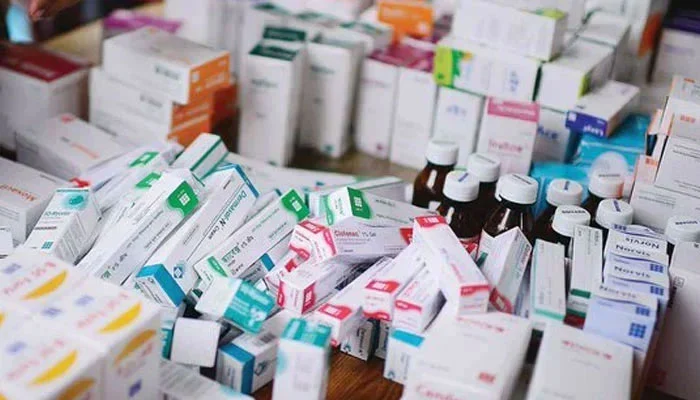

Pakistan is witnessing an alarming rise in medicine prices as several commonly used drugs have become significantly more expensive across the country. The sharp increase has raised serious concerns among patients, healthcare experts, and consumers already struggling with rising living costs.
The latest figures were revealed during a briefing by the Chief Executive Officer of the Drug Regulatory Authority of Pakistan (DRAP). The data showed that prices of essential medicines have increased by hundreds of percent in a short period.
The unprecedented surge is affecting medicines used for flu, pain relief, stomach disorders, allergies, bone health, nausea, and constipation.
Essential Medicines Record Massive Price Increase Across Pakistan
One of the biggest increases was recorded in the price of Coldrex, a medicine commonly used for cold and flu treatment. The price reportedly jumped by 1621 percent. A packet that previously cost Rs27 is now being sold for nearly Rs475.
The medicine Kalv, used for improving bone health, recorded a price increase of 302 percent. Patients suffering from bone-related conditions are now facing much higher treatment costs.
Ibuprofen, one of the most commonly used pain relief medicines, also became significantly more expensive. Reports showed its price increased by more than 244 percent.
The eye medicine Polyflex also saw a major increase. The product price rose from Rs34 to Rs113, creating additional pressure on patients requiring regular eye treatment.
Librex, widely used for stomach and intestinal issues, experienced a 241 percent increase in price. Medical experts fear these rising costs may reduce access to treatment for lower-income families.
Allergy, Digestive, and Nausea Medicines Also Become Expensive
The surge in prices was not limited to basic medicines. Several important injections, syrups, and drops also became far more costly.
The allergy injection Avil increased from Rs432 to nearly Rs1,500. This sharp jump has become a serious concern for patients who rely on emergency allergy treatment.
Laxoberon syrup and drops, commonly used to treat constipation, recorded a price rise of around 200 percent. Families managing chronic digestive conditions are expected to face additional financial stress.
Stimital, a medicine used for nausea and dizziness, also became 188 percent more expensive. The increase has affected patients dealing with motion sickness, vertigo, and related medical conditions.
Healthcare professionals say the continuous rise in medicine prices could create major public health challenges. Many patients may stop purchasing important medicines because of affordability issues.
Medical stores and pharmacies across Pakistan are also facing criticism from consumers frustrated by the sudden increase in treatment expenses.
Government Faces Pressure Over Rising Healthcare Costs
The dramatic rise in medicine prices has increased pressure on health authorities and regulators. Citizens are demanding stricter oversight of pharmaceutical pricing and stronger protection for consumers.
Health Minister Mustafa Kamal responded to concerns by stating that government officials had maintained professional independence from pharmaceutical companies.
He said the authorities had never accepted personal benefits from medicine manufacturers and remained committed to public interest.
Despite these assurances, healthcare experts believe urgent action is needed to control medicine inflation and improve affordability.
Patients suffering from chronic illnesses are expected to face the greatest burden if prices continue to rise. Economists also warn that increasing healthcare expenses may further impact low-income households already dealing with inflation.
The latest figures have intensified debate about pharmaceutical regulation, pricing mechanisms, and access to essential healthcare services in Pakistan.

