
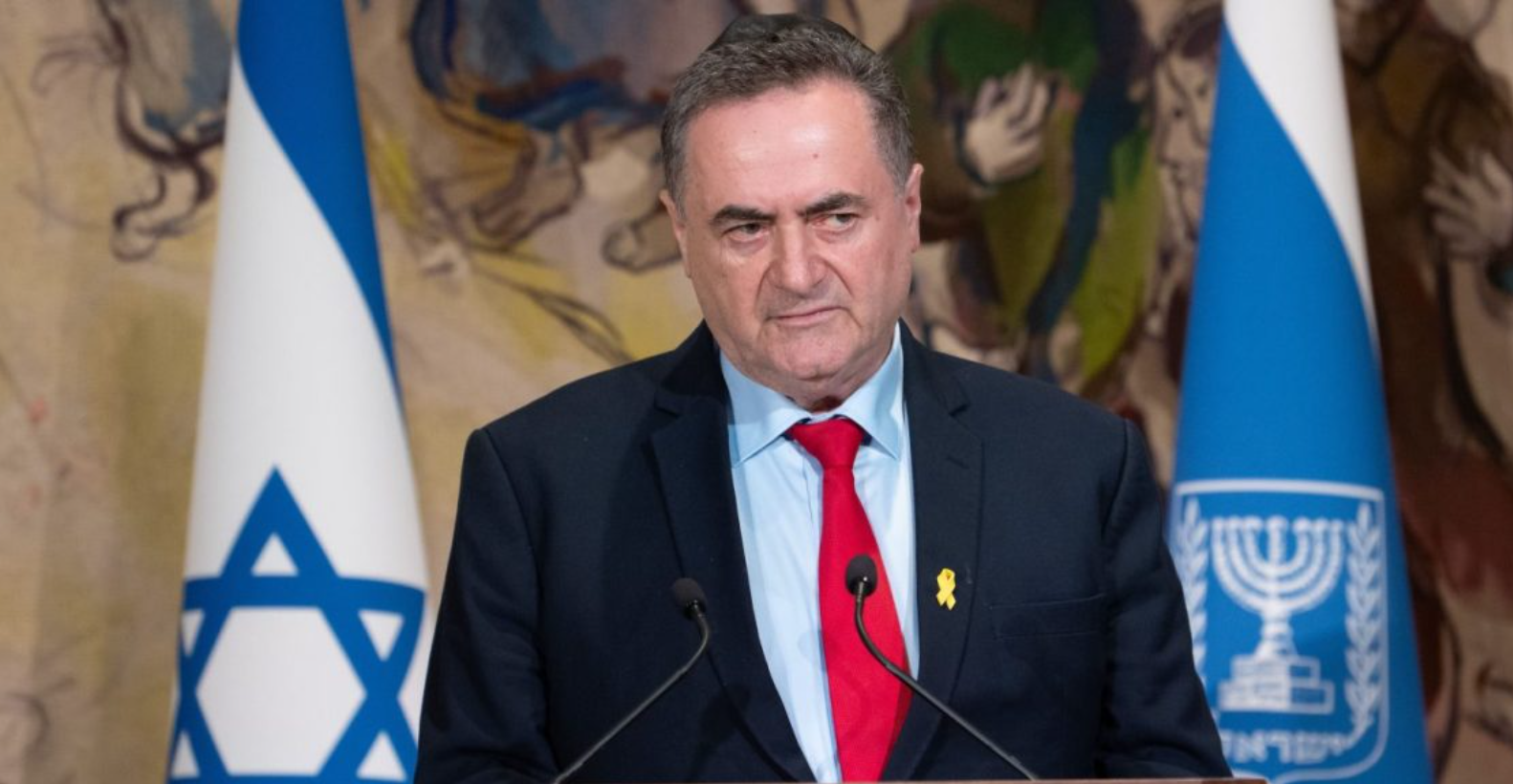

Israel has indicated it is prepared to resume military operations against Iran. The statement comes amid rising uncertainty surrounding the current ceasefire.
Moreover, Defence Minister Israel Katz confirmed that military preparations are already in place. He emphasised both defensive readiness and offensive capability.
“The IDF is ready both defensively and offensively, and the targets have been marked,” Katz said in a video statement.
Awaiting US Decision on Next Steps
However, Israel is waiting for approval from the United States before taking further action. This decision remains central to any potential escalation.
“We are awaiting a green light from the United States — first and foremost to complete the elimination of the Khamenei dynasty… and additionally to return Iran to the Dark Age and the Stone Age by destroying key energy and electricity facilities and dismantling its national economic infrastructure,” he added.
Therefore, the situation remains highly dependent on diplomatic coordination between the two allies.
Background of the Ongoing Conflict
The conflict intensified earlier this year following a major strike on February 28. That attack resulted in the death of Iran’s supreme leader, Ali Khamenei.
Subsequently, his son assumed leadership. However, he has not appeared publicly, which has raised questions about his condition.
Meanwhile, tensions have remained high despite a ceasefire agreement. The pause in hostilities has created space for potential negotiations.
Warning of More Intense Future Strikes
Katz also warned that any renewed offensive would be significantly more severe. He suggested that future operations would target critical infrastructure.
“This time, when the attack resumes, it will be different and lethal, adding devastating blows at the most sensitive points — following the tremendous strikes the Iranian terror regime has already sustained — that will shake and bring down its foundations,” Katz said.
In addition, these remarks signal a possible shift toward more aggressive military strategy.
Ceasefire Extension and Diplomatic Uncertainty
Earlier, the United States announced an indefinite extension of the ceasefire with Iran. The move aimed to allow space for diplomatic engagement.
However, uncertainty continues to surround planned negotiations. Talks expected to take place in Pakistan now face an unclear future.
Consequently, the balance between diplomacy and conflict remains fragile.
Regional Impact and Global Concerns
The ongoing conflict has already caused significant damage across the region. Thousands of people have lost their lives, particularly in Iran and Lebanon.
Moreover, the war has contributed to wider instability. It continues to affect global economic conditions and energy markets.
Therefore, any escalation could have far-reaching consequences beyond the region.

