
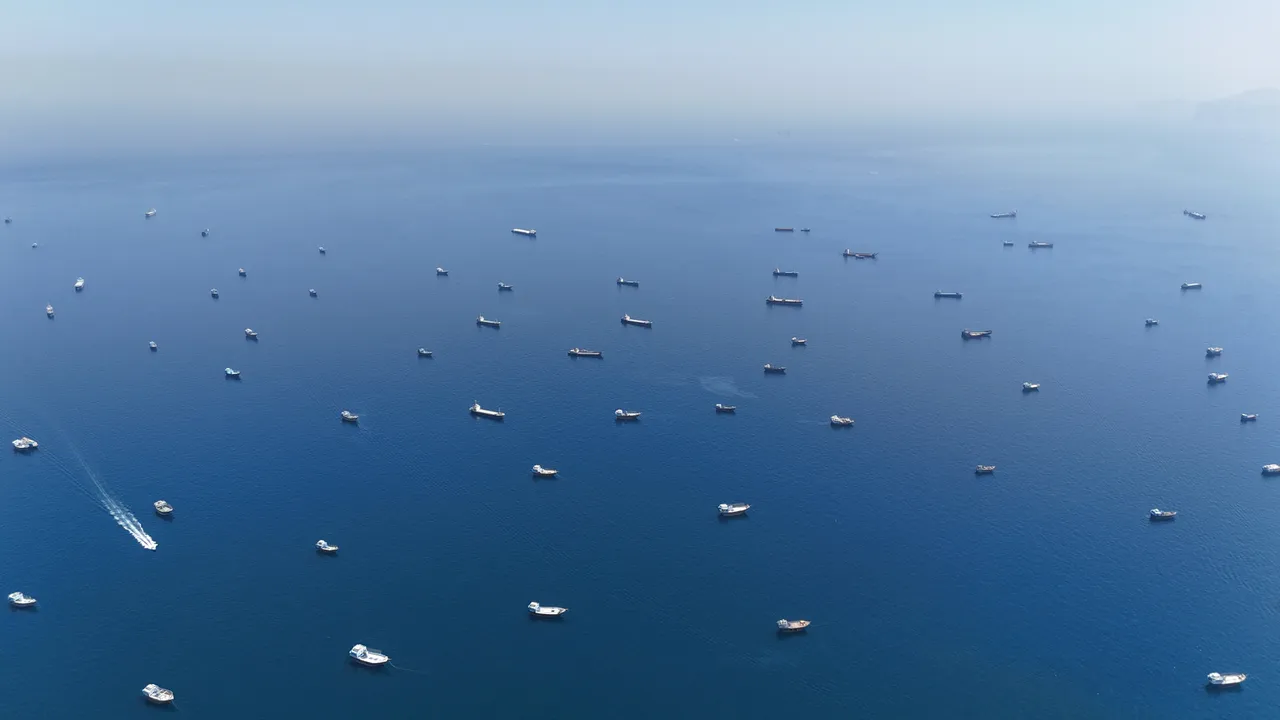

Iran has warned that any effort to bypass current shipping arrangements in the Strait of Hormuz could deepen instability across the Middle East.
The warning came as regional tensions resurfaced despite an existing ceasefire framework and ongoing diplomatic efforts.
Iranian officials stressed that maintaining agreed maritime arrangements remains essential for avoiding further disruption.
At the same time, military exchanges and political disagreements continue to test the durability of recent diplomatic progress.
Iran Calls for Continued Commitment to Existing Agreements
Iran’s foreign minister said attempts to create separate maritime arrangements would complicate the situation.
According to the minister, changing the current process could delay the reopening of normal shipping activity.
He stated:
“Any attempt to adopt new or separate arrangements compared to what is underway by the Islamic Republic of Iran will only lead to more complicated situations and delays in the reopening of the Strait of Hormuz and will increase the tensions.”
He also urged all sides to remain committed to the existing memorandum.
The minister added:
“I urge all parties… to adhere to the memorandum of understanding and not to allow this MoU to deviate from its course.”
Iran further announced that it would maintain oversight and management of Hormuz operations for the next 30 days.
Officials warned that unilateral decisions by other actors could create additional complications.
Why the Strait of Hormuz Remains Strategically Important
The Strait of Hormuz remains one of the world’s most important maritime routes. Large volumes of global oil and liquefied natural gas move through this corridor. As a result, disruptions in the area often affect international markets and energy stability.
Iran’s Revolutionary Guards stated that they had introduced measures to regulate maritime traffic. Officials also signaled stricter monitoring of vessels using the waterway. Earlier concerns emerged after discussions surrounding alternative navigation arrangements.
Iran argued that such steps were introduced without coordination. Authorities maintained that vessels should continue using the currently recognised route.
Tensions Continue Despite Ceasefire Efforts
Although a ceasefire arrangement had previously been announced, tensions have continued across the region. Fresh accusations emerged as different parties blamed each other for violating agreed conditions.
Iran stated that it carried out retaliatory strikes against military targets in Bahrain and Kuwait. Meanwhile, authorities in both countries strongly condemned the attacks.
Officials reported interceptions of missiles and drones and stated that damage remained limited. At the same time, military exchanges continued elsewhere in the region. These developments added pressure to diplomatic efforts aimed at stabilising conditions.
Questions Grow Around the Future of Regional Stability
The recent tensions have also renewed discussion around the future of broader regional agreements.
Analysts noted that extended negotiations combined with controlled pressure may continue shaping developments.
Meanwhile, international attention remains focused on whether diplomatic channels can prevent another escalation.
Regional actors continue stressing the importance of communication and restraint. At the same time, disagreements over implementation remain unresolved. For now, the Strait of Hormuz remains at the centre of both economic and political calculations.
How the next phase unfolds may influence trade, energy flows, and wider regional stability in the coming weeks.

