

Tensions between the United States and Iran escalated after US President Donald Trump extended a ceasefire to allow more time for negotiations while maintaining a naval blockade on Iranian ports. In response, Tehran demanded the lifting of the blockade as a precondition for resuming talks, highlighting a growing deadlock between the two sides.
According to reports, Iran’s ambassador to the United Nations, Amir Saeid Iravani, stated that Tehran had received signals suggesting Washington might consider easing restrictions. He added that Iran would be willing to participate in anticipated negotiations in Islamabad if the blockade was lifted.
However, an adviser to Iran’s parliament speaker dismissed Trump’s ceasefire extension, asserting that the United States lacked the authority to impose unilateral conditions. Meanwhile, a foreign ministry spokesperson clarified that Iran had not yet decided whether to send a delegation, emphasizing that participation would depend on the likelihood of meaningful outcomes.
Earlier, Trump announced the ceasefire extension on social media, stating it would remain in place until Iran presented a viable proposal to end the conflict. Nevertheless, he reaffirmed his directive for US forces to continue enforcing the blockade. Subsequently, he warned that lifting restrictions would undermine Washington’s negotiating position and prevent any agreement.
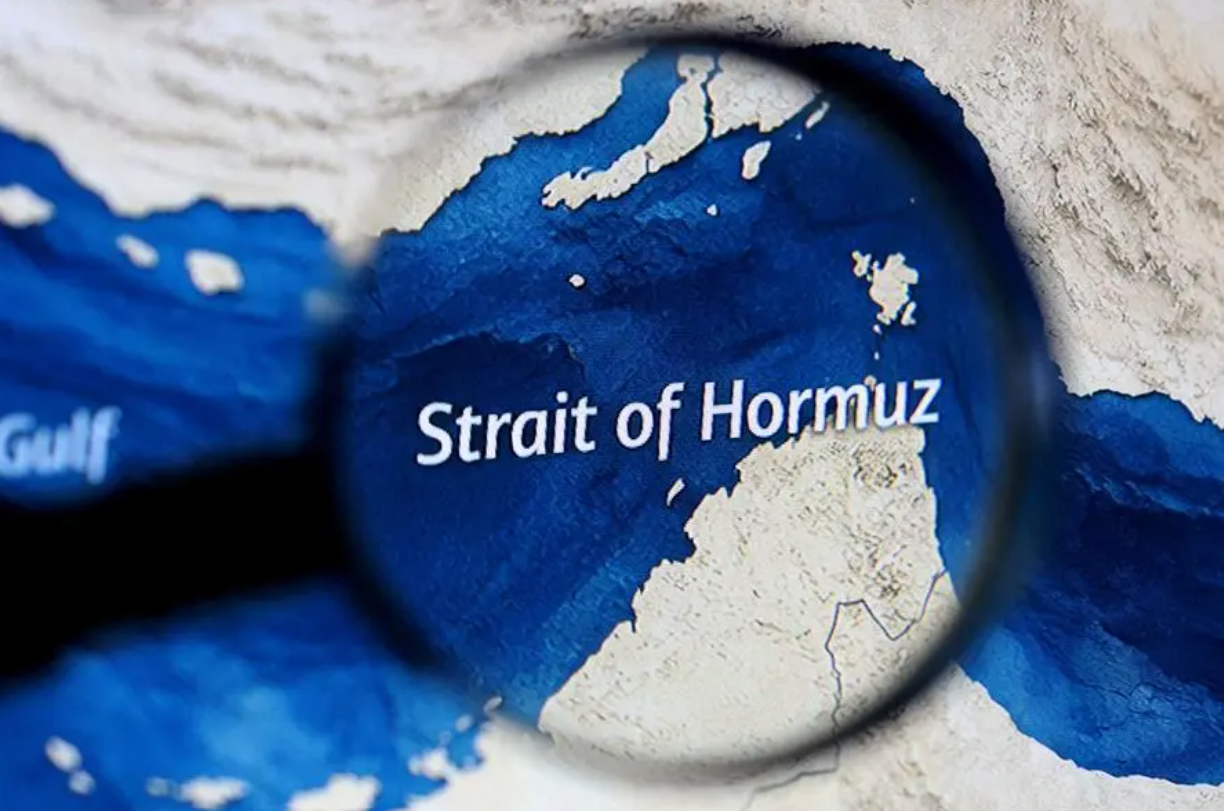
The dispute intensified after Iran previously restricted access to the Strait of Hormuz in retaliation for US actions. At the same time, US Treasury Secretary Scott Bessent cautioned that Iran’s oil storage capacity at Kharg Island could soon reach its limit, potentially forcing production cuts.
Overall, the standoff underscores deepening divisions, as both nations maintain firm positions amid uncertainty surrounding future negotiations.

