
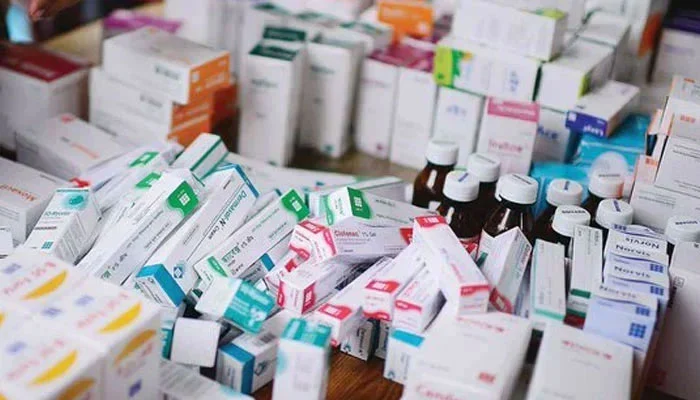

Drug Regulatory Authority of Pakistan has intensified its crackdown on illegal online drug sales. The regulator has formally asked the Pakistan Telecommunication Authority to block multiple websites and digital platforms. Officials describe the situation as a serious and growing public health threat.
The move comes as unregistered and smuggled medicines flood online markets. Many of these products are widely promoted through social media. As a result, authorities are raising concerns about unsafe self-medication across the country.
Rising Threat of Online Drug Sales
Health officials report a sharp increase in digital marketing of medicines. These include prescription drugs and psychotropic substances. Many are advertised directly to consumers without approval.
According to the Ministry of National Health Services, this trend is dangerous. Social media platforms and messaging apps play a key role. Sellers use aggressive ads and direct messaging to attract buyers.
Moreover, these promotions often target sensitive health issues. These include sexual health, weight loss, and mental health conditions. Therefore, people are more likely to trust and purchase these products without consulting doctors.
DRAP Identifies Illegal Platforms
In official letters sent in March and April 2026, DRAP highlighted several websites. These platforms allegedly sell unregistered therapeutic goods. Some also operate linked accounts on Facebook and Instagram.
Authorities say public complaints triggered the investigation. Consequently, DRAP requested immediate blocking of these platforms تحت relevant laws. Officials stressed that such activities violate national drug regulations.
Legal Violations and Health Risks
DRAP stated that these actions breach the DRAP Act 2012 and the Drugs Act 1976. Selling or advertising unregistered medicines is a punishable offence. Therefore, strict legal action may follow.
Officials revealed that many products are smuggled from neighboring countries like Iran and India. Others are produced locally without proper registration. These drugs are marketed as quick solutions for serious conditions.
However, experts warn of severe risks. Many of these medicines require medical supervision. Unchecked use can cause side effects, dependency, or even life-threatening complications.
Social Media Fueling Self-Medication
Health experts highlight a worrying trend. People increasingly rely on social media for medical advice. Misleading ads, fake testimonials, and bold claims attract vulnerable users.
As a result, self-medication is rising rapidly. This is especially dangerous in Pakistan, where digital regulation remains weak. Enforcement systems are still developing, which allows such activities to grow.
Government Issues Strong Warnings
DRAP has warned pharmaceutical companies and marketers. No product can be advertised without approval from its Advertisement Board. This rule falls under the Therapeutic Goods Advertisement Rules 2025.
Violations can lead to serious consequences. These include fines, product seizures, and legal action. In some cases, matters may be referred to law enforcement agencies.
Call for Immediate Action
DRAP has urged PTA to act quickly. Blocking these websites is critical to protect public health. Officials also called for better coordination between federal and provincial authorities.
In addition, authorities asked social media companies to improve monitoring. They must remove content promoting illegal or unregistered medicines.
Public Advisory
Health officials advise citizens to stay cautious. People should avoid buying medicines from unknown online sources. Instead, they should consult qualified doctors before using any product.
This is especially important for treatments related to sexual health, weight loss, or mental health. Experts stress that awareness is key to preventing harm.
Pakistan faces a growing digital health challenge. Without strict enforcement, illegal drug sales may continue to rise. Therefore, urgent action is necessary to protect consumers and ensure safe medical practices.

