

Restricted Movement Raises Pressure on Energy Markets
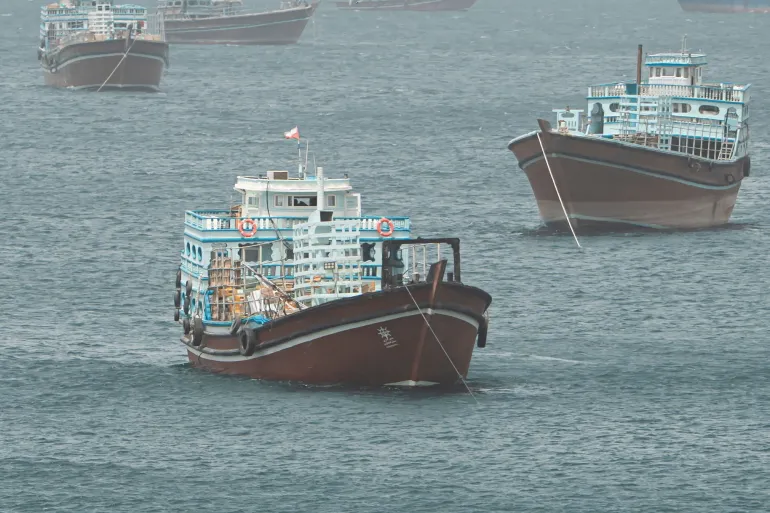
Eleven weeks after the conflict involving Iran began, the Strait of Hormuz has remained under severe operational restrictions, continuing to affect global trade and energy markets far beyond the Gulf region. Reports indicate that reduced shipping activity through the strategic waterway has increased pressure on international supply chains and raised concerns about broader economic consequences.
Before the conflict, between 120 and 140 vessels crossed the strait each day, including approximately half carrying oil cargoes totaling around 20 million barrels. However, shipping activity has reportedly declined sharply, with only a limited number of vessels now receiving authorization to transit through the route under current conditions.
Meanwhile, Iranian authorities stated on Wednesday that 26 vessels had crossed the strait within a 24-hour period. The announcement followed the establishment of the Persian Gulf Strait Authority, a body tasked with providing operational updates and managing activities related to the critical passage.
Transit Costs and Economic Concerns Gain Attention
Furthermore, reports suggested that Iran has been developing a formal structure for collecting transit fees from vessels using the waterway following the announcement of a temporary ceasefire earlier this year. The route traditionally carries approximately 20 percent of global oil and liquefied natural gas shipments during normal conditions.
According to reports, transit charges have reached levels of up to $2 million per vessel during the ongoing situation. Consequently, shipping operators and analysts have started examining whether paying additional fees could prove less costly than prolonged delays and disrupted trade routes.
At the same time, market observers noted that extended restrictions could continue influencing transportation expenses, energy prices, and supply chains. Analysts also suggested that developments surrounding the strategic route remain important because of its major role in global trade and energy distribution networks.

