
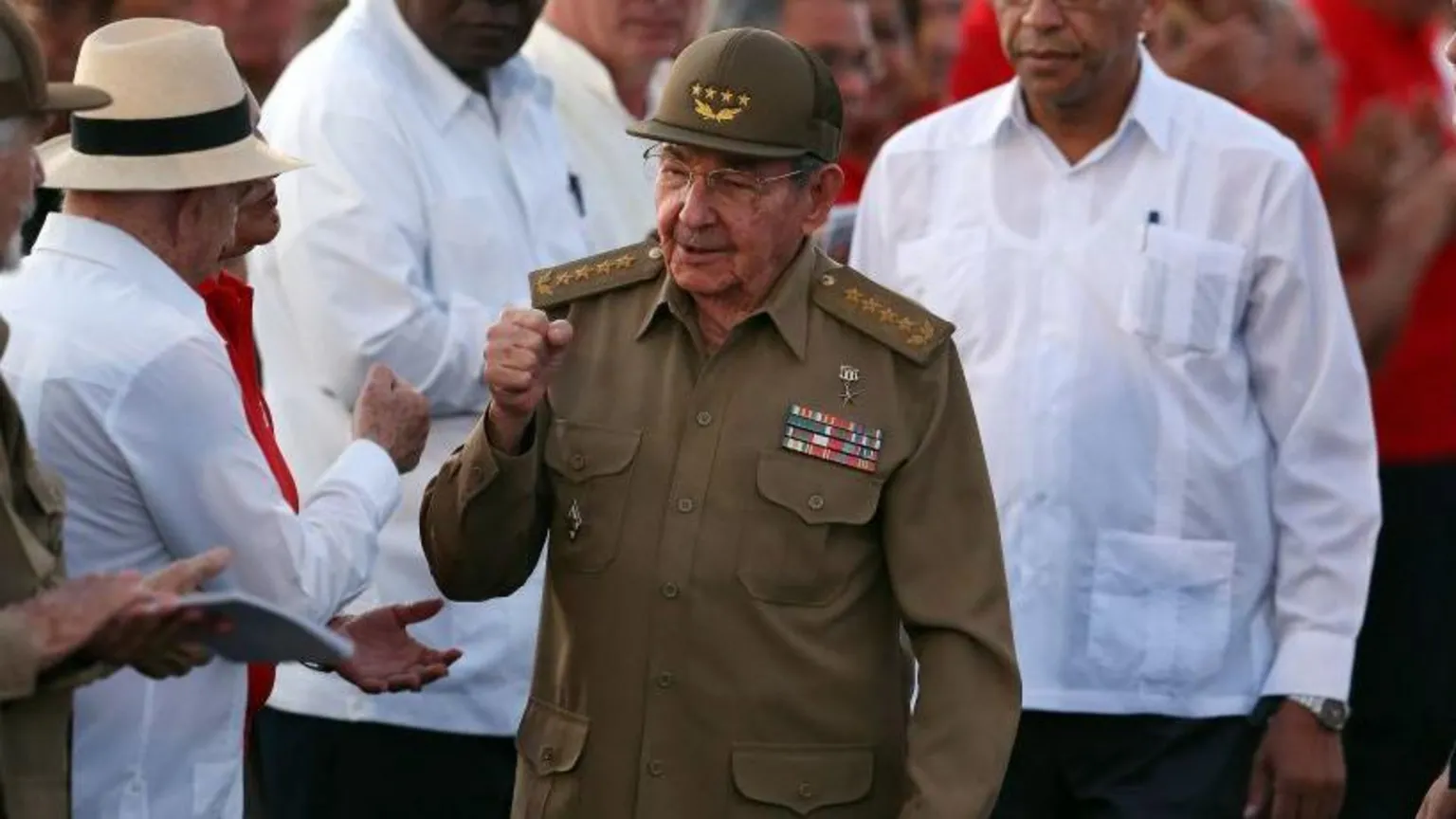

International Reactions Intensify Following US Decision
China and Russia strongly criticized the United States after Washington filed murder charges against former Cuban president Raúl Castro, a move that added new tensions to already strained relations involving Cuba and its international partners. Both governments accused the United States of increasing pressure on Havana through legal and political measures.
China’s Foreign Ministry urged Washington to stop using what it described as coercive tactics and threats against Cuba. Chinese officials stated that Beijing firmly supports Havana and opposes attempts by external powers to apply pressure under any justification. Meanwhile, the Kremlin also condemned the move, with Russian officials arguing that pressure targeting Cuba had reached unacceptable levels.
The legal action relates to the 1996 downing of two aircraft linked to a Cuban-American dissident group. The incident killed four people and became a major source of long-term disagreement between Washington and Havana. US authorities accused Castro and several others of involvement in the event and filed charges carrying severe penalties.
Diplomatic and Economic Pressure Continues
Meanwhile, Cuban authorities rejected the accusations and described the legal action as politically motivated. President Miguel Díaz-Canel criticized the charges and questioned their legal basis.
Furthermore, tensions have increased as the United States imposed additional sanctions on Cuba and tightened economic restrictions. Reports indicated that the measures affected oil supplies and worsened fuel shortages and power disruptions across the country.
Consequently, observers believe the latest developments could further strain relations between Washington and Havana. Analysts also noted that broader geopolitical interests involving Russia and China continue to shape reactions surrounding Cuba and regional diplomatic dynamics.

