
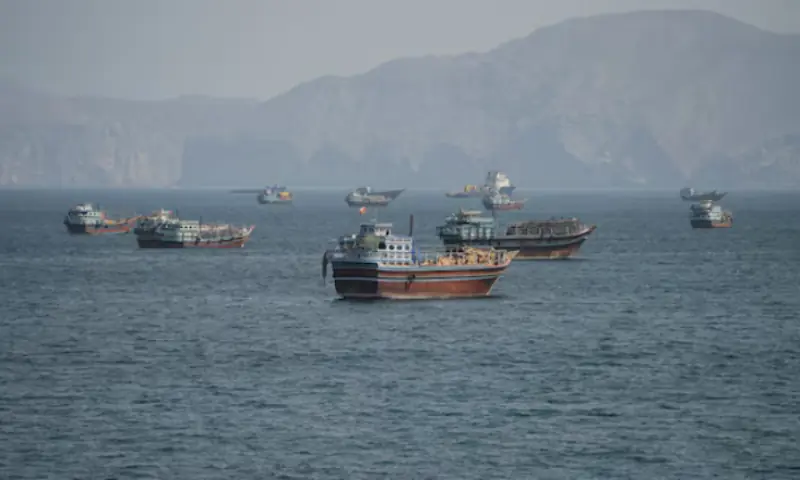

The ongoing US-Israeli war on Iran has disrupted global shipping patterns and increased interest in alternative refuelling locations. Pakistan’s Gwadar Port has emerged as one option for vessels seeking supplies outside the Strait of Hormuz.
International shipping companies are changing how they purchase marine fuel as prices remain elevated and maritime routes face growing uncertainty. Industry executives say many operators now prefer shorter-term fuel contracts and flexible purchasing arrangements.
Shipping Companies Seek Alternative Fuel Ports
The conflict has pushed shipping companies to reconsider their traditional refuelling routes. Fujairah in the United Arab Emirates has faced heightened security concerns, encouraging operators to explore other ports.
Ports in Sri Lanka, Oman and Mauritius have also attracted more refuelling activity. Industry executives report increased demand across parts of Africa and South Asia.
Vitol, a major global energy trader, began supplying marine fuel at Gwadar Port in July. The location allows the company to serve customers operating in the Gulf region without relying exclusively on facilities inside the Strait of Hormuz.
Marine Fuel Prices Remain Elevated
Marine fuel prices have remained more than 70% above pre-war levels, according to bunker-trading data cited in industry reports.
This volatility has changed how shipowners purchase fuel. Rather than committing to long-term contracts, many now buy smaller quantities at prevailing market prices.
Peter Grunwaldt, chief executive of Seascale Energy and head of bunkering at Hafnia, said shipowners increasingly purchase only enough fuel to reach their next port when prices fluctuate sharply.
Other industry executives said contracts that once covered six months or a year have shortened to quarterly or monthly periods. These arrangements give operators more flexibility as market conditions change.
Gwadar Gains Strategic Importance
Gwadar’s location outside the Strait of Hormuz offers shipping companies another option during regional disruptions. Its growing role in marine fuel supply could also support Pakistan’s wider maritime ambitions.
However, increased interest does not guarantee a major expansion in port activity. Gwadar still needs reliable infrastructure, efficient cargo handling, stronger connectivity and sustained commercial demand to attract more shipping business.
The latest developments nevertheless highlight the value of diversified supply routes. As geopolitical uncertainty continues to reshape maritime trade, Gwadar could gain a larger role in regional shipping networks.
For the latest updates, visit and follow The Truth International website (www.thetruthinternational.com) and subscribe to the YouTube Channel.

