
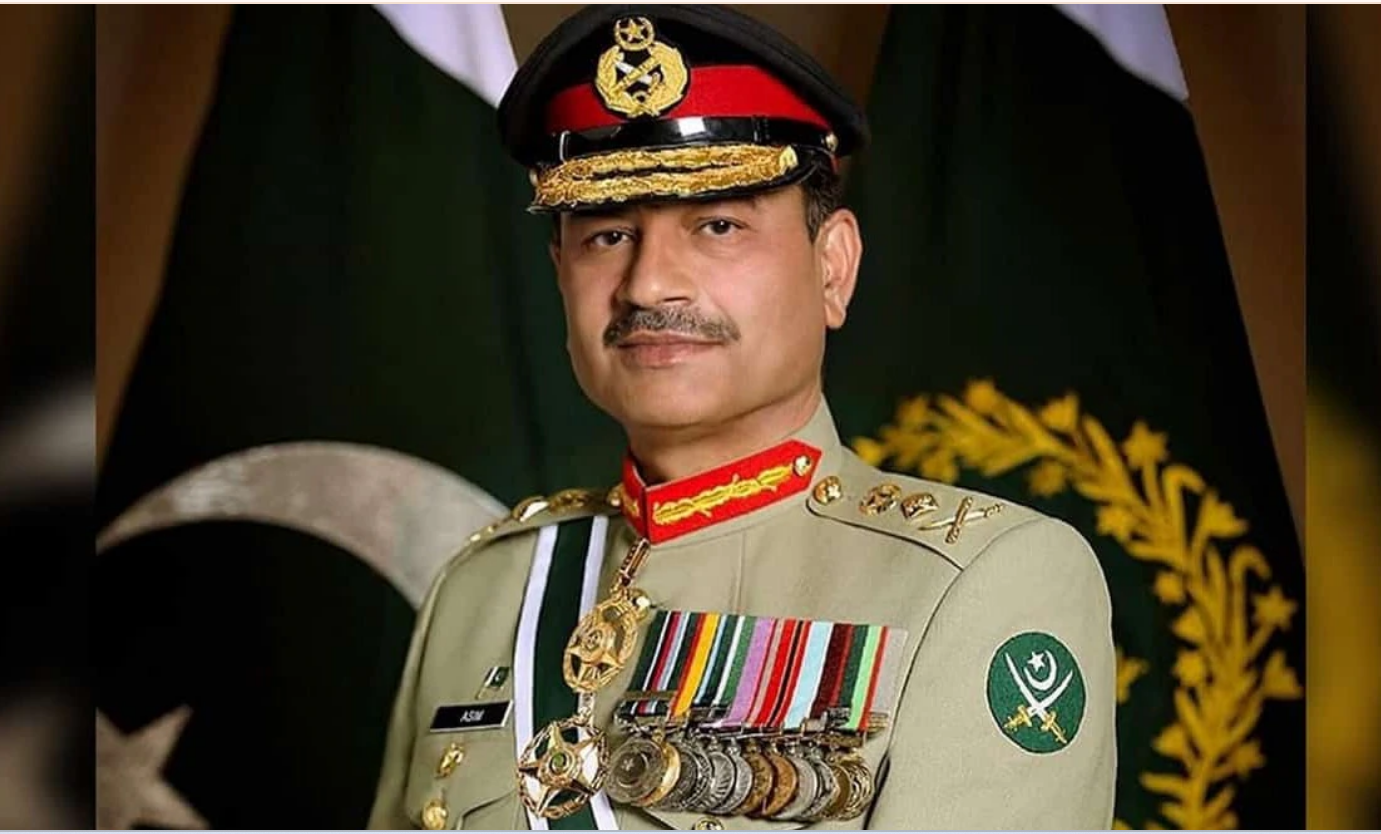

Syed Asim Munir has departed for an official visit to Iran at a time of heightened diplomatic activity involving Tehran, Washington, and regional partners. The visit comes as Pakistan expands its role as a potential mediator in efforts to reduce tensions and restart stalled Iran–US negotiations.
Security sources confirmed on Friday that the high-level visit will focus on regional stability, ongoing Iran–US diplomatic engagement, and broader security cooperation. The discussions are expected to include senior Iranian leadership and cover bilateral relations as well as wider geopolitical concerns.
The development follows a series of diplomatic moves involving Pakistani officials who have been actively engaging both sides in an effort to revive dialogue. Islamabad has positioned itself as a facilitator amid growing international pressure to prevent further escalation in the region.
High-Level Military Visit Focuses on Regional Stability and Diplomacy
According to security officials, Syed Asim Munir’s visit to Iran will include meetings with top Iranian dignitaries. The discussions will focus on security coordination, border stability, and evolving regional threats.
Officials said the visit also aims to support ongoing diplomatic channels between Iran and the United States. Pakistan has repeatedly expressed willingness to assist in bridging communication gaps between the two sides.
The timing of the visit is seen as significant. It comes amid renewed efforts by regional powers to prevent further escalation in the Gulf. The Strait of Hormuz and broader maritime security remain key topics of concern.
Pakistan’s leadership has maintained that regional peace is essential for economic stability and global energy security. The visit is expected to reinforce that position in discussions with Iranian authorities.
Naqvi’s Tehran Talks Continue as Pakistan Expands Mediation Role
Mohsin Naqvi has also held fresh rounds of talks in Tehran with Iranian Foreign Minister Seyed Abbas Araghchi. The meetings focused on draft proposals and possible frameworks for de-escalation between Iran and the United States.
Reports from Iranian media suggest that different draft arrangements were discussed during the latest round of dialogue. These talks are part of a broader diplomatic initiative involving Pakistani officials acting as intermediaries.
Pakistan’s Foreign Minister Ishaq Dar has publicly stated that Islamabad is doing its best to bring Washington and Tehran closer to a peace agreement. He confirmed that Pakistan will continue its mediating efforts.
Earlier discussions between the two sides were hosted in Islamabad in April. Those talks marked rare direct engagement between US and Iranian representatives, although no final agreement was reached.
Despite setbacks, diplomatic channels remain active. Counterproposals have been exchanged, and discussions continue on possible frameworks for restarting negotiations.
US, UAE and Global Stakeholders Watch Iran–Hormuz Situation Closely
International concern is growing over the future of the Strait of Hormuz, a critical global energy route. A senior UAE official said there is only a “50–50” chance of a breakthrough agreement between Iran and the United States.
The Strait remains a central issue in ongoing negotiations. Any disruption could significantly affect global oil and LNG supplies, as nearly a fifth of global energy shipments pass through the route.
UAE presidential adviser Anwar Gargash urged Iran to avoid escalating tensions. He warned that prolonged instability could damage both regional security and global energy markets.
Meanwhile, US officials have also expressed cautious optimism. US Secretary of State Marco Rubio said Washington is hopeful that Pakistan’s mediation efforts could help advance talks.
At the same time, discussions continue over maritime governance in the region. Reports suggest Iran and Oman have explored proposals for a toll system on ships passing through the Strait of Hormuz. Iranian officials argue that security management involves operational costs that should be shared by users of the route.
These developments have raised concerns among global shipping and energy stakeholders. Analysts warn that any new restrictions or toll mechanisms could increase transport costs and trigger further inflationary pressure.
Diplomatic Stalemate Continues Despite Ongoing Engagement
Despite ongoing diplomatic engagement, major disagreements remain unresolved. Key sticking points include Iran’s nuclear program, sanctions relief, and control over strategic maritime routes.
US officials continue to insist on strict conditions for any agreement. Iranian representatives, however, have demanded guarantees on sanctions relief and economic access.
Former US President Donald Trump has also commented on the situation, warning that negotiations remain fragile and could shift rapidly depending on progress.
Meanwhile, Pakistan’s expanded diplomatic involvement reflects its growing regional role. Officials in Islamabad say they are committed to supporting peace efforts while maintaining balanced relations with all parties.
The situation remains fluid, with diplomatic channels active but no final agreement in sight. Regional stability continues to depend on whether negotiations can move beyond the current impasse.

