
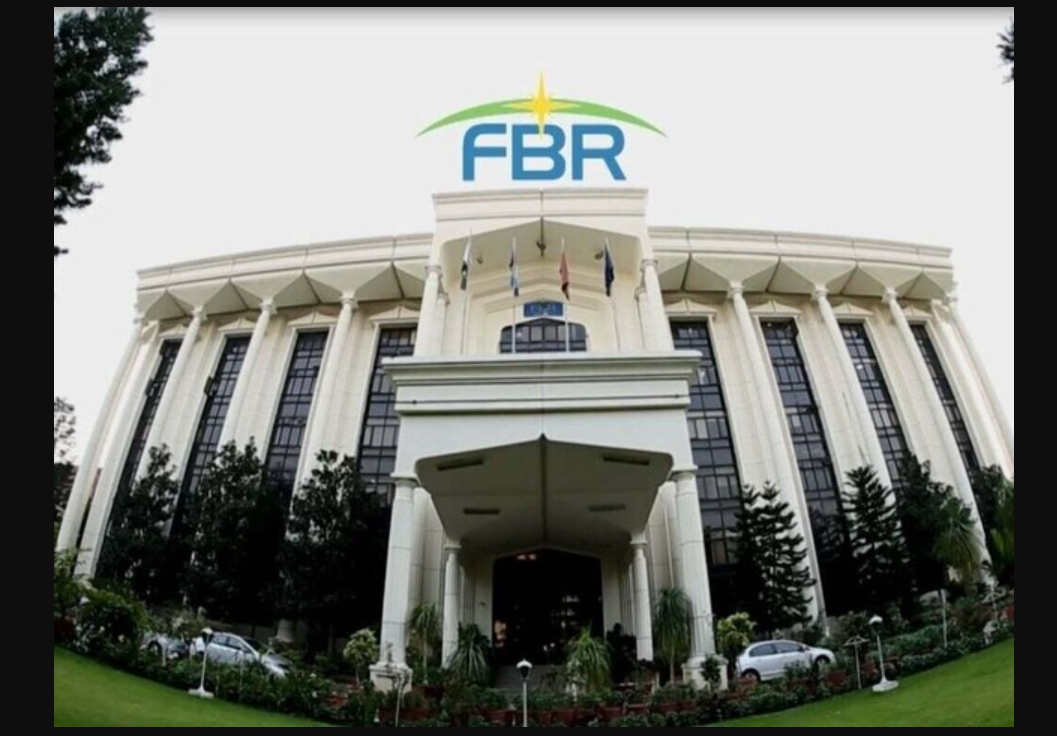

The Federal Board of Revenue (FBR) has introduced a new digital system that allows banks to access the asset declarations of senior public office holders.
The initiative forms part of Pakistan’s broader reforms related to anti money laundering and counter financing of terrorism measures linked to the International Monetary Fund (IMF) programme.
Through this system, financial institutions will gain access to relevant declaration records while conducting compliance and verification procedures.
At the same time, authorities expect the move to strengthen transparency and improve financial sector monitoring.
Which Officials Are Covered Under the New FBR System?
According to the FBR, banks can now access asset declarations submitted by public office holders from BS-17 to BS-22.
The access is available through a dedicated digital portal developed for Anti Money Laundering and Counter Financing of Terrorism (AML/CFT) requirements.
Officials said the facility has been created specifically to support due diligence processes carried out by financial institutions.
As a result, banks will be able to verify information more efficiently during compliance assessments.
Why Has FBR Introduced This Digital Access?
The new mechanism has been implemented as part of an IMF structural benchmark.
Under this requirement, the FBR must provide banks with access to asset declarations and publish usage statistics linked to the system.
Authorities believe this approach will improve transparency while strengthening financial sector oversight.
In addition, the measure aims to enhance institutional monitoring standards and align local practices with international expectations.
The government also views the reform as part of wider efforts to strengthen Pakistan’s regulatory environment.
What Do the Latest Usage Statistics Show?
Alongside launching the facility, the FBR also released data covering activity from December 2025 to May 2026.
According to the published figures, banks submitted a total of 2,628 applications requesting access to asset declarations.
Out of these requests, authorities approved 2,205 applications.
Meanwhile, 423 applications were either rejected or refused.
Officials stated that publishing these numbers serves two purposes.
First, it increases transparency regarding how the system operates.
Second, it raises awareness among banks about the availability of the digital platform.
How Will Banks Use the Portal?
According to the FBR, the portal has been designed to support customer due diligence and regulatory compliance checks.
Banks can use the platform to verify asset declarations during AML/CFT review procedures.
Consequently, financial institutions may strengthen internal compliance mechanisms and improve documentation processes.
Officials also believe the system will support more effective monitoring practices across the banking sector.
Part of Pakistan’s Broader Financial Transparency Agenda
The introduction of digital access reflects Pakistan’s continuing focus on financial transparency and regulatory improvement.
Authorities expect the initiative to contribute to stronger institutional coordination between financial regulators and banks.
At the same time, the system supports the country’s ongoing commitments under international compliance frameworks.
By combining digital access with public reporting of usage statistics, the reform seeks to improve accountability while strengthening confidence in financial oversight mechanisms.

