
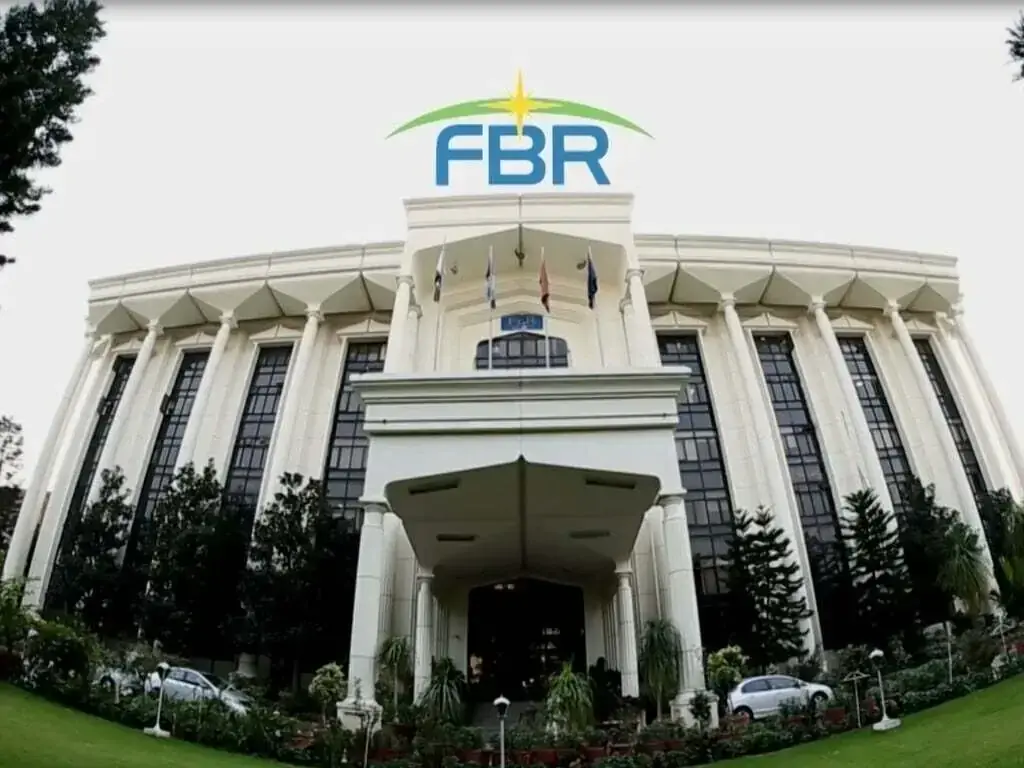

The Federal Board of Revenue (FBR) is expanding artificial intelligence use to examine individual income tax returns more efficiently.
The automated system will identify factual and legal mistakes, along with discrepancies in taxpayers’ returns. However, detecting an issue will not automatically trigger legal or penal action.
The proposed mechanism aims to give taxpayers an opportunity to explain or correct problems before enforcement proceedings begin.
FBR Proposes New Rules for Electronic Scrutiny
The FBR has proposed draft rules titled “38-B Procedure for electronic scrutiny and intimation of issues detected by the automated system”.
The proposal involves amendments to the Income Tax Rules 2002. However, the draft rules will be finalised after three days following feedback from stakeholders.
Under the proposed system, tax authorities will use automated analysis to examine information available in their records.
The system will also cross-match information with details declared in income tax returns. As a result, potential discrepancies can be identified for clarification by taxpayers.
Automated System Will Flag Tax Return Issues
The proposed system will detect factual and legal mistakes or discrepancies in individual tax returns.
Once an issue is identified, the system will send online advice or advance intimation through the IRIS portal.
The notification will inform taxpayers about the detected issue and provide an opportunity to respond. They can clarify the discrepancy, correct errors or take appropriate corrective action.
Importantly, an automated finding will not itself lead to enforcement action. Instead, the system will provide an initial scrutiny layer before further proceedings are considered.
Taxpayers Will Get Time to Respond
Under the proposed mechanism, taxpayers will first receive electronic information about discrepancies found in their returns.
They will then have an opportunity to clarify or rectify the issue through the prescribed procedure. An Inland Revenue officer with jurisdiction over the taxpayer may also send the system-generated advance intimation.
The notification will provide a response period of at least seven days. During this period, taxpayers can explain or correct the identified discrepancy.
If a taxpayer does not respond within the specified period, another reminder will be issued. That reminder will provide an additional period of at least seven days.
Therefore, taxpayers will receive another opportunity to respond before the matter moves toward further action.
Tax Officers Will Retain Decision-Making Role
Although artificial intelligence will assist in identifying discrepancies, tax officers will continue to play a central role.
The relevant Inland Revenue officer will examine the taxpayer’s response before deciding what action may be appropriate.
The officer will also consider cases where the taxpayer does not respond. Any subsequent action will be taken under the relevant provisions of the Income Tax Ordinance and applicable rules.
This means the automated system will identify potential problems, while the tax officer will assess whether those issues warrant action under the law.
New Automated Layer Added to Tax Scrutiny
The proposed arrangement introduces an automated scrutiny stage soon after income tax returns are processed.
Through this system, the FBR will be able to compare declared information with other data available to tax authorities. Consequently, potential inconsistencies can be brought to taxpayers’ attention earlier.
However, the system is not designed to make an automated discrepancy equivalent to enforcement action. Taxpayers will first have an opportunity to provide clarification or make corrections.
The proposed framework therefore combines automated scrutiny with human review. The final assessment of whether a discrepancy requires action will remain with the relevant tax officer.
For the latest updates, visit and follow The Truth International website (www.thetruthinternational.com) and subscribe to the YouTube Channel.

