
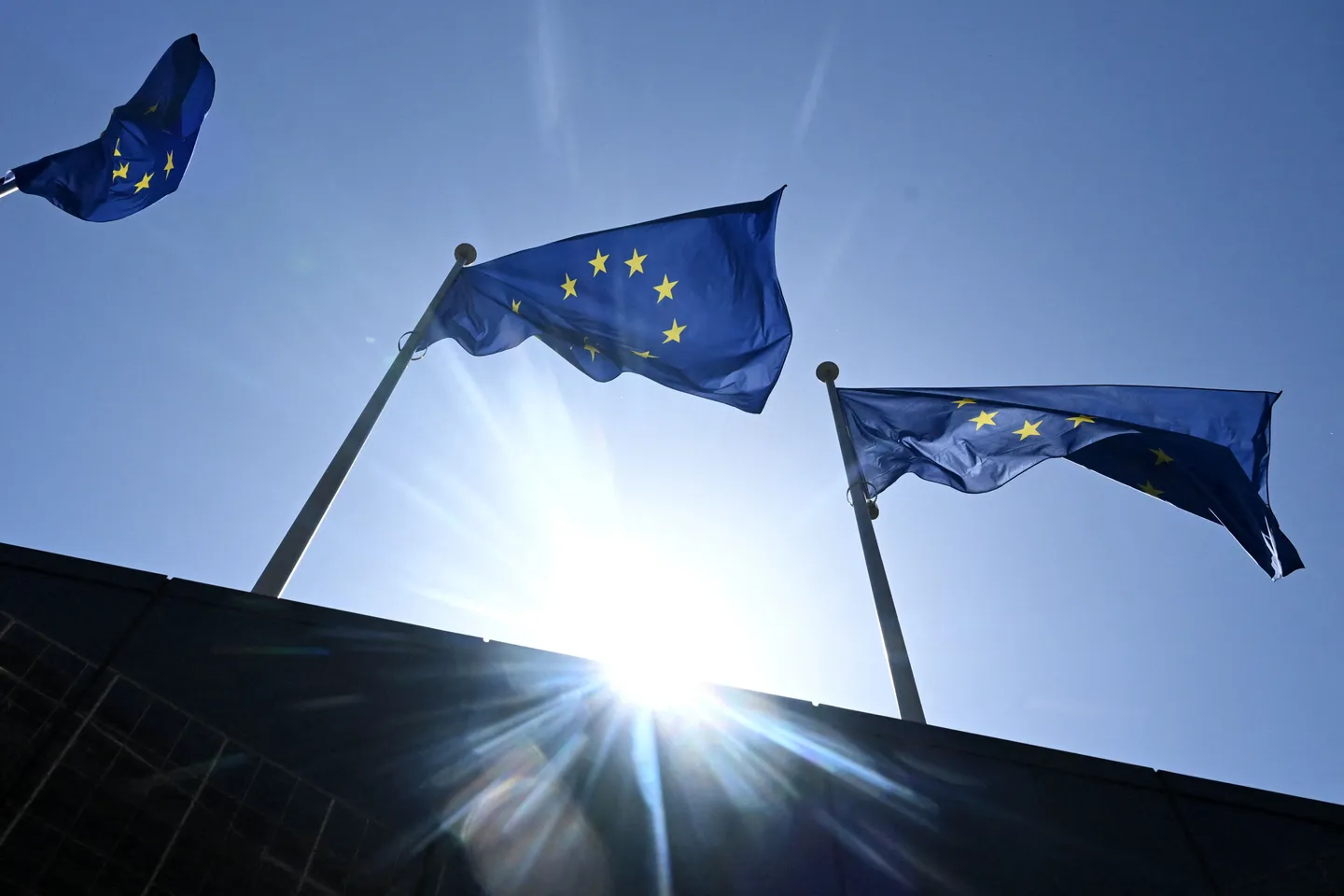

European Union ambassadors will meet on Wednesday to find an agreement on a new sanctions package against Russia over its war in Ukraine.
The proposed package represents the EU’s 21st round of sanctions. It focuses mainly on Russia’s banking sector and aims to increase pressure on Moscow’s financial system.
However, Greece has delayed approval of the measures due to concerns over restrictions on Russian liquefied natural gas (LNG) supplies.
Greece Raises Concerns Over LNG Restrictions
Greece has asked the EU to reduce planned restrictions on Russian LNG transfers.
Athens argued that banning LNG transfers would not significantly reduce Russia’s earnings. Instead, it could move market opportunities outside Europe.
Greece plays a major role in the global LNG shipping industry. The country has one of the largest LNG carrier fleets and competes with Japan, China, and the United States.
Meanwhile, EU officials had expected fewer disagreements after Hungary’s Viktor Orban left office. He had repeatedly delayed decisions related to Ukraine support and Russia sanctions.
However, fresh divisions have emerged as the European Commission attempts to close remaining financial loopholes.
New Measures Target Russian Banks
The latest sanctions package includes around 215 individuals and organizations. It also targets 94 financial institutions.
Nearly 90 of these institutions are banks. As a result, more than half of Russia’s internationally connected banks would face EU sanctions.
Western countries previously removed major Russian banks from SWIFT in 2022. The system supports secure international financial transactions.
However, Russian businesses continued some trade activities through smaller banks and cryptocurrency networks.
Sanctions Aim to Pressure Russian Economy
EU officials said the banking restrictions aim to discourage third countries from working with targeted Russian lenders.
Furthermore, the European Commission has proposed keeping the current oil price cap at $44.10 per barrel for six months.
The EU previously reduced the cap from $60 per barrel after changing its pricing mechanism.
Last week, EU representatives agreed to temporarily maintain the existing limit until July 23. They hoped the delay would help secure wider support for the sanctions package.
Officials warned that increasing the oil price cap could provide Moscow with higher revenues during the ongoing conflict.
The EU continues negotiations as member states attempt to balance economic interests with efforts to pressure Russia over its actions in Ukraine.

