
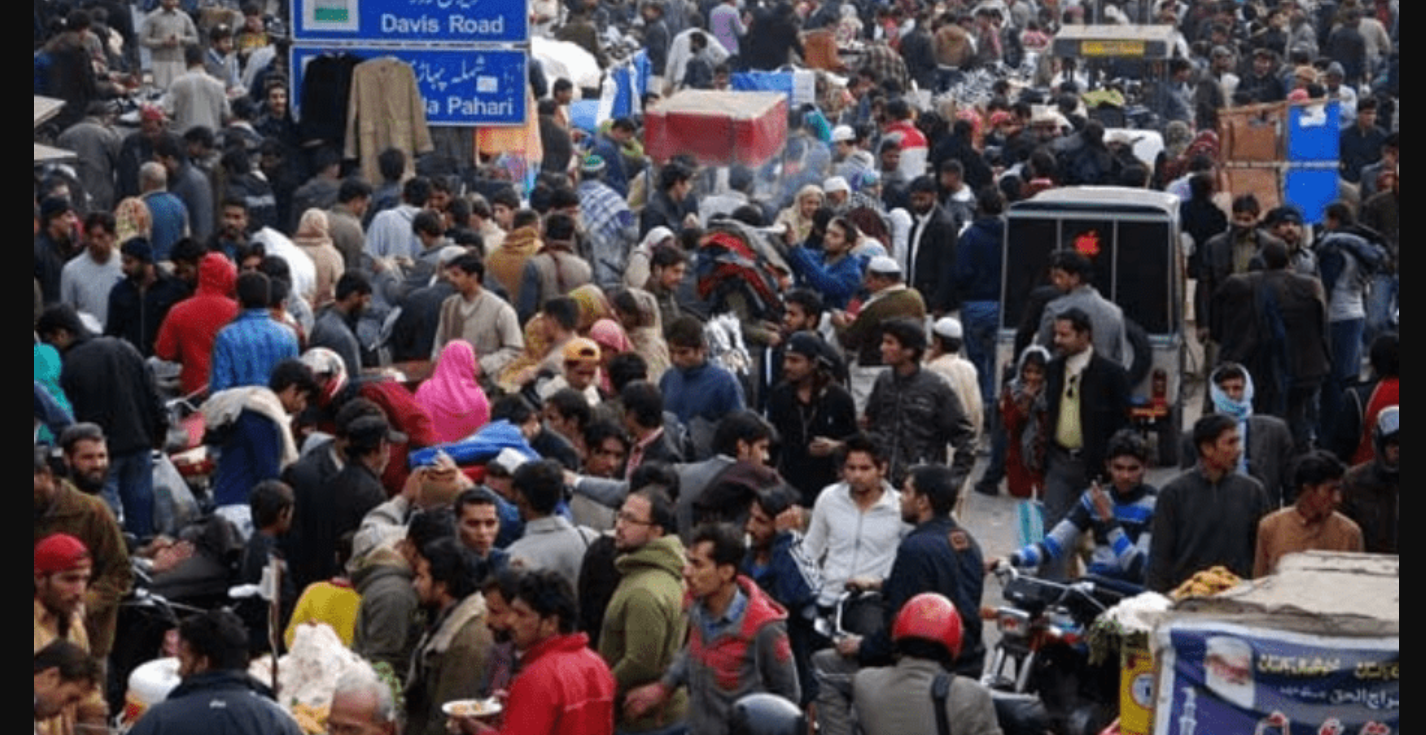

Pakistan’s population has shown a sharp rise and now exceeds the 252 million mark, according to the latest Economic Survey.
The report highlights continuous demographic expansion across the country while also raising concerns about its long-term economic and social impact.
Pakistan Population Surpasses 252 Million
The Economic Survey 2025-26 confirms that Pakistan’s total population has reached 252.09 million, reflecting steady and ongoing growth across both urban and rural regions.
This increase highlights a persistent upward trend in the country’s demographic structure, which continues to shape national planning priorities.
Gender Breakdown Shows Narrowing Gap
According to official data, the male population stands at 129.54 million, while the female population has risen to 122.45 million across the country.
As a result, the gender gap has narrowed over time and now stands at approximately 7.1 million, showing gradual demographic balancing within the population structure.
This shift also reflects changing social and population dynamics in Pakistan over recent years.
Rising Pressure on Public Services and Infrastructure
The Economic Survey highlights that rapid population growth is placing increasing pressure on public services across the country.
Healthcare systems are facing rising demand, while educational institutions are required to accommodate a growing number of students each year.
In addition, urban infrastructure is struggling to keep pace with expanding population needs, particularly in major cities.
Natural resources are also under strain, as higher population levels increase overall consumption and demand.
Therefore, authorities are expected to focus more strongly on long-term planning and sustainable development strategies.
Economic and Social Implications of Growth
The report notes that population growth directly impacts employment opportunities, housing demand, and overall economic stability.
Job creation remains a key challenge, especially as more young people enter the labor market each year.
Similarly, housing shortages and urban congestion continue to grow in major metropolitan areas.
Moreover, public service delivery systems must expand rapidly to meet increasing national requirements.
Economic Survey as a Key Policy Indicator
The Economic Survey serves as an important document that outlines Pakistan’s socio-economic performance ahead of the federal budget.
It provides policymakers with updated data on population trends, economic indicators, and development challenges.
This information plays a crucial role in shaping fiscal and development priorities for the upcoming financial year.
Need for Long-Term Strategic Planning
Experts suggest that sustained population growth requires stronger planning, better governance, and improved resource management across all sectors.
Investment in education, healthcare, and employment generation is seen as essential for managing long-term demographic pressure.
Without effective reforms, rising population levels may continue to strain infrastructure and slow down economic progress.
The latest findings reinforce the need for coordinated national strategies that align population growth with sustainable development goals.

