
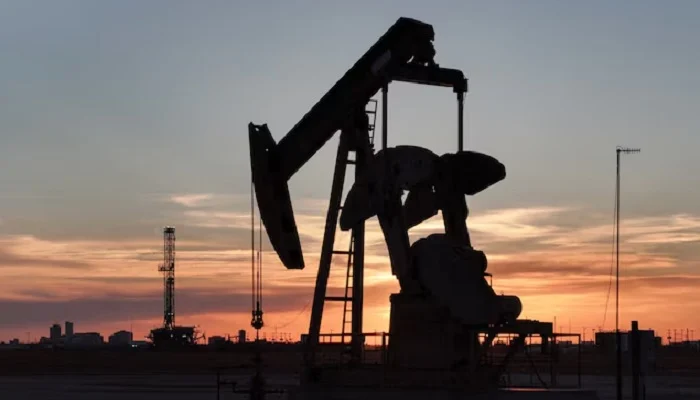

The OPEC+ alliance is widely expected to approve another increase in oil production when member countries meet online on Sunday. Analysts believe the group could raise September production quotas despite continued disruptions to global energy supplies caused by the conflict in the Middle East.
If approved, the move would continue a series of production increases introduced over recent months. However, analysts also suggest this may be the final increase under the current production adjustment plan.
Analysts Expect Another Production Increase
According to market analysts, OPEC+ is likely to increase production by 188,000 barrels per day for September.
The expected increase follows several similar production hikes introduced during recent months. Analysts believe the September adjustment would complete the rollback of the second production-cut package previously adopted by the alliance.
However, some experts say the increase may also mark the end of the current production expansion cycle.
Why OPEC+ Changed Its Strategy
Between late 2022 and 2023, OPEC+ introduced three separate rounds of production cuts after concerns emerged over weakening global oil prices.
Together, those measures reduced total output by nearly six million barrels per day.
Later, Saudi Arabia, Russia, Iraq, Kuwait, Kazakhstan, Algeria, Oman, and the United Arab Emirates gradually shifted their approach by increasing production beginning in 2025.
The expected September increase would complete the unwinding of the second production-cut package introduced during that period.
Production Capacity Remains a Challenge
Although production targets are increasing, analysts say several OPEC+ members remain unable to meet their official quotas.
Many countries continue to face declining production capacity. As a result, higher output targets do not necessarily translate into higher actual oil production.
Russia also remains below its production target. Its oil infrastructure has faced repeated disruptions following drone attacks during the ongoing conflict.
Regional Conflict Continues to Affect Energy Markets
Meanwhile, the conflict in the Middle East continues to create uncertainty across global energy markets.
The near-paralysis of the Strait of Hormuz has limited exports from Gulf producers despite a temporary improvement in shipping activity after a memorandum of understanding between the United States and Iran was signed in June.
The disruption has complicated efforts by several producers to increase exports even as production targets continue to rise.
Future Quota Talks May Be More Challenging
Analysts believe OPEC+ could face more difficult negotiations when discussing production quotas for next year.
Some member states, including Iraq, have expressed interest in significantly increasing production. At the same time, the alliance is reviewing the maximum sustainable production capacity of each member country.
The recent departure of the United Arab Emirates from the group has also drawn attention to future cohesion within the alliance.
The UAE said its withdrawal “serves our national interests and long-term strategic objectives”. The country has invested heavily in expanding its oil production capacity in recent years, making continued production limits increasingly difficult to justify.
While analysts believe the alliance remains stable for now, they expect future production quota discussions to become more complex as member countries pursue different production goals.

