
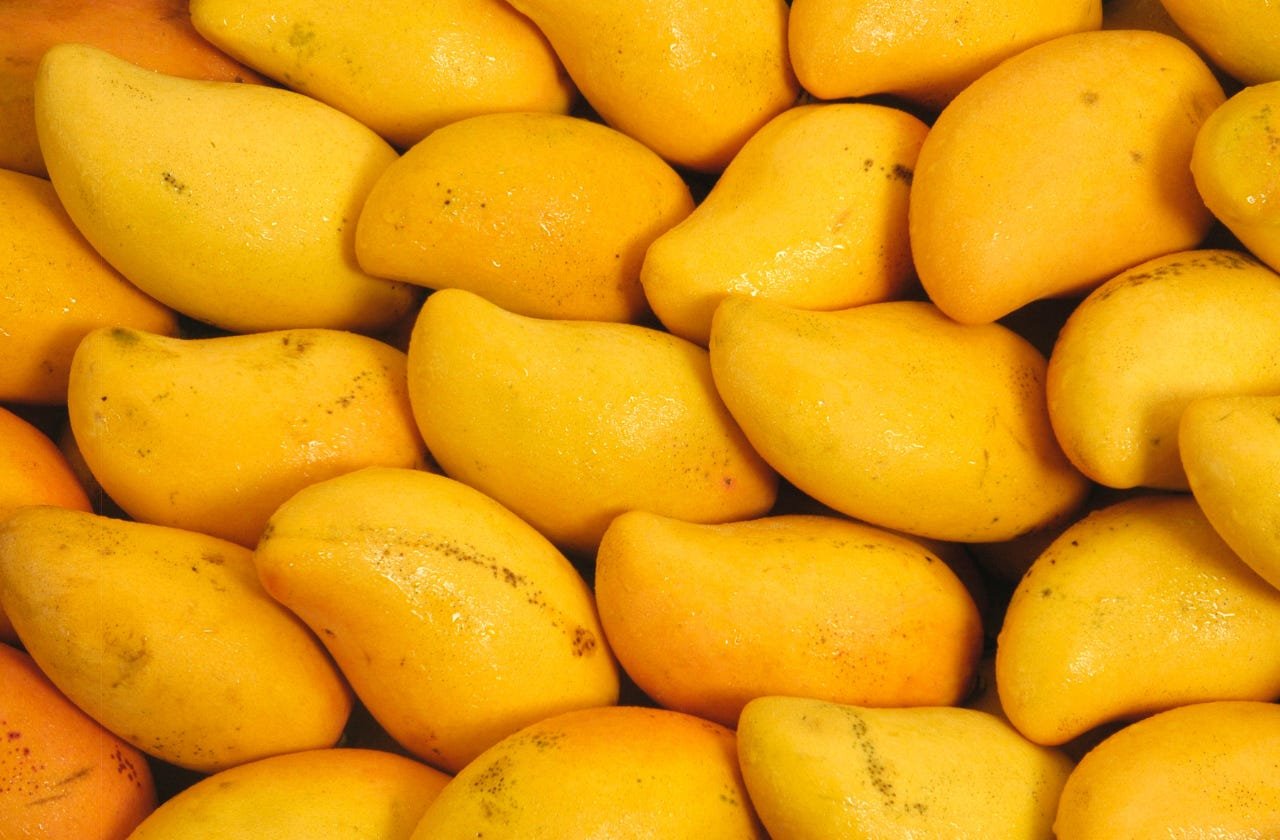

Pakistan’s mango industry is facing a difficult season as export volumes are expected to fall significantly. Trade disruptions linked to tensions across the Middle East have created fresh challenges for exporters. At the same time, rising freight costs and weaker consumer demand are adding pressure.
Although the mango season began in June in Sindh, exporters believe recent diplomatic developments came too late to support this year’s export cycle.
Industry estimates suggest overseas shipments may decline by at least 30 percent this season.
Export Challenges Put Pressure on Mango Industry
Pakistan produces more than two dozen mango varieties each year. The country also ranks among the world’s leading mango exporters and typically earns around $110 million annually through international sales.
However, this season has become increasingly difficult for growers and exporters.
In Tando Allah Yar, where Sindhri mangoes remain a major crop, orchard operators said financial losses have intensified.
Some contractors reportedly walked away despite making advance payments for orchard leases.
Mohammad Shakeel, who manages orchards in the area, described the difficult conditions faced by growers.
“So many losses have been incurred, the contractors have even left their advance money,” Shakeel said.
Conflict Disruptions Affect Major Export Destinations
Exporters say regional instability has disrupted access to Pakistan’s most important mango markets.
According to industry estimates, nearly four-fifths of Pakistan’s mango exports usually go to Gulf countries, Iran, and Afghanistan.
Waheed Ahmed, chief patron of the All Pakistan Fruit and Vegetable Exporter Association, explained the extent of the challenge.
“Almost 80pc of mango export is to the Gulf region, Iran and Afghanistan,” Waheed Ahmed said.
He added that total exports may decline to nearly 80,000 tonnes this season. That figure would represent a drop of around 30,000 tonnes compared with last year.
Ahmed said several factors contributed to this slowdown.
“The border to Afghanistan is closed, there is war in Iran… there is war in the entire Middle East.”
Although recent diplomatic developments created optimism, exporters believe immediate relief remains unlikely.
“The main challenges still remain,” he said.
Freight Costs Rise Sharply During Export Season
Exporters also reported a steep increase in shipping expenses.
Maritime disruptions around the Strait of Hormuz have reportedly pushed transport costs much higher than previous seasons.
According to Ahmed, exporting a standard container now costs several times more.
“The same freight has increased to $6,000 to $7,000 this year.”
Last year, exporters paid approximately $1,400 for similar shipments.
Additionally, trade with Afghanistan remains affected because crossings have remained restricted for extended periods.
As a result, transport delays have further complicated export operations.
Lower Prices Fail to Boost Domestic Demand
While export pressure has increased local supply, domestic demand remains weaker than expected.
In Karachi and other markets, mango prices have fallen compared with last year.
Consumers, however, continue to face financial pressure.
Muhammad Ashad said affordability remains a concern despite lower prices.
“Mangoes are very cheap this time compared to the last few years… because our export has stopped.”
“I am seeing everywhere that there are very good mangoes, but people are still not able to buy them.”
Growers also highlighted the impact of rising living costs.
Shakeel questioned whether households can prioritise seasonal fruit under current conditions.
“In the local market the price is low. But not everyone can afford to buy mangoes. Look at the state of the country: expenses are rising… income is low. Should they buy their bread first or our mangoes?”
Industry Faces Difficult Months Ahead
Pakistan’s mango season remains one of the country’s most important agricultural export periods.
However, this year’s conditions have created unusual pressure across the supply chain.
Export uncertainty, transport challenges, and changing consumer spending patterns continue to shape market expectations.
For growers and exporters, the coming weeks will determine how much of the season’s potential can still be recovered.

