
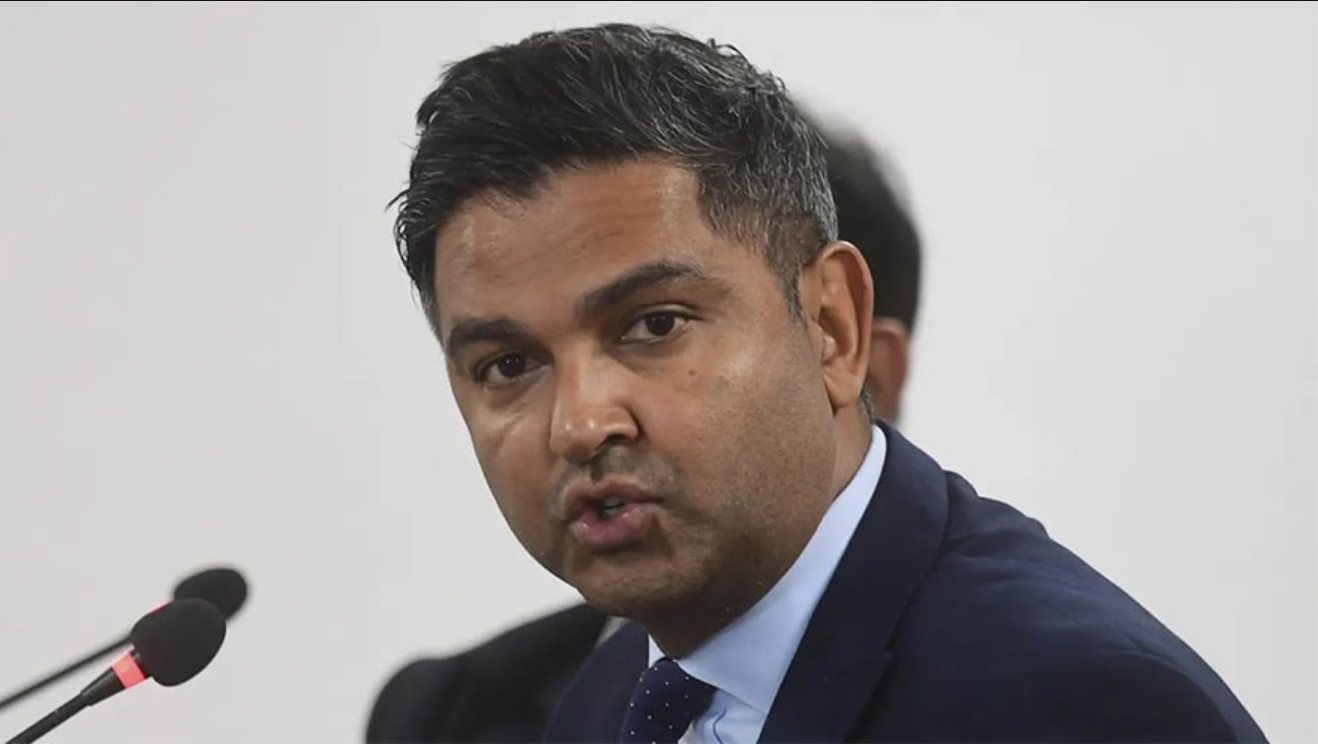

Wasim Khan will step down as General Manager Cricket at the International Cricket Council after completing four years in the role. The decision marks a significant change within the ICC’s leadership structure.
He will officially relinquish his responsibilities at the end of June. After that, he will move on to new professional duties starting in July.
Tenure and Leadership Transition
Wasim Khan assumed the position in May 2022. He succeeded Geoff Allardice in the role. During his tenure, he played an important part in managing cricket operations at the global level.
Before joining the ICC, he served as Chief Executive Officer of the Pakistan Cricket Board. His leadership there helped shape administrative reforms and development strategies.
Career Background and Achievements
Wasim Khan holds a unique place in cricket history. He was the first British-born Pakistani to play county cricket in the United Kingdom. This achievement added to his profile as both a player and administrator.
Moreover, his experience across different cricket systems strengthened his role at the ICC. He brought a blend of international exposure and governance expertise to the organization.
Wider Changes Within the ICC
In recent years, the ICC has seen several senior-level departures. These changes reflect a broader shift in its administrative setup.
Sanjog Gupta has taken over as Chief Executive Officer following Geoff Allardice’s tenure. Meanwhile, Chris Tetley and Alex Marshall have also moved on from their positions.
As a result, Wasim Khan’s departure adds to a period of transition within the global cricket body.
What Lies Ahead
Wasim Khan is set to begin new responsibilities in July. However, details about his next role have not been disclosed yet.
Even so, his exit signals the end of a notable chapter at the ICC. His contributions will likely influence cricket administration for years to come.
Conclusion
Wasim Khan’s resignation highlights ongoing changes within international cricket leadership. His four-year tenure leaves behind a legacy of experience and structural involvement. At the same time, the ICC continues to evolve with new leadership and direction.

