
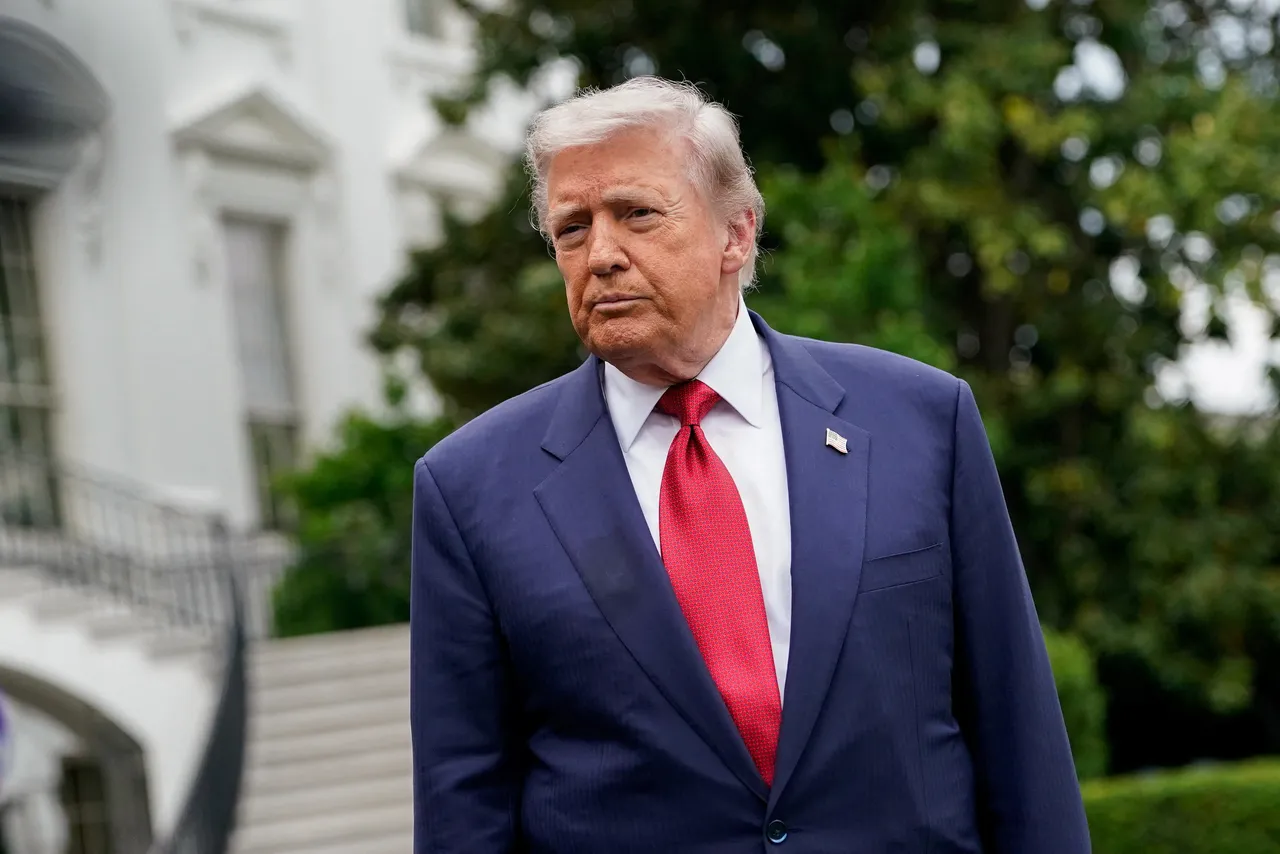

US President Donald Trump has strongly criticized a recent House vote aimed at limiting US military involvement in Iran, arguing that it interferes with ongoing diplomatic efforts and escalates political tensions in Washington. The vote has further intensified the long-standing debate over presidential war powers and Congress’s constitutional authority in matters of war.
Trump Says Vote Disrupts Ongoing Iran Negotiations
Trump expressed his concerns through his Truth Social platform, stating that the timing of the decision undermines sensitive negotiations with Tehran. He argued that political actions in Congress are interfering with diplomatic progress at a critical stage of talks.
He stated, “right in the middle of my final negotiations to end the War with the Islamic Republic of Iran,” Trump said in a post on his Truth Social platform.
He further criticized the lawmakers behind the move and questioned their intent, saying, “Who would do such an unpatriotic thing. They know where the negotiations stand.” His remarks reflect his view that the vote weakens the negotiating position of the United States and creates unnecessary obstacles during an active diplomatic process.
House Approves Measure Amid Divided Vote
The House passed the resolution with a narrow 215-208 vote, highlighting deep political divisions over US military involvement in Iran. Notably, four Republicans joined Democrats in supporting the measure, signaling internal disagreement within Trump’s own political camp.
The resolution now moves to the Senate for further consideration, although it is widely expected to face a presidential veto if it advances further. Despite this, the vote represents a significant symbolic challenge to the administration’s current military approach.
Debate Over War Powers and Constitutional Limits Intensifies
Democrats have raised strong objections, accusing the administration of conducting military strikes without proper congressional authorization. They argue that such actions violate constitutional limits and bypass the legislative branch’s role in approving sustained military engagement.
Under the War Powers Act, presidents are required to obtain congressional approval within 60 days after deploying forces into active hostilities. Critics argue that this deadline has already passed, strengthening their claim that the administration is now acting beyond its legal authority.
Trump Attacks Critics and Party Dissenters
Trump also directed criticism toward lawmakers within his own party who supported the resolution, accusing them of prioritizing political visibility over national interests. He described them as disruptive to the broader strategic direction of his administration.
He stated, “The four Republicans, that’s a whole other story — They’re Grandstanders! They should be ashamed of themselves.” His comments underline growing friction within Republican ranks over foreign policy and military decision-making.
He also criticized Democrats for opposing his administration’s approach, saying, “(Democrats) would rather have our Country fail than give me another, of many, victories,” he said. His remarks reflect the escalating partisan divide surrounding US involvement in Iran.
Rising Political Tension Over US Military Authority
The House vote has intensified an already heated debate in Washington over the balance of power between Congress and the presidency in matters of war. While lawmakers continue to challenge the administration’s authority, the White House maintains that its actions are necessary for ongoing diplomatic and security objectives.
As the resolution moves forward in Congress, the dispute is expected to deepen further, with both sides firmly holding their positions on constitutional interpretation and foreign policy direction.

