
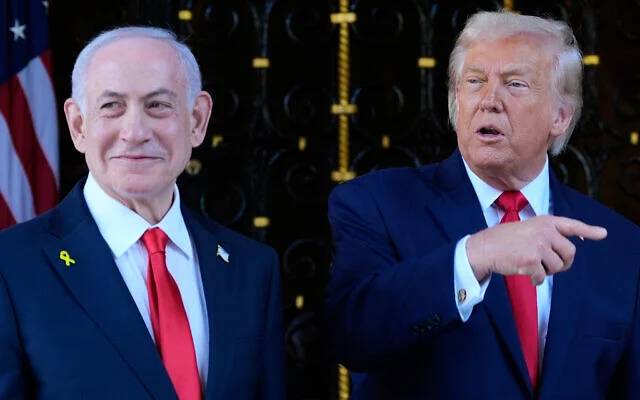

Israeli Prime Minister Benjamin Netanyahu is facing growing political and strategic challenges as differences with US President Donald Trump become more visible. While both leaders have coordinated closely on Iran, recent disagreements over Lebanon have raised questions about whether their priorities remain fully aligned.
The dispute comes at a sensitive time for Netanyahu, who is preparing for a national election expected by October. At the same time, he continues to face pressure over regional security issues and the broader direction of Israel’s military strategy.
Lebanon Dispute Highlights Differences Between Allies
Recent tensions emerged after Netanyahu signaled support for major military action against Hezbollah targets in Beirut. However, Trump reportedly opposed the move, fearing it could destabilize the region and undermine diplomatic efforts with Iran.
The disagreement highlighted an important reality. Although the United States and Israel remain close allies, their objectives may not always match perfectly. Consequently, concerns have grown among some of Netanyahu’s supporters about the future direction of the partnership.
Netanyahu himself acknowledged uncertainty about the situation. He said it remained an “open question” whether he and Trump were fully aligned on how the conflict with Iran should ultimately end.
Election-Year Pressure Continues to Mount
With elections expected within months, Netanyahu faces increasing scrutiny at home. Critics argue that several major objectives remain unfulfilled despite months of regional conflict.
He has repeatedly pledged to eliminate Hamas as a military threat. In addition, discussions about broader changes in Iran have yet to produce concrete results. Meanwhile, Hezbollah attacks continue to create security concerns in northern Israel.
Each new missile or drone alert generates fresh political pressure. As a result, demands for a stronger military response continue to grow among parts of the Israeli public and political establishment.
Trump’s Influence Becomes Increasingly Visible
Reports of a tense conversation between Trump and Netanyahu quickly sparked political debate in Israel. Opposition figures and even some government allies questioned whether Israel was becoming too dependent on Washington’s approval for military decisions.
According to reports, Trump strongly opposed plans for expanded strikes in Beirut. The concern centered on the potential impact such actions could have on ongoing negotiations involving Iran.
One source described the conversation by saying, “It was a terrible phone call. Trump really hammered Bibi. He demanded that he immediately back down from the plan to strike Beirut in order to not blow up the situation in Lebanon — and through that, the negotiations with Iran.”
Although the reported exchange attracted significant attention, neither leader suggested that their broader relationship was in danger.
Leaders Seek to Downplay Signs of a Rift
Netanyahu emphasized that disagreements between allies are not unusual. He noted that he and Trump have argued before while continuing to maintain a close working relationship.
Trump also signaled that cooperation remains strong despite differences over specific issues. Therefore, both leaders have attempted to prevent speculation about a deeper breakdown in ties.
Nevertheless, analysts believe disagreements over Iran may prove more difficult to resolve than temporary disputes over military operations.
Different Visions for the Iran Endgame
The most significant challenge appears to involve differing views on the future of the conflict with Iran. According to reports, some US officials believe Trump is focused on ending the war and pursuing a diplomatic solution.
At the same time, concerns remain in Washington that Netanyahu may favor a more aggressive approach if conditions allow.
One US official reportedly summarized the concern by stating, “Sometimes Bibi doesn’t know when to stop.”
These differences have fueled debate about how much influence the United States may exert over future Israeli military decisions.
Concerns Over Future Military Restrictions
Sources familiar with Netanyahu’s thinking suggest he worries that Washington could impose stricter conditions on future operations in Lebanon. Such restrictions could extend beyond Beirut and affect broader military planning.
As a result, Israeli officials are closely watching diplomatic developments between the United States, Lebanon, and Iran.
The concern is not only military. It is also political. Any perception that Netanyahu lacks freedom to act independently could become a significant issue during an election campaign.
Ceasefire Efforts Could Shape Next Phase
Diplomatic efforts continue alongside military tensions. Following discussions between Israeli and Lebanese officials in Washington, both sides announced plans for a potential ceasefire linked to actions by Hezbollah.
However, uncertainty remains over whether Hezbollah will accept the proposed framework. Consequently, the security situation remains fluid.
If the ceasefire fails and attacks continue, Netanyahu could once again seek approval for stronger military action. Whether Trump would support such a move remains unclear.
Political and Strategic Stakes Remain High
The coming months could prove decisive for Netanyahu’s political future. He faces pressure from voters demanding stronger security measures while also managing a complex relationship with Israel’s most important ally.
At the same time, Trump continues to pursue diplomatic efforts aimed at reducing regional tensions and advancing a possible agreement with Iran.
Balancing those competing priorities will not be easy. As election season approaches, Netanyahu must navigate domestic political pressures without creating an open confrontation with Trump. For now, both leaders remain partners, but their differences are becoming increasingly difficult to ignore.

