
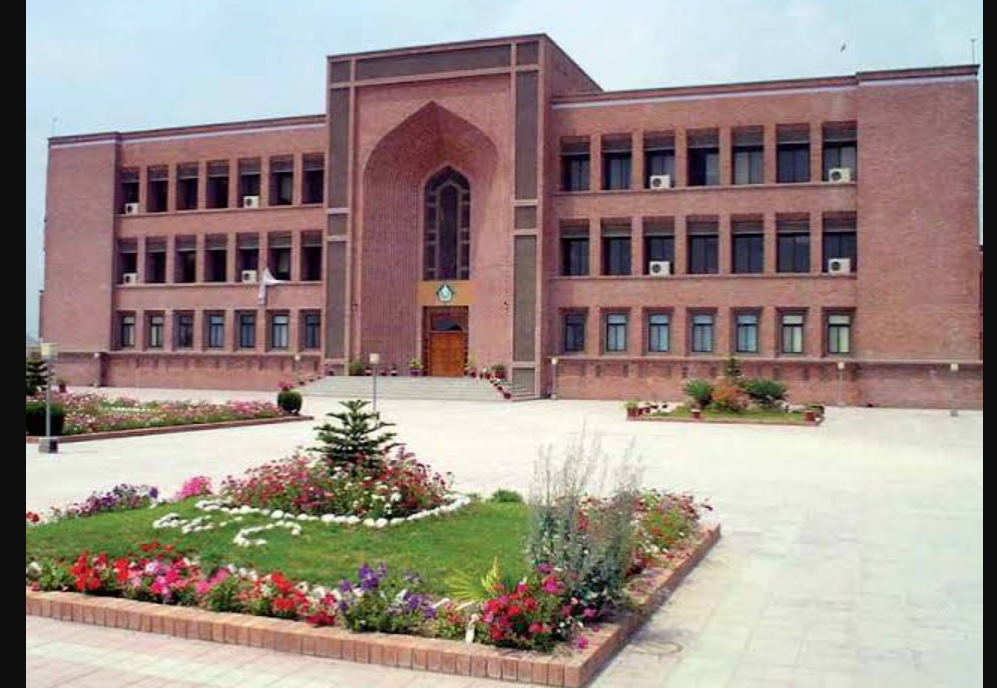

The appointments of three vice-presidents at the International Islamic University Islamabad (IIU) have been challenged in the Islamabad High Court.
A citizen, Javed Akhtar, filed a petition challenging the appointments of the university’s three vice-presidents.
The case concerns appointments in the Research and Enterprise, Administration and Finance, and Academics departments.
The Islamabad High Court has now sought a detailed response from the university.
IHC Seeks Detailed Reply From IIU
Justice Ayaz Shoukat heard the case on Monday and issued notices to the International Islamic University. The court directed the university to submit a detailed reply within two weeks.
Following the court’s direction, the hearing was adjourned. The case will now proceed after the university submits its response to the court.
Why Were the Appointments Challenged?
Lawyer Aakash Atara argued that the university failed to follow a transparent procedure for appointing the vice-presidents.
He told the court that the Islamabad High Court had previously directed IIU to adopt a transparent method for such appointments. However, he argued that the university did not follow the required process.
According to the lawyer, the university should appoint a competent person through an open-merit policy. Instead, he alleged that the university management appointed faculty members through its own procedure.
The petition therefore raises questions about the process used for selecting the three vice-presidents.
Three Vice-Presidents Named in the Case
The appointments under challenge relate to three important areas of the university. These include Research and Enterprise, Administration and Finance, and Academics.
The petition challenges the appointments across all three departments. The court has now asked the university to explain its position regarding the appointments.
However, no final decision has been issued on the legality of the appointments.
Justice Ayaz Shoukat Raises Key Question
During the hearing, Justice Ayaz Shoukat also raised a question about the authority of the university’s Board of Governors.
Justice Shoukat Ayaz asked to ensure “whether the Board of Governors assigned their authority to a committee or not
The question focuses on whether the Board of Governors delegated its authority to a committee during the appointment process. The court’s query could therefore be relevant to how the appointments were made.
IIU has now been given two weeks to provide its detailed response.
What Happens Next?
The Islamabad High Court has adjourned the hearing after directing IIU to submit its reply. The university’s response will address the allegations raised against the appointment process.
Meanwhile, the court will consider the matter further after receiving the detailed reply. For now, the appointments remain under judicial scrutiny.
The case has brought renewed attention to the process used for appointing senior officials at the International Islamic University.
The next hearing will provide further clarity on the university’s appointment procedure and the concerns raised before the court.

