
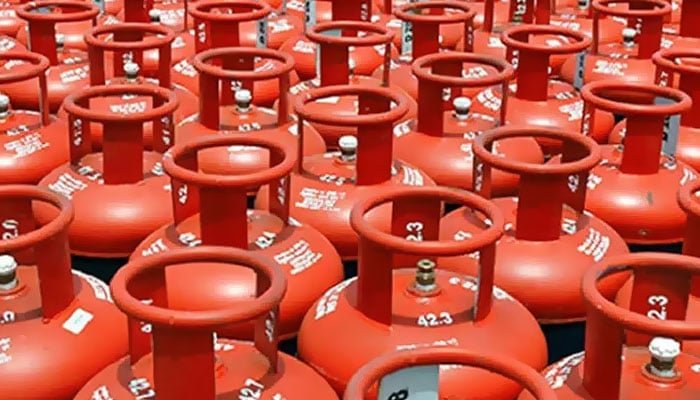

Pakistan is preparing to auction most of its locally produced liquefied petroleum gas (LPG) under a new government allocation system. The Petroleum Ministry announced that 90% of indigenous LPG production will go through competitive bidding. The move aims to improve transparency, encourage fair competition and address concerns over fuel availability and pricing.
The remaining 10% will go to state-owned LPG marketing companies serving areas with limited access to fuel. Moreover, the government expects the new mechanism to improve distribution and provide consumers with better access to locally produced LPG.
Government Activates New LPG Auction Framework
The LPG committee held its first meeting under the newly approved deregulated framework. Secretary Petroleum chaired the meeting, while Federal Minister for Petroleum Ali Pervaiz Malik highlighted the importance of addressing consumer concerns.
The meeting marked a key step towards implementing the auction mechanism. The Federal Cabinet approved the framework on November 4, 2026.
Under the new arrangement, the committee will supervise auctions of indigenous LPG and review existing supply arrangements. It will also periodically assess pricing structures and bidding procedures to maintain transparency.
How Pakistan’s New LPG Allocation System Will Work
The government has divided indigenous LPG production into two allocation categories.
Under the approved mechanism:
- 90% of production: Producers will offer this share through transparent auctions with media presence.
- 10% of production: State-owned LPG marketing companies will receive this portion to supply hard-to-reach areas.
Additionally, the committee has introduced a daily allocation limit for participating companies. Each company will receive a maximum allocation of 20 metric tonnes per day through the auction process.
This limit aims to provide eligible bidders with fair opportunities rather than allowing a few companies to dominate the available supply.
The committee also decided to monitor daily LPG production closely. Officials will present production figures to the Prime Minister to strengthen oversight of the country’s supply situation.
Petroleum Minister Highlights Consumer Relief
Federal Minister Ali Pervaiz Malik said the initiative focuses on public interest, particularly consumers struggling to find affordable LPG.
He emphasised that the new auction system would help create a more resilient supply chain. Furthermore, the mechanism aims to strengthen energy infrastructure and improve the distribution of locally produced LPG.
The minister also highlighted the importance of protecting vulnerable consumers while ensuring equitable access to indigenous fuel.
He added that the government wants to establish a level playing field for participating companies. Consequently, transparent bidding will provide eligible businesses with fair opportunities while supporting improved consumer access.
Who Will Oversee the LPG Auction Process?
The government has established a dedicated committee under the leadership of the Secretary Petroleum. Several senior officials from regulatory bodies and energy companies will participate in its work.
The committee includes:
- Secretary Petroleum as committee chairman.
- Chairman of the Oil and Gas Regulatory Authority (OGRA).
- Managing Director of Oil and Gas Development Company Limited (OGDCL).
- Managing Director of Pakistan State Oil (PSO).
- President of United Energy Pakistan Limited (UEP).
- Director General (Liquefied Gases).
These members will oversee the auction process, review supply arrangements and assess the effectiveness of the allocation mechanism.
What the New LPG Policy Means for Pakistan
The new allocation framework introduces a competitive approach to distributing locally produced LPG. By auctioning 90% of indigenous production, the government aims to make allocations more transparent and accessible to eligible companies.
Meanwhile, reserving 10% for state-owned marketing companies will maintain supplies for hard-to-reach areas.
Regular production monitoring and oversight by the Prime Minister will also help authorities track supply conditions. However, the policy’s impact on consumer prices and LPG availability will depend on how effectively the new mechanism operates.
The government says its priority remains fair competition, improved distribution and affordable fuel access for consumers.
For the latest updates, visit and follow The Truth International website (www.thetruthinternational.com) and subscribe to the YouTube Channel.

