
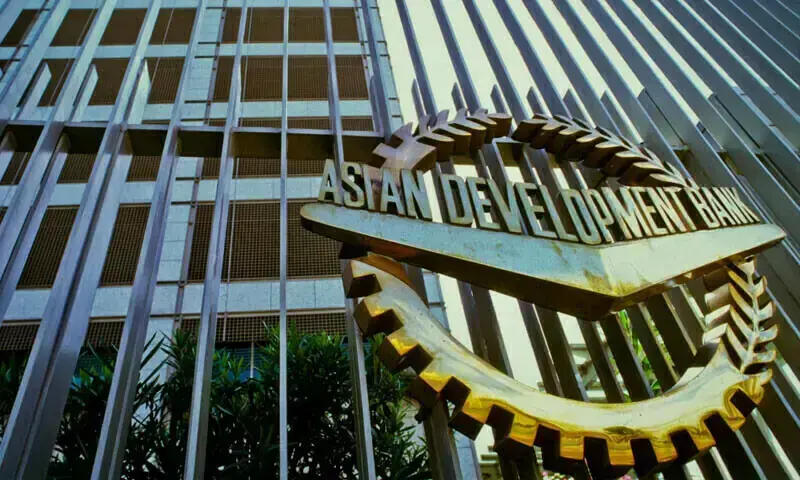

he Asian Development Bank has announced an additional $200 million loan to modernize Pakistan’s revenue administration and improve tax collection.
The financing comes as Pakistan seeks to strengthen domestic resource mobilization and build a more efficient tax system.
At the same time, the ADB has urged Pakistan to broaden its narrow tax base and improve tax compliance.
The proposed financing will support the Federal Board of Revenue’s transformation agenda through technology, data and institutional reforms.
ADB Plans $200 Million Revenue Administration Project
ADB Vice President for South, Central and West Asia Yingming Yang said the project is expected to go before the bank’s board this year.
The initiative is called the Transforming and Digitalising Revenue Administration Project.
It will focus on modernizing Pakistan’s revenue administration through stronger digital infrastructure and updated tax systems.
The project will also support modern customs systems and advanced data analytics.
Furthermore, it will introduce artificial intelligence-based compliance tools to strengthen the country’s revenue collection system.
The initiative will also focus on cybersecurity and institutional development.
These measures are intended to support a more modern and technology-driven revenue system.
The broader goal is to make revenue administration more efficient while improving the experience of taxpayers.
Pakistan’s Tax System Faces Major Challenges
Speaking at a Dialogue on Tax and Fiscal Sustainability in Pakistan on Thursday, Yang highlighted the country’s recent economic progress.
He said Pakistan had made significant progress in restoring macroeconomic stability and strengthening economic resilience.
However, he stressed that the next phase of reforms would require more efficient and fair domestic resource mobilization.
Pakistan continues to face challenges linked to its narrow tax base, widespread informality and low compliance.
Therefore, improving tax compliance remains an important part of the country’s revenue reform agenda.
A broader tax base could also help strengthen domestic revenue generation.
Meanwhile, reducing informality remains another major challenge for the country’s tax administration.
The ADB has highlighted these issues while supporting efforts to improve tax policy and public financial management.
FBR Transformation Plan to Support Revenue Reforms
According to Yang, Pakistan’s tax reform agenda is gaining momentum.
The Prime Minister’s FBR Transformation Plan and the new tax operating model are providing a foundation for reform.
The proposed approach aims to create a more modern revenue system driven by technology. It also places greater focus on taxpayers and improved administration.
In addition, the system is expected to make better use of integrated data. This could help the FBR identify compliance risks more effectively.
The use of advanced data and artificial intelligence-based tools could also support more targeted compliance measures.
As a result, the revenue administration could gradually move towards a more risk-based approach.
Such an approach could help improve revenue collection while reducing unnecessary discretionary interventions.
Technology at the Centre of Revenue Modernization
Digital transformation is a central part of the proposed ADB-supported project. The initiative will invest in digital infrastructure alongside modern tax and customs systems.
It will also promote advanced data analytics and artificial intelligence-based compliance tools.
These technologies are expected to strengthen the ability of revenue authorities to use available information more effectively.
At the same time, stronger cybersecurity will form part of the modernization effort. Institutional development will also remain an important component of the project.
Together, these measures aim to create a more integrated and technology-driven revenue administration. The focus, therefore, is not limited to increasing collections.
Instead, the reform agenda also seeks to improve tax administration and taxpayer services.
ADB Highlights Need for Better Tax Compliance
Yang said successful implementation of the reforms could improve tax compliance and taxpayer services. It could also strengthen the use of integrated data across the revenue system.
Furthermore, a more risk-based approach could help the FBR improve revenue collection. This approach could reduce discretionary interventions within revenue administration.
For taxpayers, a more modern system could also mean more efficient services and lower compliance difficulties. However, the success of the reforms will depend on effective implementation.
The ADB has therefore emphasized the need for continued progress in Pakistan’s revenue reform agenda.
Stronger Domestic Revenue Could Reduce Financial Pressure
Yang also emphasized that stronger domestic revenue should not be viewed only as a fiscal target. Higher revenue collections could provide the government with greater room to invest in people, infrastructure and public services. At the same time, stronger domestic resources could contribute to greater economic resilience. They could also help reduce reliance on debt and external financing. This makes revenue administration an important part of Pakistan’s broader economic reform efforts.
However, achieving stronger collections will require improvements in both tax policy and compliance. The ADB has consequently emphasized a broader approach to revenue reform. This includes expanding the tax base, improving tax policy and strengthening public financial management.
Tax Policy Office Welcomed
Yang also welcomed the Tax Policy Office as part of Pakistan’s tax reform efforts. He said the office could support evidence-based policymaking and contribute to a fairer tax system. It could also help reduce exemptions and lower compliance costs.
A stronger policy framework could therefore support efforts to make the tax system more effective. At the same time, reducing unnecessary exemptions could contribute to a broader revenue base.
The emphasis on evidence-based policymaking also reflects the broader push towards a modern tax administration.
What the $200 Million Project Means for Pakistan
The additional $200 million ADB loan places Pakistan’s revenue administration at the centre of another major reform effort.
The proposed project combines digital infrastructure, modern tax systems, data analytics and artificial intelligence-based compliance tools. It also includes cybersecurity and institutional development.
Meanwhile, the ADB continues to highlight Pakistan’s narrow tax base, widespread informality and low compliance.
These challenges remain closely linked to the country’s ability to mobilize domestic resources.
The proposed reforms therefore seek to address revenue collection while improving the wider tax administration system.
If implemented successfully, the initiative could help Pakistan move towards a more technology-driven and taxpayer-focused revenue system. For now, the project is expected to be considered by the ADB board this year.
Its proposed focus reflects a broader effort to make Pakistan’s revenue administration more efficient, integrated and responsive.

