
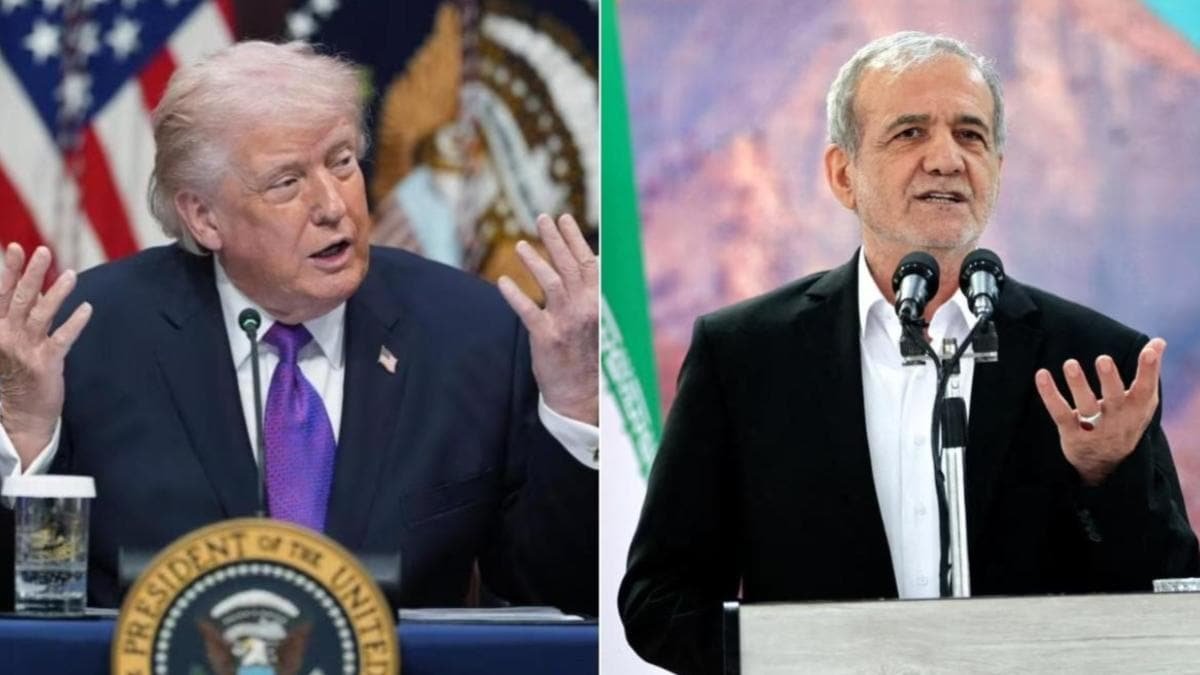

Tensions between the United States and Iran have intensified. At the same time, fresh signals suggest that diplomatic talks could resume soon. The situation remains volatile, with military actions and political messaging unfolding simultaneously.
Donald Trump today indicated that peace talks with Iran may take place as early as Friday. He described the possibility as real but uncertain. This statement has raised hopes for renewed diplomacy after weeks of escalating conflict.
Fresh Hopes for Peace Talks
Reports suggest that mediation efforts are ongoing. Sources indicate that backchannel discussions may lead to formal negotiations within days. These talks could potentially take place in Islamabad.
Meanwhile, Iran has hinted at conditional participation. Amir Saeid Iravani stated that Tehran has received signals that Washington may consider easing restrictions. However, Iran has made it clear that lifting the naval blockade remains a key condition.
Strait of Hormuz Becomes Flashpoint
The Strait of Hormuz has once again become a center of conflict. Iranian naval forces intercepted multiple vessels in the region. Two ships were seized, while another reportedly came under fire.
According to the Islamic Revolutionary Guard Corps, the vessels violated maritime regulations. Authorities directed the ships toward Iranian waters. However, details about the crew and cargo remain unclear.
In addition, the United Kingdom Maritime Trade Operations reported that a container ship was fired upon near Oman. These developments have raised concerns about global shipping security.
Blockade Fuels Escalation
The United States imposed a naval blockade on Iranian ports earlier this month. This move came shortly after a temporary ceasefire in the ongoing conflict. However, the blockade has increased tensions rather than easing them.
Iran has described the blockade as an act of aggression. Officials argue that it violates international law and undermines peace efforts. As a result, Tehran has linked any future negotiations to the removal of these restrictions.
On the other hand, Trump has taken a firm stance. He warned that lifting the blockade could weaken the US position in negotiations. This difference in approach has created a major obstacle to progress.
Diplomatic Divide Widens
Iranian Foreign Minister Abbas Araghchi criticized global powers for their silence. He accused Western nations of failing to condemn recent military actions.
During a call with Antonio Tajani, Araghchi stressed the importance of international law. He warned that continued inaction could damage global stability.
Furthermore, Iranian officials have questioned the value of the ceasefire extension. Some believe it lacks credibility without concrete steps toward resolving the conflict.
Economic Pressure and Oil Concerns
The crisis is also affecting global energy markets. The United States continues to apply economic pressure on Iran. Sanctions target key revenue sources, including oil exports.
Scott Bessent warned that Iran’s oil storage facilities may soon reach capacity. This could force production cuts, further impacting the economy.
He also emphasized strict enforcement of sanctions. Any attempts to bypass restrictions may result in penalties.
Uncertain Path Forward
The situation remains highly unpredictable. Military actions continue alongside diplomatic signals. Both sides are maintaining firm positions.
While the possibility of talks offers hope, major disagreements persist. The blockade remains the central issue. Until it is resolved, progress may remain limited.
Global observers are closely watching developments. The outcome could shape regional stability and international trade for months to come.

