
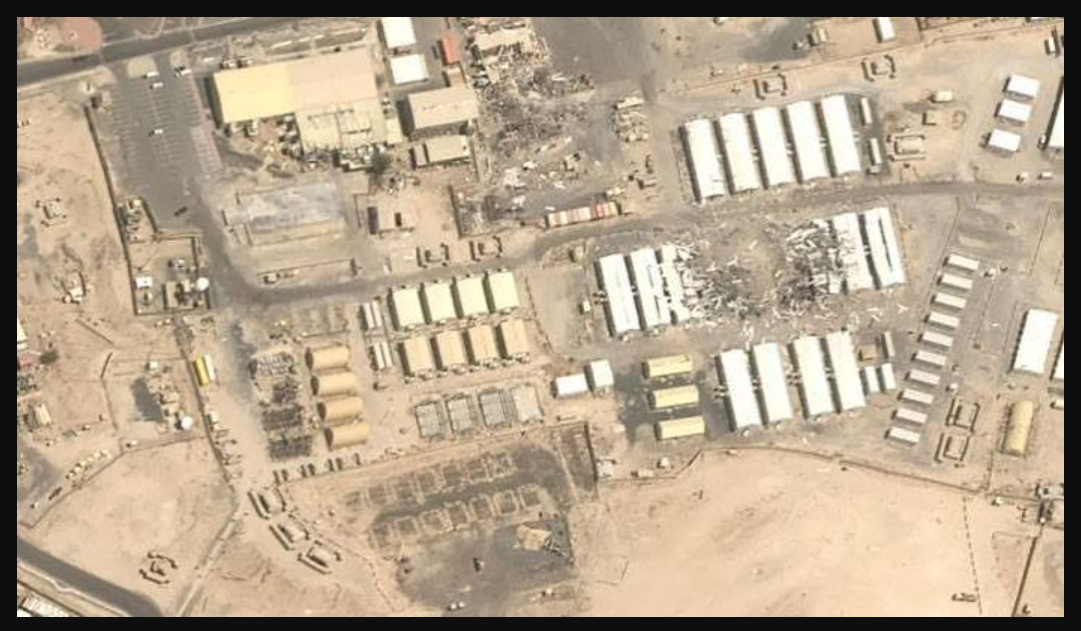

Iranian missile and drone strikes have inflicted extensive damage on American military facilities across the Middle East. Newly analysed satellite images reveal the scale of destruction, raising questions about the vulnerability of US military infrastructure.
More than 115 Iranian missile and drone attacks damaged or destroyed facilities at 26 American military bases and other locations. The attacks occurred between the outbreak of the war in late February and August, according to an investigation.
The findings emerged from satellite imagery analysis and interviews with four regional officials familiar with the damage. Together, the evidence offers a clearer picture of the conflict’s impact on American military assets.
How Iranian Attacks Damaged US Military Bases
The investigation found that Iranian forces initially targeted American air defence systems and radar installations. Subsequently, attacks expanded to military aircraft, hangars, warehouses and other buildings.
The strikes caused billions of dollars in damage to American military equipment and infrastructure. Moreover, the attacks affected installations across several countries, demonstrating the geographical reach of the campaign.
Kuwait experienced the most frequent attacks on US military sites. However, American facilities in Bahrain, Iraq, Jordan, Oman, Qatar, Saudi Arabia and the United Arab Emirates also came under fire.
Kuwait Bases Suffer Extensive Destruction
Ali Al Salem Air Base in Kuwait faced at least 30 attacks during the conflict. Satellite imagery showed damage to or destruction of at least 15 aircraft hangars, several warehouses and 10 buildings.
The affected buildings stood near a residential area, highlighting the proximity of damaged infrastructure to surrounding communities.
Camp Buehring, another American military installation in Kuwait, also sustained substantial damage. Most of its aircraft hangars became unusable following the attacks.
Meanwhile, Port Shuaiba witnessed the deadliest known attack on American troops during the conflict. An Iranian drone strike killed six US soldiers there on March 1.
Radar Systems and Surveillance Aircraft Among Targets
Iranian attacks also struck protective structures surrounding American radar systems during the war’s opening days. These included installations at Camp Arifjan in Kuwait and the Naval Support Activity site in Bahrain.
Additionally, Iranian forces targeted mobile radar systems at Saudi Arabia’s Prince Sultan Air Base. Jordan’s Muwaffaq Salti Air Base also faced attacks on its radar capabilities.
Radar installations in Jordan and Qatar suffered further strikes. These attacks placed important surveillance and air defence infrastructure under pressure across the region.
At Prince Sultan Air Base, a March attack destroyed the rear section of a Boeing E-3 Sentry surveillance aircraft.
Military Equipment and Aircraft Face Growing Risks
The investigation identified more than 50 successful Iranian attacks on 18 locations holding American military equipment during the war’s first month. Facilities containing military aircraft ranked among the major targets.
An October update from the Congressional Research Service also reported damage to 15 American aircraft at US military bases across the Middle East.
Al Dhafra Air Base, approximately 20 miles south of Abu Dhabi, faced repeated attacks during the conflict’s early days.
These incidents illustrate how drones and missiles can threaten equipment concentrated at major military installations, including aircraft and supporting infrastructure.
US Relocates Military Assets Across the Region
The attacks have also influenced America’s military posture in the Middle East. Two regional officials said Washington relocated numerous military assets to other locations.
The movement reportedly included aircraft, air defence systems, communications equipment and supplies. These resources help maintain the operational capacity of American bases.
Defence expert Raphael Cohen said modern warfare has exposed military forces worldwide to large-scale, low-cost drone attacks. He added that the situation should serve as a warning for the United States.
Consequently, the damage could shape future decisions about protecting military installations and positioning equipment across the region.
Could the Damage Change America’s Military Presence?
The investigation warned that renewed fighting could produce even greater financial losses for American military facilities. It also raised questions about Washington’s plans to restore damaged bases and equipment.
The United States may face difficult decisions about which installations and capabilities require reconstruction. However, the report did not establish whether Washington would rebuild every affected facility.
Meanwhile, public access to satellite evidence has faced restrictions. Major satellite companies working with the US delayed or limited image releases following requests from American officials.
Officials cited national security concerns when seeking those restrictions. As a result, publicly available imagery may not reveal the full extent of the damage.
The findings underline the potential costs of sustaining military infrastructure during prolonged conflict, particularly as drone warfare reshapes battlefield risks.
For the latest updates, visit and follow The Truth International website (www.thetruthinternational.com) and subscribe to the YouTube Channel.

