

Iran Suspends Commitments Under Islamabad Memorandum
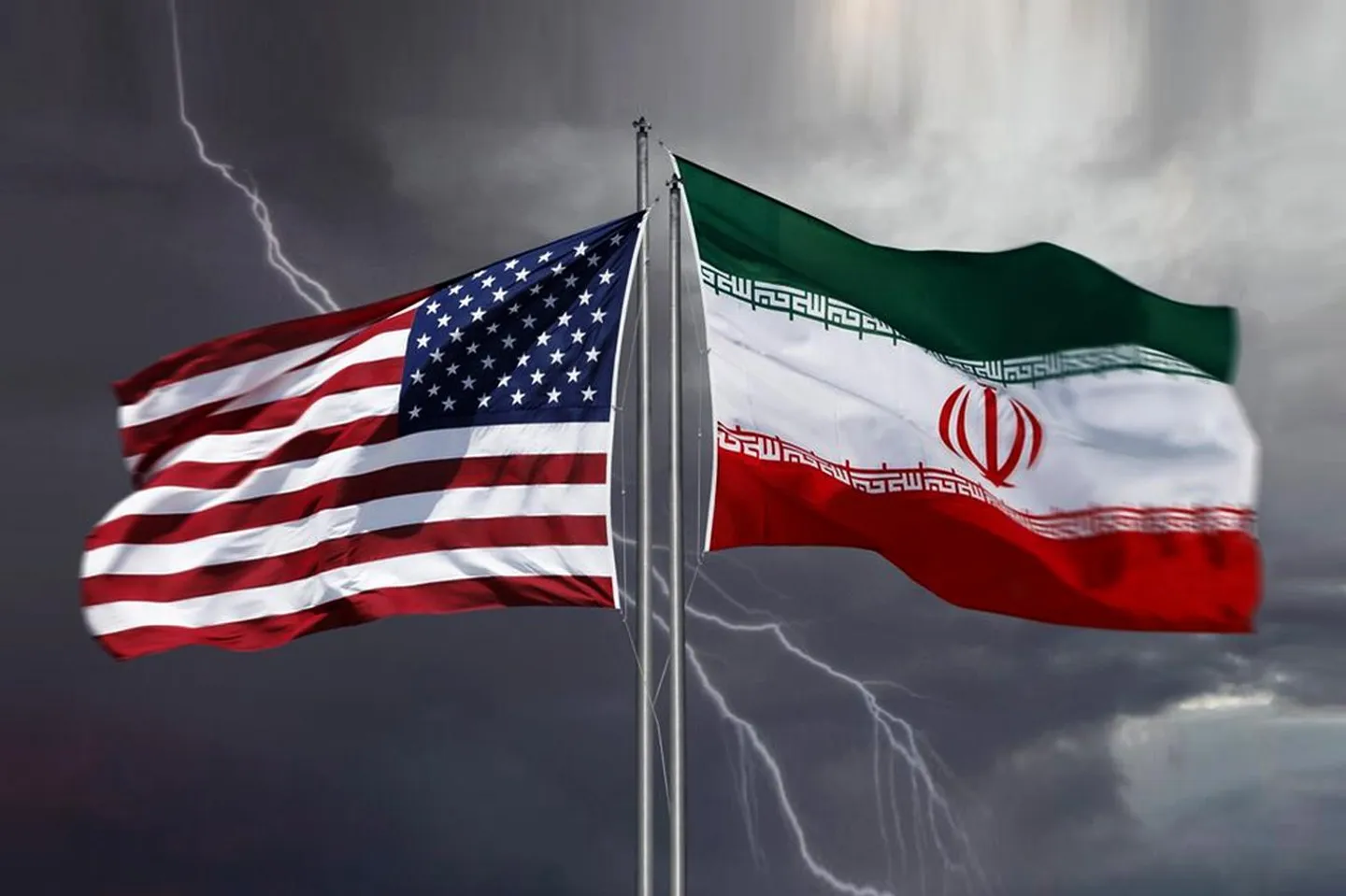
The conflict between the United States and Iran has intensified after Tehran announced that it had suspended its commitments under the Islamabad Memorandum of Understanding.
Iranian Deputy Foreign Minister for Legal Affairs Kazem Gharibabadi said Tehran was no longer implementing its obligations under the agreement. He accused Washington of violating and abandoning its own commitments.
Gharibabadi said Iran was now focused on defending the country as American military operations continued for a seventh consecutive night.
The Islamabad Memorandum was reached in June 2026 with Pakistan’s mediation. It was designed to halt military operations, reopen the Strait of Hormuz and create a temporary framework for further negotiations.
The agreement required Iran to ensure the safe passage of commercial vessels through the strait. The United States was expected to end its naval blockade on Iranian ports under the same framework.
The renewed fighting has severely weakened the agreement. Both sides now accuse each other of violating its conditions.
Pakistan has previously urged Washington and Tehran to respect the memorandum, describing it as an important foundation for regional stability and diplomacy.
Strait of Hormuz Crisis Deepens as Iran Claims Ships Stopped
Iran’s Islamic Revolutionary Guard Corps said it had stopped four ships attempting to travel through the Strait of Hormuz with alleged American military support.
The Guards claimed the vessels were halted through a combined missile and drone operation. They did not immediately identify the ships or provide independent evidence supporting the announcement.
The IRGC also claimed that two oil tankers exploded after entering a minefield south of the strategic waterway. US Central Command rejected the statement and described it as false.
Iran has warned commercial vessels against using southern shipping corridors protected by the United States. It has urged ships to travel through routes closer to the Iranian coastline.
The Strait of Hormuz is one of the world’s most important energy routes. A major portion of global oil and liquefied natural gas supplies passes through the narrow waterway.
Any extended disruption could increase shipping insurance costs, delay energy deliveries and push international oil prices higher.
The United States has responded by restoring a naval blockade against Iranian ports and conducting repeated strikes on Iran’s maritime surveillance and military infrastructure.
US Central Command said its latest attacks targeted surveillance locations, military logistics facilities, underground weapons storage sites and maritime capabilities.
Iranian officials said American strikes damaged civilian infrastructure and disrupted essential services. In Hormozgan province, attacks reportedly knocked 116 telecommunications towers out of service, affecting mobile, internet and fixed-line connections.
A security official in Khuzestan province claimed that the United States had targeted at least 95 locations across 12 counties during the previous ten days. Iranian authorities reported civilian deaths, although all battlefield claims could not be independently verified.
Iran Targets Kuwait, Jordan and Bahrain
Iranian forces also announced attacks on American-linked military sites in Kuwait, Jordan and Bahrain.
Iran’s army claimed it targeted ammunition storage facilities, communications infrastructure and buildings at Kuwait’s Al-Adiri camp and Ali Al-Salem Air Base.
Kuwait said its air-defence systems intercepted hostile targets. However, the country also reported damage to civilian and strategic infrastructure.
Kuwaiti authorities said another electricity and water desalination plant was struck, causing a fire and forcing several power-generation units out of service.
The attack came one day after another power and water facility was hit. Kuwait also reported damage to an oil installation.
The Kuwaiti Foreign Ministry accused Iran of repeatedly targeting civilian sites and vital infrastructure. It warned that such attacks threatened the lives and safety of civilians.
Kuwait’s emergency services said firefighters and at least one worker were injured while responding to fires caused by the attacks.
Jordan’s military said its air-defence systems intercepted and destroyed 10 Iranian missiles that entered the country’s airspace. It reported no casualties or material damage from those interceptions.
Iran claimed it had targeted fuel storage facilities at Jordan’s Al-Azraq Air Base. The United States later reported fatalities among its personnel following Iranian attacks on an American base in Jordan.
In Bahrain, Iran said drones targeted aircraft shelters, parking areas, fuel storage tanks and connecting bridges at Sheikh Isa Air Base.
Bahrain’s military said its defences intercepted a wave of Iranian aerial attacks. Air raid sirens sounded as explosions were heard around the capital.
Tehran Threatens Full-Scale Offensive Operations
Major General Mohsen Rezaei, a senior military adviser to Iran’s leadership, warned that Tehran could resume full-scale offensive operations if American strikes continued.
He said Iran might abandon limited retaliatory attacks and expand its military response across the region.
The warning raised concerns that additional Gulf countries hosting American forces could become involved in the conflict.
Iran has already claimed strikes against US-linked facilities in Kuwait, Bahrain, Jordan, Qatar and Oman. Some of those claims have been confirmed only partially, while others remain disputed.
The United Nations has condemned attacks on civilian infrastructure throughout the region. UN officials have warned that strikes on water, power, transport and communications systems could produce severe humanitarian consequences.
The escalation has placed civilians, energy facilities and international shipping at growing risk. It has also pushed the Islamabad diplomatic framework close to collapse.
Although regional governments continue to support negotiations, repeated strikes and retaliatory threats have made an immediate return to diplomacy increasingly difficult.

