
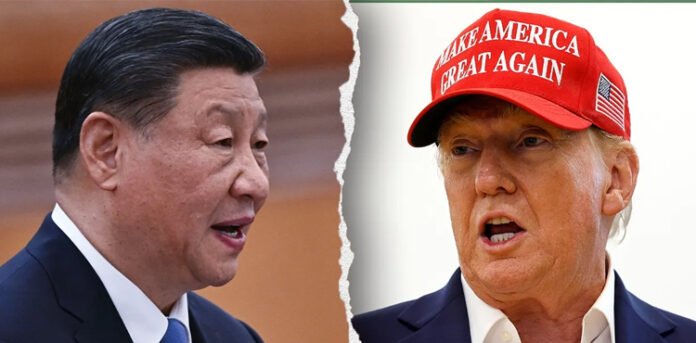

A fresh dispute has erupted between the United States and China over proposed sanctions linked to Iran. Beijing has strongly criticized Washington’s warning to impose penalties on Chinese banks. Officials called the move unlawful and lacking global legitimacy.
The disagreement highlights growing friction between major powers. It also raises concerns about global trade stability and energy security. The issue centers on oil transactions involving Iran and financial flows through Chinese institutions.
China Slams “Illegal” Sanctions Without UN Approval
China has firmly opposed the US position. Foreign Ministry spokesperson Guo Jiakun stated that unilateral sanctions violate international norms. He stressed that such actions require approval from the United Nations Security Council.
Beijing views the threat as political pressure. Officials argue it undermines global economic cooperation. China has repeatedly warned against using sanctions as a foreign policy tool.
The response came after the US sent warning letters to two Chinese banks. Washington indicated it may impose secondary sanctions. These would target institutions handling Iranian funds.
US Warns Banks Over Iran Oil Transactions
US Treasury Secretary Scott Bessent confirmed the move during a briefing. He said the US could act if Iranian money is found in Chinese accounts. The warning reflects a tougher stance on Iran-related financial activity.
According to US estimates, China previously bought over 90 percent of Iran’s oil exports. This accounted for around 8 percent of China’s total energy needs. Washington now aims to curb these transactions.
The US has also decided not to renew sanction waivers. These waivers had allowed limited purchases of Iranian and Russian oil. Their removal signals stricter enforcement ahead.
Officials believe recent developments could reduce Chinese oil imports from Iran. The situation may further strain already tense relations between the two nations.
Strait of Hormuz Crisis Deepens Global Uncertainty
The sanctions threat comes amid rising tensions in the Strait of Hormuz. The US has imposed a naval blockade on Iranian ports. This followed unsuccessful talks between Washington and Tehran.
The disruption has increased uncertainty in global energy markets. Oil supply chains are under pressure. Prices may rise if the situation continues.
Meanwhile, China is adjusting its financial strategy. Reports suggest Beijing is diversifying foreign exchange reserves. It is also reducing its holdings of US Treasury assets.
This shift indicates a broader economic response. China appears to be preparing for prolonged geopolitical tensions.
The coming weeks will be critical. The dispute could reshape trade flows and energy markets worldwide. Diplomatic efforts may determine whether tensions ease or escalate further.

