

Joint Statement Rejects Move and Raises Legal Concerns
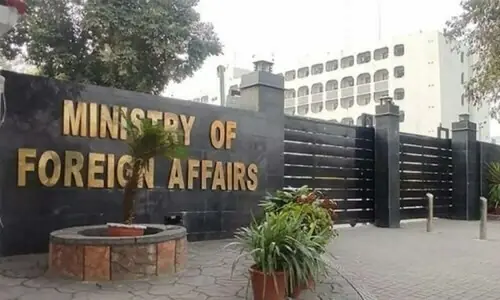
Pakistan joined 11 other Muslim-majority countries on Sunday in condemning the reported opening of a purported Somaliland embassy in Jerusalem, describing the development as unacceptable and inconsistent with international law.
In a joint ministerial statement, foreign ministers from Pakistan, Egypt, Saudi Arabia, Qatar, Jordan, Lebanon, Türkiye, Indonesia, Djibouti, Somalia, Palestine, Oman, Sudan, and Yemen expressed strong opposition to the reported move.
According to the statement, participating countries argued that establishing such a diplomatic presence in Jerusalem would represent a direct challenge to the legal and historical status of the city.
Furthermore, the ministers stated that unilateral actions affecting the status of Jerusalem remain inconsistent with international resolutions and legal frameworks.
The statement also emphasized continued opposition to measures viewed as altering existing arrangements concerning the city.
Meanwhile, officials stressed that actions involving sensitive territorial and political issues require adherence to established international agreements and principles.
Ministers Reaffirm Position on Jerusalem and Somalia’s Territorial Integrity
The joint declaration further stated that East Jerusalem has remained occupied Palestinian territory since 1967 and argued that changes affecting its legal or historical status carry no legal validity under international frameworks.
Additionally, the ministers reiterated support for Palestinian rights and longstanding international positions concerning the city’s future status.
The statement also addressed Somalia’s territorial integrity and sovereignty.
Participating countries expressed support for Somalia’s unity and rejected actions they believed could undermine the country’s territorial framework.
Furthermore, officials stated that unilateral measures affecting Somali sovereignty remain unacceptable and should not weaken internationally recognized principles.
Regional observers continue monitoring diplomatic developments and international reactions surrounding the issue as discussions involving sovereignty, territorial status, and broader regional concerns remain ongoing.

