
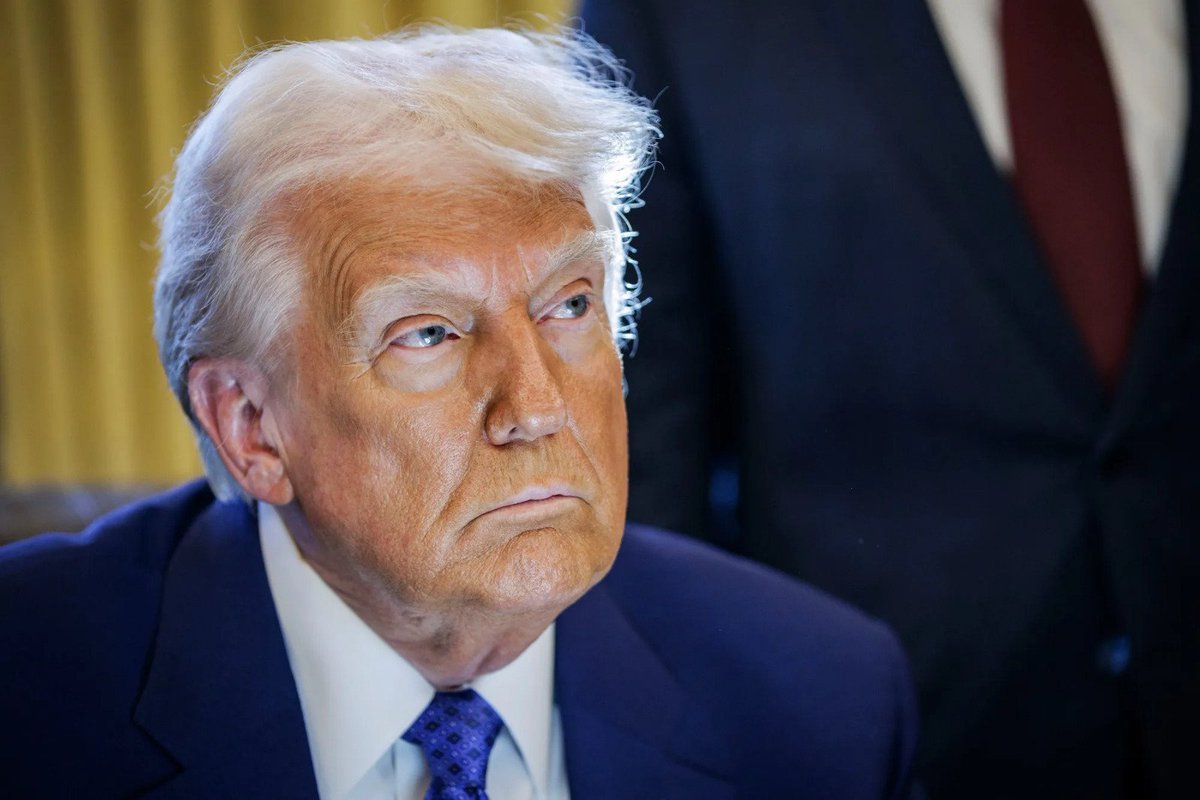

US President Donald Trump on Thursday warned that Washington would launch powerful new strikes against Iran later in the day. His remarks came as renewed exchanges of attacks in the Gulf further weakened a fragile ceasefire and raised concerns about a wider conflict.
Trump issued the warning through a social media post after both sides exchanged air attacks for a second consecutive day. He claimed that Iran’s military capabilities had been severely damaged by previous operations. As a result, he said the United States would hit Iran “very hard tonight.”
Moreover, Trump stated that the US intended to take control of Kharg Island and other key energy facilities in the future. He described the move as part of a broader effort to dominate oil and gas markets linked to Iran’s exports.
Kharg Island remains Iran’s most important oil export hub. The country normally ships around 2 million barrels of crude oil per day through the facility. Most of those exports are sent to China. The volume represents roughly 2% of global oil supply.
Meanwhile, Iranian officials did not immediately respond to Trump’s latest comments. However, Iran’s foreign ministry said earlier that recent US military actions had effectively destroyed the value of the ceasefire reached in early April.
At the same time, Iranian sources and Western officials reported that indirect talks between Washington and Tehran had intensified. The discussions focus on a preliminary peace framework. Nevertheless, the latest escalation has reduced hopes for a quick settlement after more than three months of conflict.
The war has killed thousands of people, mainly in Iran and Lebanon, since large-scale US and Israeli airstrikes began on February 28. Furthermore, the fighting has disrupted regional stability and increased pressure on energy markets.
Despite Trump’s warning, oil prices remained largely unchanged on Thursday. Investors weighed the political rhetoric against actual supply disruptions. In addition, analysts noted that capturing Kharg Island would have little immediate effect because Iranian oil exports have already faced severe restrictions in recent weeks.

