
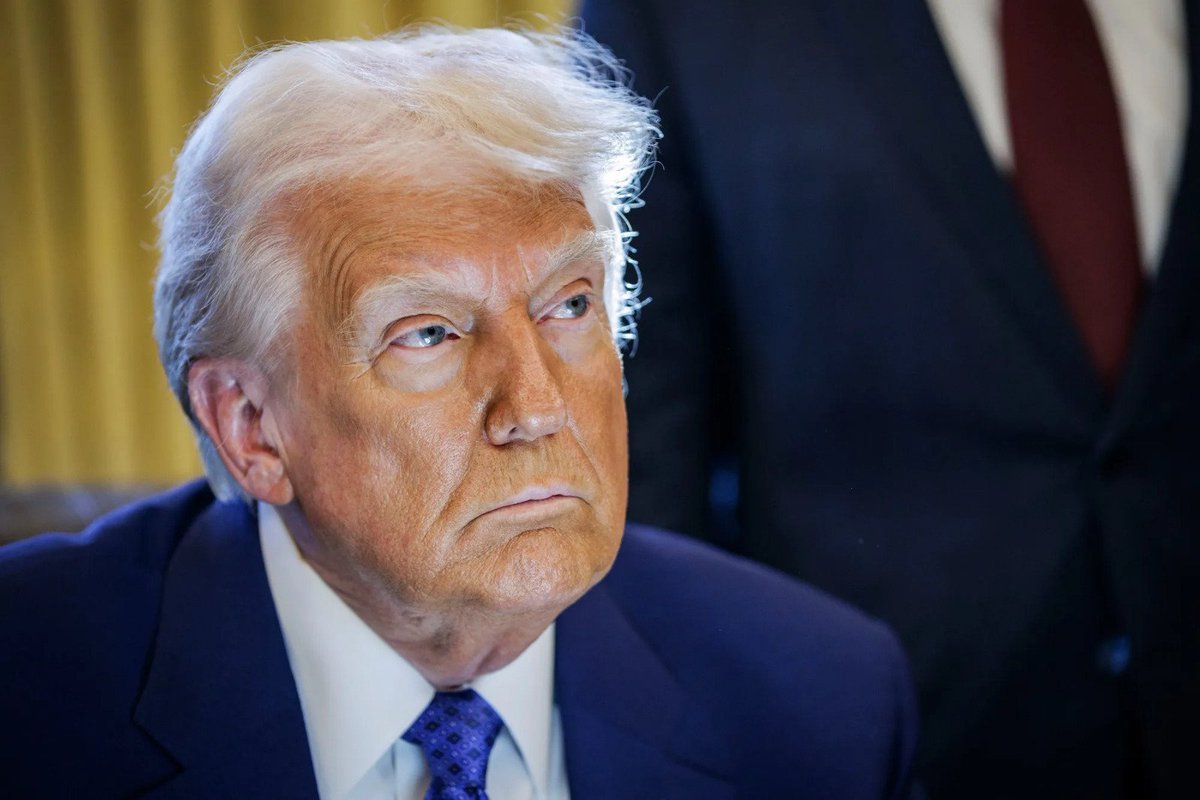

Top Officials Urged President to Reconsider Initial Position
US President Donald Trump initially hesitated to authorize military action against Iran but later approved the operation after receiving strong recommendations from senior members of his national security team, according to a report published by The Wall Street Journal.
The report stated that Defense Secretary Pete Hegseth and the Chairman of the Joint Chiefs of Staff played key roles in discussions surrounding the response. Both officials reportedly presented arguments supporting military action, emphasizing the need for a firm reaction following recent developments involving US forces in the region.
Sources familiar with the matter indicated that Trump carefully reviewed the options presented by his advisers before changing his position and ultimately authorizing the strikes.
The reported decision underscored the importance of consultations between the president and his senior military and defense officials during periods of heightened regional tension.
Decision Highlights Internal Deliberations Over Regional Strategy
According to the report, the discussions reflected broader debates within the administration regarding how Washington should respond to security challenges involving Iran while preserving strategic objectives in the Middle East.
Although Trump reportedly expressed reservations at the outset, officials said the advice from military leadership influenced the final decision-making process. The president ultimately concluded that a military response was necessary and gave approval for the operation to proceed.
The development came amid growing tensions in the Gulf region and increasing concerns over the safety of US personnel and military assets operating near key maritime routes.
Meanwhile, administration officials have maintained that the strikes were designed to protect American interests and demonstrate Washington’s willingness to respond to threats against its forces.
The reported shift in Trump’s position highlights the role of military assessments and strategic consultations in shaping US foreign policy decisions during periods of crisis. It also illustrates how key national security officials can influence policy outcomes through internal discussions and recommendations.
Neither the White House nor senior defense officials publicly commented on the reported deliberations, but the account offers a rare glimpse into the decision-making process behind one of the administration’s most significant recent military actions.
🇺🇸 Trump didn’t want to strike Iran at first.
Then Hegseth and the Chief of Staff stepped in and convinced him.
He reportedly flipped and greenlit the response.
He listened to the team, then made the call.
Source: WSJ / Writers: Claudio, Daniel pic.twitter.com/o4iZOE9zlN
— Mario Nawfal (@MarioNawfal) June 10, 2026

