

A former military official from the United States has sparked debate after linking recent diplomatic developments to personal relationships between global leaders. His remarks come at a time when tensions between Washington and Iran remain high, yet discussions about peace continue to surface.
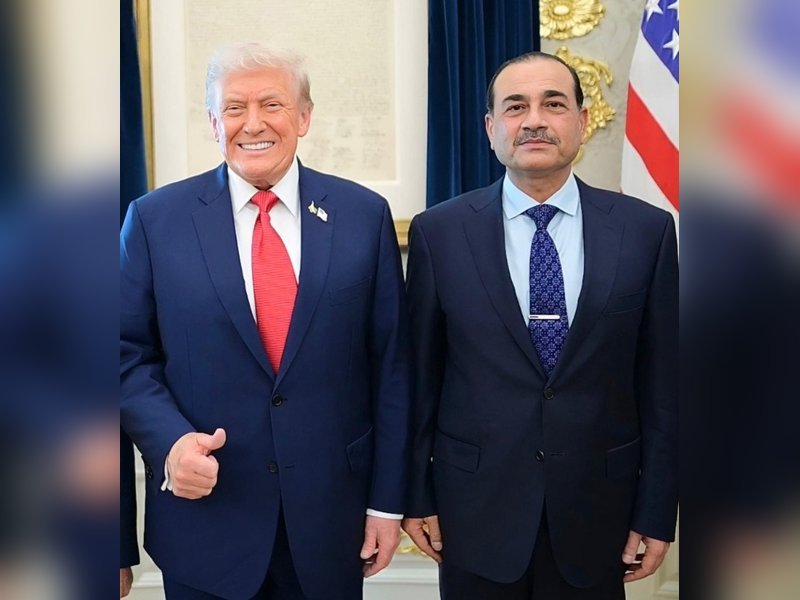
Speaking in a televised interview, the ex-general suggested that Donald Trump may have been influenced by his rapport with Asim Munir. According to him, personal diplomacy can play a powerful role in shaping international decisions, especially during sensitive conflicts.
Personal Relationships and Global Decisions
The former general argued that close ties between leaders can affect policy outcomes. He claimed that when Field Marshal Asim Munir emphasizes peace, it becomes difficult for Trump to reject such appeals.
This perspective highlights the growing importance of informal diplomacy. Personal trust between leaders can sometimes move negotiations forward faster than formal channels.
However, such claims also raise questions. Critics argue that foreign policy decisions should rely on national interests rather than personal bonds.
Ceasefire Extension Raises Questions
The discussion follows Trump’s recent decision to extend a ceasefire linked to ongoing tensions with Iran. The move was seen by some as an effort to create space for dialogue.
Supporters believe the extension reflects a willingness to avoid further escalation. They argue that both sides are looking for ways to reduce conflict.
At the same time, uncertainty remains. There is no clear confirmation about the next round of talks. Analysts say the situation could shift quickly depending on political developments.
Complexity Inside Iran
The former general also pointed to internal challenges within Iran. He said the country’s leadership structure is complex and difficult to interpret.
According to him, it is not always clear who holds ultimate decision-making authority. This uncertainty can complicate negotiations with external powers.
Experts often note that Iran’s political system includes multiple centers of influence. This can slow down decision-making and create mixed signals during diplomacy.
Desire for Dialogue Still Strong
Despite ongoing tensions, there are signs that both sides prefer negotiation over conflict. The former general emphasized that neither the United States nor Iran wants another war.
This shared interest could open the door for future talks. However, progress depends on mutual trust and clear communication.
Diplomatic efforts may also involve third-party facilitators. Countries like Pakistan have previously played roles in easing tensions.
Global Attention on Next Steps
The situation continues to attract global attention. Observers are closely watching whether talks will resume in the coming days.
If negotiations move forward, they could help stabilize the region. On the other hand, delays or disagreements may increase uncertainty.
Balancing Strategy and Diplomacy
The remarks from the former general highlight a broader debate. Should global decisions rely on strategic interests or personal connections?
In reality, both factors often play a role. Strong relationships can build trust, but policy decisions must also reflect national priorities.
Outlook Remains Uncertain
The future of US-Iran relations remains unclear. While there is hope for dialogue, challenges persist on both sides.
Leaders must navigate complex political landscapes. They also need to balance domestic pressures with international expectations.
For now, the possibility of talks offers cautious optimism. However, concrete outcomes will depend on actions rather than statements.

