

Israeli Leadership Reviews Military Strategy Against Hezbollah
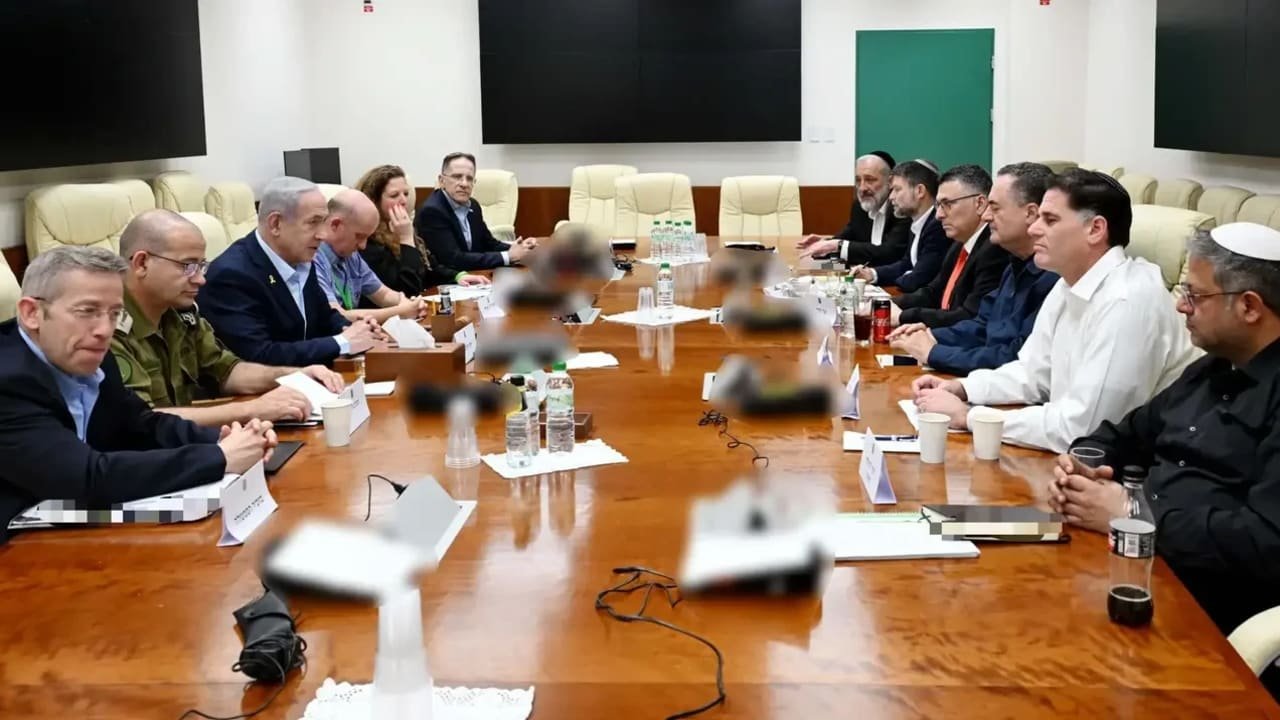
Israeli Prime Minister Benjamin Netanyahu chaired a Security Cabinet meeting on Thursday to discuss ongoing military operations and diplomatic developments related to the conflict with Hezbollah in Lebanon.
During the meeting, Netanyahu told ministers that no ceasefire agreement currently exists because Hezbollah has not accepted the proposed terms. He emphasized that he would only submit any future agreement to the Security Cabinet for approval if Hezbollah formally agreed to it.
The prime minister’s remarks came amid continued discussions over possible diplomatic arrangements aimed at reducing hostilities along the Israel-Lebanon border. However, Israeli officials indicated that significant differences remain between the parties.
Meanwhile, ministers used the meeting to outline differing views on how Israel should proceed in the coming weeks as military and diplomatic efforts continue simultaneously.
Ministers Express Diverging Views on Ceasefire Prospects
Several cabinet members urged a tougher military approach toward Hezbollah. National Security Minister Itamar Ben-Gvir called on Netanyahu to convey Israel’s security concerns directly to US President Donald Trump and argued for intensified operations against Hezbollah positions in Lebanon.
Similarly, Energy and Infrastructure Minister Eli Cohen said Israel should adopt a stronger response to the threat posed by Hezbollah. Lawmaker Ze’ev Elkin also expressed skepticism about the prospects for a ceasefire, stating that Hezbollah appeared unwilling to reach an agreement.
In addition, National Missions Minister Orit Strock advocated expanding Israeli operations, while Development of the Negev and Galilee Minister Yitzhak Wasserlauf warned against relying solely on diplomatic efforts and stressed the need to maintain military pressure.
However, not all ministers shared the same position. Finance Minister Bezalel Smotrich presented a more cautious assessment, arguing that achieving a ceasefire under current circumstances could represent a significant accomplishment for Israel.
The debate highlighted ongoing differences within Israel’s leadership regarding the balance between military action and diplomacy. As negotiations continue and fighting persists along the northern front, Israeli officials remain divided over the best path toward securing long-term stability and addressing the threat posed by Hezbollah.

