

Plant-Based Omega-3 Options Beyond Fish
Omega-3 fatty acids are often linked with oily fish such as salmon. However, fish is not the only way to get this important nutrient. Vegetarians, people with fish allergies, and those who simply do not like seafood can still add omega-3s to their diet through plant-based foods.
Omega-3s play an important role in supporting the brain, heart, eyes, and overall health. Plant-based foods mainly provide a type of omega-3 called ALA, or alpha-linolenic acid. The body can convert some ALA into other omega-3 forms, although the conversion rate is limited.
According to the National Institutes of Health, experts have not set recommended daily amounts for all omega-3 fatty acids, except for ALA. Current guidelines recommend 1.6 grams of ALA daily for adult men and 1.1 grams for adult women. The recommendation increases to 1.4 grams during pregnancy and 1.3 grams during lactation.
Flaxseed, Chia, and Hemp Lead the List
Flaxseed oil is one of the richest vegetarian sources of omega-3s. One tablespoon contains about 7.26 grams of ALA. It can be added to smoothies, salad dressings, or other cold foods. Flaxseeds are also high in fiber and may support digestion, gut health, and cholesterol control. However, flaxseed oil is considered a more bioavailable option for omega-3 intake.
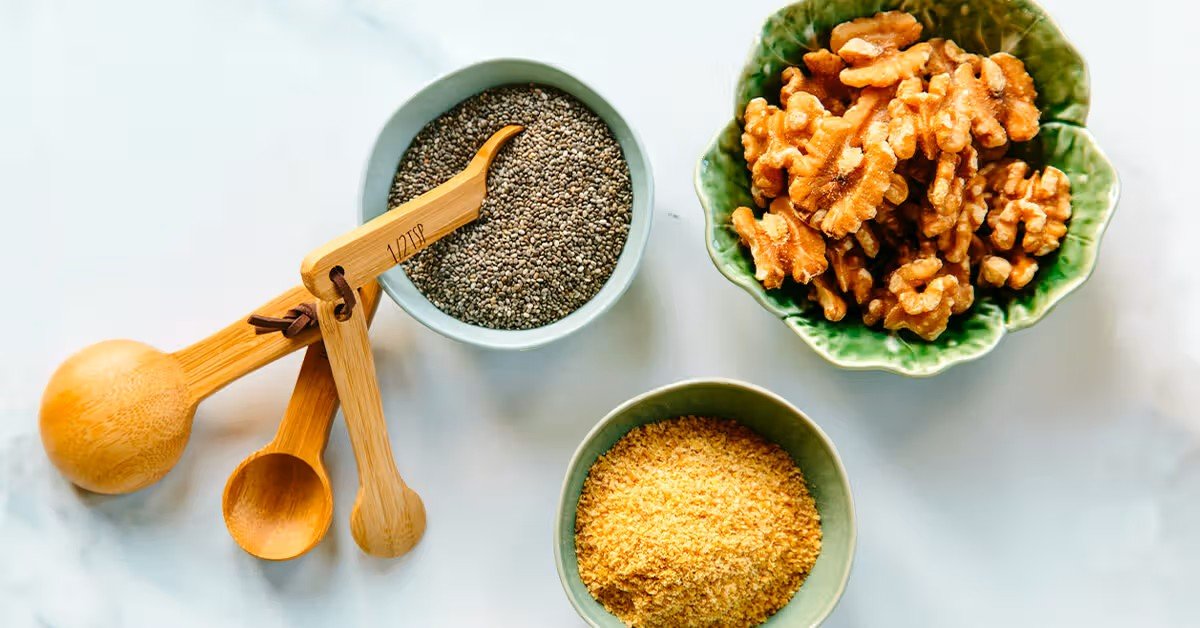
Chia seeds are another strong plant-based choice. One ounce provides about 5.05 grams of ALA. They also contain protein, fiber, vitamins, and minerals. This makes them a useful option for people who want a nutrient-dense food that supports daily wellness.
Hemp seeds also offer a healthy amount of omega-3s. Three tablespoons contain around 2.6 grams of ALA. They also provide protein, magnesium, potassium, and omega-6 fatty acids. These healthy fats may help support cholesterol balance when used as part of a balanced diet.
Walnuts, Soybean Oil, and Algal Oil Add More Choices
Walnuts are a simple and popular source of plant-based omega-3s. One ounce contains about 2.57 grams of ALA. Walnuts also provide polyphenols, which are antioxidants linked with reduced inflammation and lower oxidative stress.
Soybean oil is another vegetarian source of ALA. One tablespoon contains about 0.92 grams. It can be used in moderation for cooking or salad dressings. Whole soybeans also contain ALA, but soybean oil provides a more concentrated amount.
Algal oil supplements are different from the other options because they come from algae. Algae are the original source of EPA and DHA for fish. This makes algal oil a direct plant-based option for people who want omega-3s without consuming seafood.
However, supplements should not be added without proper guidance. Anyone considering algal oil or other supplements should speak with a medical provider first, especially if they are pregnant, breastfeeding, taking medication, or managing a health condition.
For vegetarians, omega-3 intake does not have to be difficult. Foods such as flaxseed oil, chia seeds, hemp seeds, walnuts, soybean oil, and algal oil can help support daily nutrition goals without relying on fish.

