
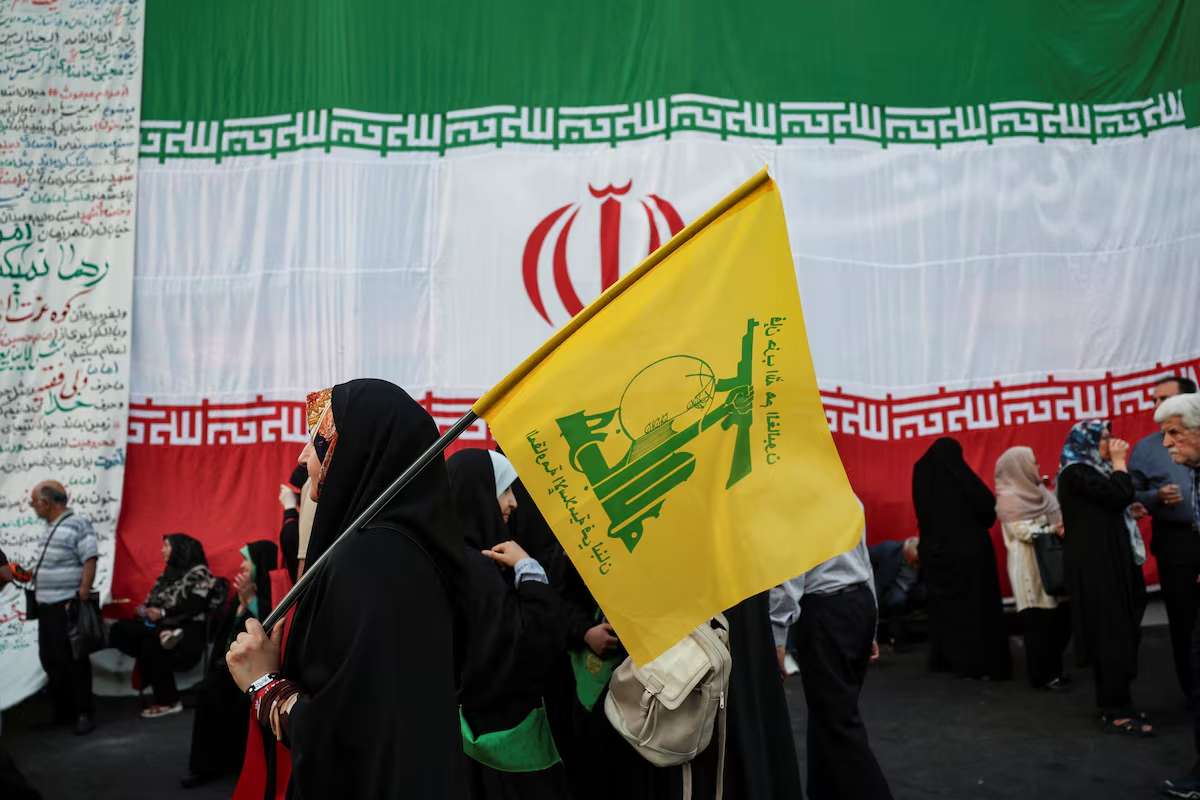

Tehran Demands Israeli Withdrawal From Southern Lebanon
Iran has renewed its backing for Hezbollah and insisted that Israel must withdraw from southern Lebanon, highlighting continuing obstacles to efforts aimed at ending the broader regional conflict.
Speaking in an interview with Lebanese media, Iranian Foreign Minister Abbas Araghchi said any lasting resolution to the conflict must include an end to hostilities in Lebanon and the withdrawal of Israeli forces from territories they currently control.
Araghchi stressed that developments in Lebanon remain directly connected to ongoing diplomatic efforts involving Iran and the United States. He argued that the war cannot be considered over unless conditions in Lebanon are also addressed.
Meanwhile, Hezbollah leader Naim Qassem reportedly rejected a US-backed arrangement negotiated between Israel and the Lebanese government, stating that the group was not involved in the discussions. The proposed understanding reportedly did not include provisions for an Israeli military withdrawal.
In response, Israeli forces continued operations in southern Lebanon, while military activity persisted across several areas despite ongoing diplomatic initiatives.
Regional Tensions Continue Despite Negotiations
Senior Iranian officials also reiterated support for Hezbollah. Mohsen Rezaei, an adviser to Iran’s supreme leader, described the Lebanese group as a key ally and reaffirmed Tehran’s commitment to supporting it. He additionally warned Israel against expanding military operations in Lebanon, particularly in Beirut.
At the same time, Lebanon’s Parliament Speaker Nabih Berri indicated that Hezbollah could withdraw from southern Lebanon if Israeli forces simultaneously left occupied areas.
In Washington, US President Donald Trump expressed optimism about prospects for peace in Lebanon, saying progress was being made despite continuing violence across the region.
However, clashes and military incidents continued in multiple locations. Hezbollah reported attacks on Israeli troops in southern Lebanon, while reports also emerged of naval tensions involving Iranian and American forces in regional waters.
The conflict has continued to affect international trade and energy markets, particularly through disruptions linked to the Strait of Hormuz. Rising fuel prices and supply chain pressures have increased economic concerns worldwide.
As indirect negotiations between Tehran and Washington continue, significant disagreements remain over sanctions relief, regional security arrangements and Iran’s nuclear programme, leaving the path toward a comprehensive agreement uncertain.

