
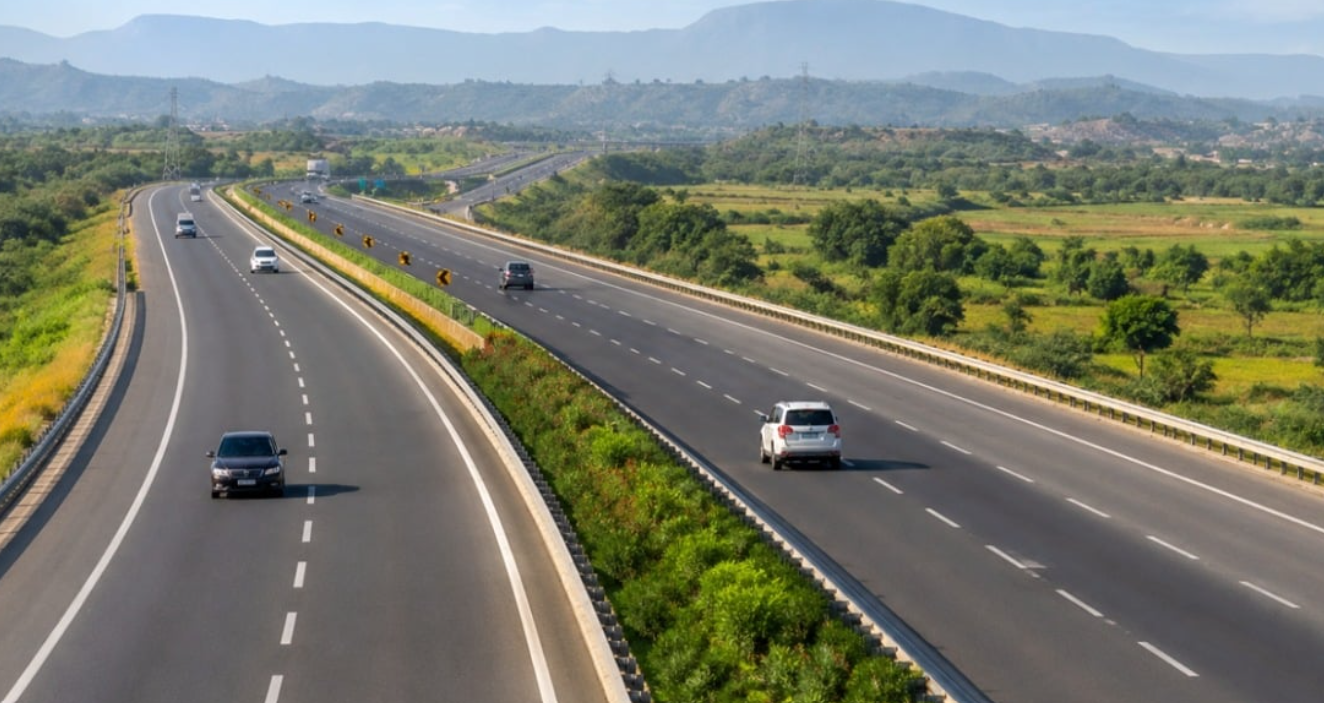

Transporters in Pakistan have called on authorities to establish emergency response facilities at regular intervals along national highways. The proposal aims to improve passenger safety and reduce casualties in road accidents.
Transport Sector Raises Road Safety Concerns
The All Pakistan Bus Owners Public Transport Association has demanded urgent reforms in highway emergency infrastructure. Transporters argue that current systems are insufficient to handle accidents effectively in remote areas.
During a meeting of transport operators, the issue of road safety and emergency preparedness was discussed in detail. The discussion focused on improving response times during accidents on long-distance travel routes.
Proposal for Emergency Services Every 30–40 Kilometers
Transporters have urged the government to set up service areas at intervals of 30 to 40 kilometers along national highways. These facilities would include ambulances, fire brigades, and other emergency response units.
They emphasized that quick access to emergency services can significantly reduce loss of life during road accidents and fire incidents. Immediate response is considered critical, especially on long and isolated highway stretches.
Focus on Vehicle Safety and Accident Response
Representatives highlighted risks associated with accidents involving vehicle-mounted gas cylinders and fire-related incidents. They stated that delayed emergency response often increases both casualties and property damage.
Transporters believe that properly equipped service stations can help manage such emergencies more effectively. The availability of trained staff and emergency vehicles is considered essential for saving lives.
Call for Driver Rest and Fatigue Management
Alongside infrastructure demands, transport leaders also stressed the importance of driver safety. They urged operators to ensure that drivers receive adequate rest before long-distance journeys.
Fatigue was identified as a major factor contributing to road accidents, particularly on routes leading to northern regions. Proper scheduling and rest periods were recommended to reduce risk.
Improved Passenger Safety and Travel Confidence
Transporters stated that enhanced emergency systems would improve overall road safety standards. They believe that passengers would feel more secure while traveling on national highways.
Better infrastructure, combined with responsible driving practices, is expected to reduce accident rates and improve travel reliability across the country.
Industry Participation and Stakeholder Support
The meeting included participation from several transport sector representatives and stakeholders. Leaders from different transport groups attended the discussion and supported the proposal for improved safety measures.
They collectively emphasized the need for coordinated efforts between the government and transport operators to strengthen emergency response systems.
Conclusion
The demand for emergency services every 30–40 kilometers reflects growing concerns over highway safety in Pakistan. Transporters argue that improved infrastructure and better preparedness can significantly reduce accident-related losses and enhance public safety on national roads.

