
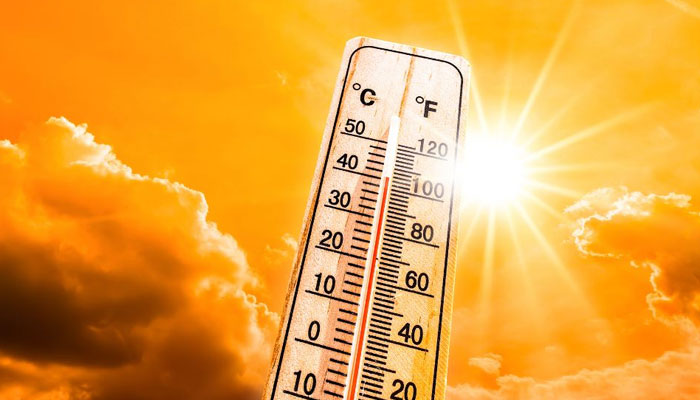

Pakistan’s national space agency has issued a serious climate warning, stating that 2027 could become the hottest year on record. The warning highlights rising risks from heatwaves, drought conditions, and accelerating environmental stress across the country.
Climate Warning Signals Extreme Weather Ahead
According to the latest assessment, Pakistan may face prolonged heatwaves and extended dry spells in the coming year. The warning suggests that temperature extremes could intensify beyond recent historical levels.
The agency noted that climate patterns are shifting rapidly, increasing the likelihood of severe weather events. These changes are expected to affect multiple regions differently, depending on geography and climate vulnerability.
Impact of Climate Systems on Weather Patterns
The agency indicated that the La Niña climate system is expected to begin influencing weather conditions toward the end of the current year. This shift may contribute to unpredictable rainfall patterns and temperature variations.
Such climate fluctuations often lead to uneven weather distribution, increasing risks of both drought and flooding in different regions of the country.
Glacier Melting and Flood Risks in Northern Areas
One of the major concerns highlighted is the accelerated melting of glaciers in northern Pakistan. Areas in Khyber Pakhtunkhwa and Gilgit-Baltistan are considered highly vulnerable.
The warning states that rapid glacier melt could increase the risk of flooding in mountainous regions. These events may pose serious threats to communities living downstream.
Rising Heat and Water Stress in Southern Regions
Desert and coastal areas of Sindh and Balochistan are expected to face extreme temperatures. These regions may also experience worsening water shortages due to reduced rainfall and rising evaporation rates.
Water scarcity in arid zones could place additional pressure on agriculture, drinking water supply, and local livelihoods. The situation may further intensify existing resource challenges.
Agricultural Concerns and Food Security Risks
The warning also highlights potential risks to agriculture. Crops such as wheat, cotton, and rice may be affected by extreme heat and irregular rainfall patterns.
These conditions could reduce agricultural productivity and create challenges for national food security. Farmers may face increased uncertainty due to unpredictable weather cycles.
Urban Impact and Infrastructure Strain
Recent rainfall in Lahore provided temporary relief from heat conditions. However, it also disrupted electricity supply in several areas, showing how weather extremes can impact urban infrastructure.
Such incidents highlight the need for stronger climate resilience in city planning and energy systems.
Growing Need for Climate Preparedness
Experts continue to stress that Pakistan remains highly vulnerable to climate change impacts. These include heatwaves, water stress, glacier-related hazards, and unpredictable rainfall.
The warning emphasizes the importance of early planning, adaptation strategies, and improved disaster preparedness. Without intervention, extreme weather conditions may become more frequent and severe in the coming years.
Conclusion
The forecast for 2027 presents significant climate challenges for Pakistan. Rising temperatures, water shortages, and glacier-related risks underline the urgency for long-term climate resilience and national preparedness strategies.

