
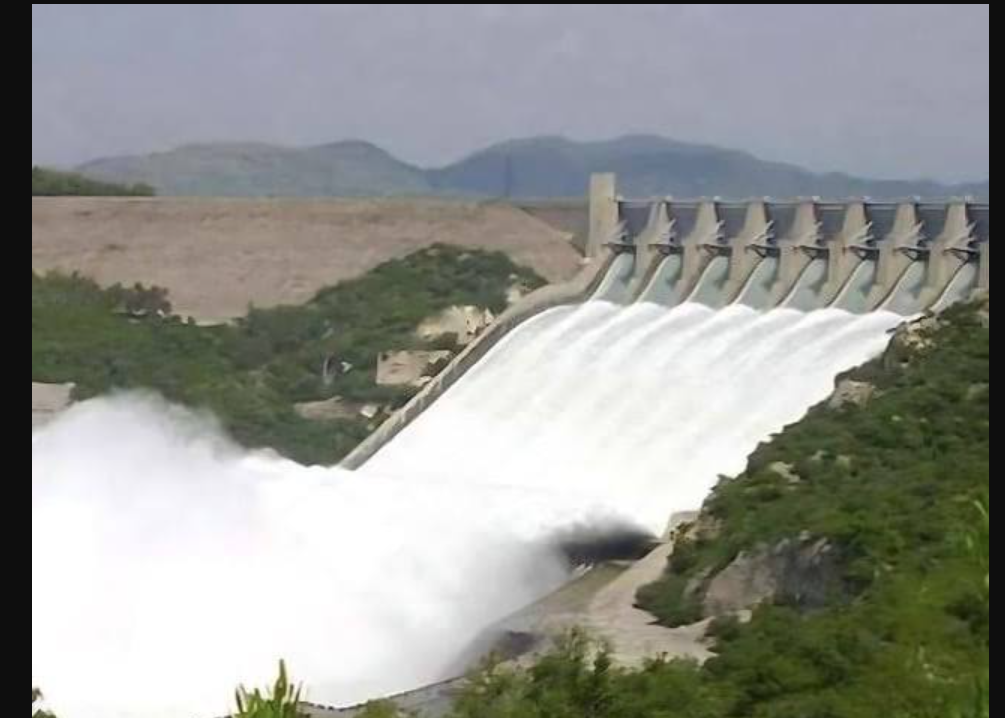

Authorities opened the spillways of Tarbela Dam on Monday morning to safely manage rising water levels in the reservoir. The controlled release is expected to increase the flow of the River Indus, prompting officials to issue safety advisories for communities living downstream.
The precautionary measure aims to regulate water levels while reducing potential risks associated with increased river discharge. Consequently, residents living near the Indus River and connected waterways have been urged to remain alert.
Spillways Opened to Manage Rising Water Levels
The spillways of Tarbela Dam were opened at 11:00 am on Monday as part of routine water management operations.
Following the release, the River Indus flow is expected to increase from approximately 220,000 cusecs to 245,000 cusecs.
Authorities said the controlled discharge is necessary to safely manage the growing inflow into the reservoir.
Increased River Flow Prompts Safety Advisory
According to the National Disaster Management Authority (NDMA), the increased discharge is likely to raise water levels in the River Indus.
As a result, people living near the river, streams and connected waterways may face potential risks if they enter affected areas.
Therefore, residents have been advised to avoid approaching the river and other water channels until conditions stabilize.
Authorities Advise Residents to Stay Vigilant
The NDMA has urged people, particularly those living in low-lying areas, to remain vigilant during the increased water release.
Residents have also been encouraged to follow official safety instructions and cooperate fully with local authorities.
Officials stressed that precautionary measures can help prevent accidents and reduce the risk of loss of life or property.
Emergency Agencies Placed on Alert
The NDMA stated that all relevant federal, provincial and local authorities were informed before the spillways were opened.
The advance notification was issued to ensure timely preparedness and an effective response, if required.
Meanwhile, authorities continue to monitor water levels closely while coordinating with local administrations to maintain public safety throughout the controlled discharge operation.

