
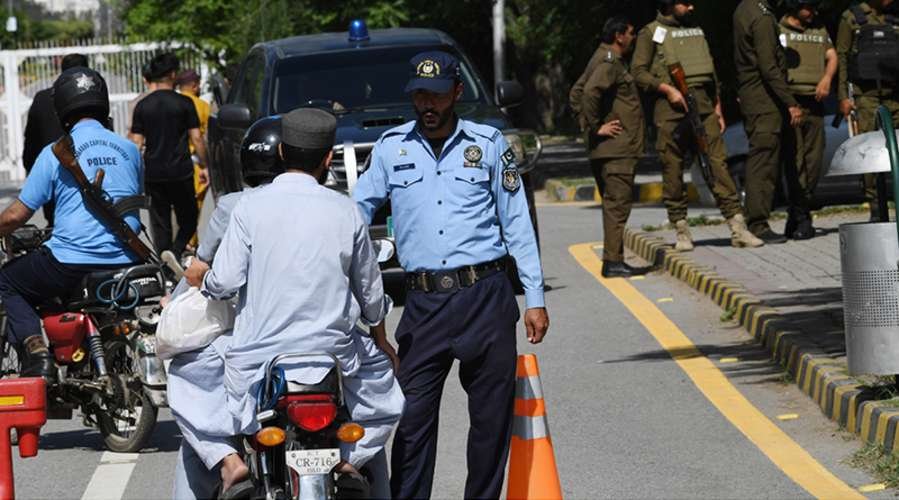

Islamabad/Rawalpindi: Confusion spread across the twin cities on Thursday as residents faced empty fruit stalls, closed petrol pumps, and a worsening milk shortage. However, officials maintained that overall supply chains remained stable despite growing public concern and visible disruption in markets.
Food supply pressures and rising prices
In Islamabad, fruit shops reported empty shelves after five days of restricted movement, with only limited stocks of melons and oranges available. Moreover, families struggled to secure milk, particularly for children, as shortages pushed prices sharply higher. Local rates climbed to Rs190–220 per litre, while packaged milk brands reached as high as Rs260.
Meanwhile, authorities offered no clear explanation for the sudden scarcity, even as concerns grew among consumers. In addition, uncertainty increased due to ongoing regional tensions and disrupted transport routes, further affecting distribution of essential goods.
Fuel shortages and transport disruptions
Across Rawalpindi, more than 70 percent of petrol pumps remained closed, forcing motorists to queue for hours at the few operational stations. Consequently, citizens reported severe inconvenience as fuel availability tightened in several areas.
Furthermore, officials attributed the situation to panic buying and logistical disruptions rather than an actual nationwide shortage. Petrol prices stood at Rs366.58 per litre, while diesel sold at Rs353.43, keeping transport costs elevated.
In addition, the Deputy Commissioner of Islamabad urged residents to remain calm, stating that fuel stocks remained sufficient. However, on-ground conditions reflected ongoing disruptions, with hundreds of goods vehicles stranded due to restricted motorway access and closures on key highways, including the GT Road near Attock.

