

Bear Remains on the Loose in Fukushima
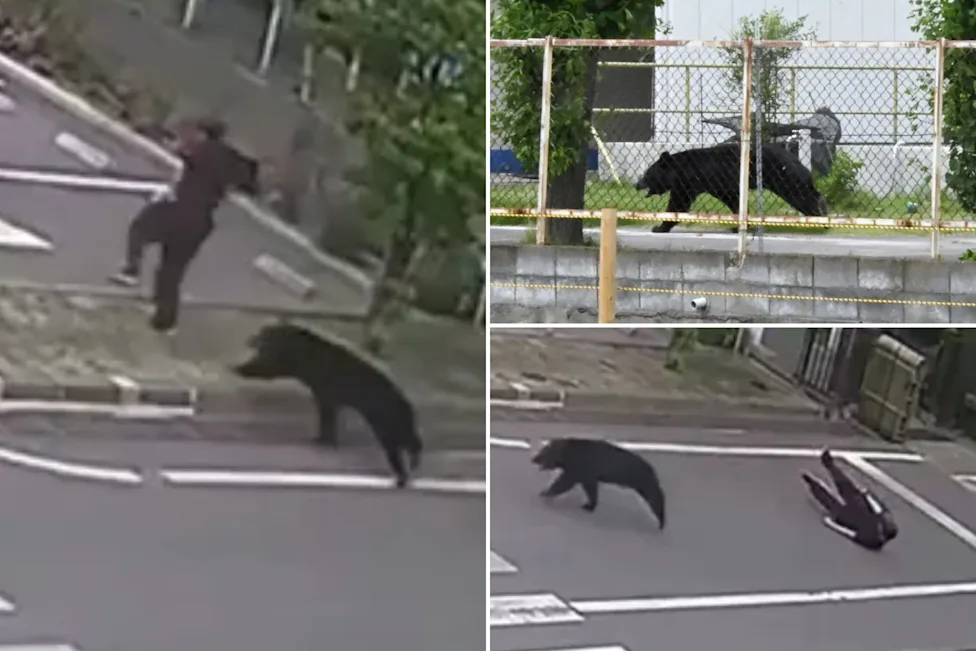
An “extremely intelligent” bear remains at large in northern Japan after injuring four people and escaping capture.
Officials said the animal was still missing as of Friday morning.
The incident took place in Fukushima, where the bear attacked people at two factories on Tuesday.
After the attacks, the animal reportedly entered one of the factory buildings and took shelter inside.
Hunters, police, firefighters, and local responders launched an operation to catch it.
Teams used traps and anaesthetic guns during the search.
However, the bear managed to avoid capture and escaped late on Wednesday.
Local authorities said the situation remains serious because the animal has already injured several people.
Residents have been urged to remain alert as search efforts continue.
Officials Say Bear Unlocked Window and Turned on Tap
Fukushima Mayor Yuki Baba said evidence suggested the bear escaped in an unusual way.
He told reporters that the animal appeared to have unlocked a window by itself.
Claw marks were found near the exit point.
Officials also believe the bear turned on a water tap to drink.
The mayor described the animal as “extremely intelligent.”
He said authorities had taken all possible measures with the help of hunters, police, and firefighters.
However, he admitted that the teams failed to achieve their goal despite their best efforts.
Baba called the failed capture “extremely regrettable.”
The case has drawn national attention because of the bear’s unusual behaviour and the rising number of bear encounters in Japan.
Japan Faces Growing Bear Threat
Japan has seen a sharp increase in bear sightings and attacks in recent years.
A record 13 people were killed by bears last year.
Sightings have also increased as bears emerge hungry from hibernation.
In the last fiscal year ending in March, bear sightings across Japan topped 50,000.
That figure was more than double the previous record set two years earlier.
Bears have been seen entering homes, moving near schools, and appearing in supermarkets.
They have also been reported at hot spring resorts and other public places.
Experts say several factors may be driving the rise.
A warming climate has affected food availability and animal behaviour.
Bears are also benefiting from more food sources, including acorns, deer, and boars.
As sightings grow, Japanese authorities face mounting pressure to protect residents while managing wildlife risks.
The Fukushima bear case has now become another warning sign of the country’s growing human-wildlife conflict.

