

By Humaira Motala
KARACHI: Lane discipline is the backbone of traffic discipline. When every vehicle respects its lane, bottlenecks shrink, average speed rises, and fatal crashes drop. On Shahrah-e-Faisal, where buses, dumpers, cars and bikes fight for space, lane violations were the biggest trigger for gridlock and collisions. A single dumper drifting into the fast lane could stall traffic for kilometers.
Karachi Traffic Police and Chhipa Welfare Association reported 857 traffic fatalities citywide in 2025, with over 12,000 people injured in crashes. While road-wise breakdowns aren’t published, authorities repeatedly cited Shahrah-e-Faisal as one of the major arteries driving those numbers. Heavy vehicles like trailers, water tankers and dumpers accounted for a substantial portion of those fatal collisions.
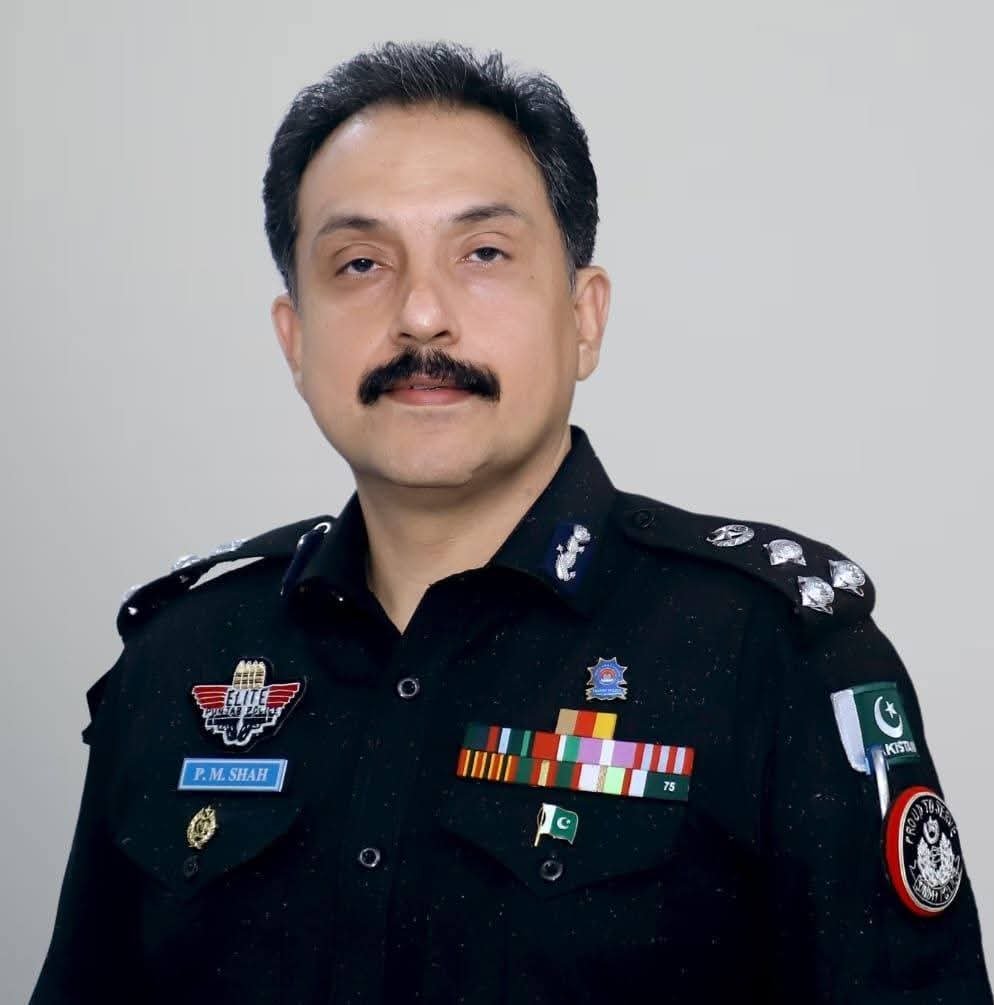
To explain the shift, DIG Traffic Pir Mohammad Shah was interviewed by the TFD team. He said this entire enforcement model stems from the vision of the Sindh government and the People’s Party government — to put life safety of common citizens above convenience. “The Chief Minister and the provincial leadership were clear: Karachi was losing lives every day to preventable crashes, and we could not keep managing traffic with whistles and batons alone,” DIG Shah explained. “The vision is tech-driven traffic reforms. Cameras don’t get tired, cameras don’t take bribes, and cameras don’t look away. But technology alone won’t work. Penalties build habit. When a driver gets a challan at home within 48 hours, he learns faster than 10 lectures at a signal.” Shahrah-e-Faisal was picked as the pilot because, in his words, “If we can fix discipline on Karachi’s busiest artery, we can fix it on any road. This is about training a city, one lane at a time, so 857 families don’t lose their loved ones next year.”
June 1 D-Day: 20 AI Cameras Switch On till Drigh Road*
Q: When did automated lane violation detection go live, and what’s the coverage?
DIG Traffic: We went live on 1st June 2026. Right now 20 high-resolution ANPR cameras are active till Drigh Road. These cameras are AI-enabled, so they read number plates, track vehicle type, and detect lane violations 24/7. The system doesn’t sleep, doesn’t take bribes, and doesn’t get distracted. We started on Shahrah-e-Faisal because it carries 200,000+ vehicles daily and was the most chaotic corridor. If discipline starts here, it can start anywhere.
100 E-Challans Issued Every Day Since Launch
Q: What’s the scale of violations and is there any leniency for first-time offenders?
DIG Traffic: We’re averaging 100 challans per day, and that number tells you how deep the lane-cutting culture was. With 857 deaths and 12,000+ injuries across Karachi last year, we can’t afford leniency. There’s no waiver on the first offence because leniency kills discipline. But we understood behavior change takes time, so we offer a one-time deferment. The goal isn’t revenue — it’s training 200,000 drivers to respect lanes before they become another statistic.
Rulebook on Asphalt: 4 Lanes, 4 Categories, Zero Excuses
Q: How does enforcement work and how do you handle forced lane changes?
DIG Traffic: We’re focusing on fast lanes because one slow vehicle there blocks thousands behind it and triggers sudden braking — the main cause of rear-end crashes. The rule is non-negotiable and now camera-enforced: Lane 1, leftmost, is reserved for buses, commercial and delivery vans. Lane 2 is for motorcycles and rickshaws. Lane 3 is for cars. Lane 4, rightmost, is for fast-moving cars and overtaking only. The AI accounts for obstacles — if a vehicle switches lanes due to a breakdown, pothole or emergency, the system flags it for human review. We’re penalizing intent, not emergencies.
26 Billboards: DIG Admits ‘We Spent Little, But Reached Everyone’
Q: What awareness drive preceded penalties?
DIG Traffic: We didn’t have massive funds for advertising, but we had the will. With limited budget, we put up 26 large billboards in every district and at well-known intersections across Karachi. We pushed the message on social media, radio, and through community networks. At Defence Kalapul we installed an LCD screen running the lane rule loop 24/7. The message was clear for weeks before the first challan: learn your lane, or pay for breaking it. You can’t claim you didn’t know when 26 billboards told you first.
Rs 10,000 for Dumpers, 48-Hour Notice: E-Challan Can Be Contested at 11 Sahulat Centres
Q: What are the penalties and what if a citizen disagrees with the camera?
DIG Traffic: The fine is graded by risk because risk isn’t equal. Rs 2500 for bikes and rickshaws, Rs 5000 for cars, Rs 7500 for buses, Rs 10,000 for dumpers and tankers — they cause maximum damage when they cut lanes, as 2025 data shows. Within 48 hours, the penalty letter is issued and delivered. Every citizen can also track and download their e-ticket on the Trac 4 Citizens app, Traffic Regulation and Citation System. The app says it all: Stay Informed. It will show traffic rules, challan status and ways of easy payment. If you believe the camera was wrong, you have a right to contest — go to any of 11 Sahulat Centres or call 1915 for deferment and review. Transparency is built into the system so people trust it.
Early Dividends: Buses Disciplined, Bikes Smarter Peak-Hour Pain Easing
Q: Has the system shown impact in just one month?
DIG Traffic: Yes, and the change is visible on the ground. Traffic flow has improved because buses are now holding their lane instead of weaving across three lanes. We’ve observed a little but real improvement during peak hours — the hours that used to mean 45-minute jams. Motorbike and car owners have also become cautious about number plates. When your plate is missing, the challan doesn’t reach you — and that itself becomes an enforcement tool. If this trend holds, we’ll see fewer of those 12,000 injuries next year.
Cameras to Hit Airport, Clifton, 2 & 3 Talwar By August
Q: What’s the roadmap for scaling lane discipline citywide?
DIG Traffic: This is just the pilot. By August the camera network will expand to Airport Road, Clifton, and the 2 & 3 Talwar junctions. These are high-traffic, high-accident zones that mirror Shahrah-e-Faisal’s problems. The Sindh government’s plan is to create a grid of disciplined corridors, so lane discipline isn’t limited to one road. One corridor at a time, we’ll retrain Karachi’s driving culture and bring those 857 fatalities down.
In short, the Shahrah-e-Faisal lane enforcement says, “The cameras are watching, but the choice is yours — stay in your lane, save time, save lives.”
Know Your Lane in 4 Steps
Lane 1 – Leftmost: Buses, commercial vans, delivery vehicles only.
Lane 2: Motorcycles and rickshaws.
Lane 3: Cars and light vehicles.
Lane 4 – Rightmost: Fast-moving cars and overtaking only.
Stay in your lane, avoid Rs 2500 to Rs 10,000 challans, and keep Shahrah-e-Faisal moving.

