
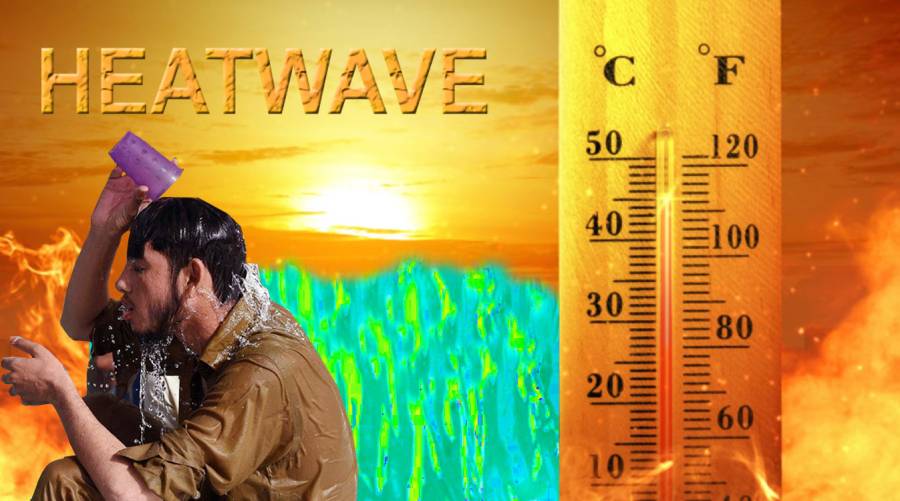

Punjab is preparing for an intense and prolonged heatwave. Authorities warn that extreme weather will grip the province from late April through June. The forecast comes from the Pakistan Meteorological Department, which predicts temperatures well above normal levels.
The rising heat is expected to impact daily life, health, and essential services. Experts are urging immediate precautions as conditions may worsen in the coming weeks.
Temperatures to Surge Across Punjab Regions
According to the seasonal outlook, temperatures will stay above average until May 2026. Some areas may experience a rise of 4 to 6 degrees Celsius above normal levels. These increases could trigger repeated heatwave conditions.
April temperatures are expected to remain 1 to 2 degrees higher than usual. The heat will intensify further in May, rising by 2 to 3 degrees. By June, several regions may record extreme highs of 45 to 46 degrees Celsius.
Southern parts of Punjab are likely to be hit the hardest. These regions typically face harsher climate conditions. The risk of prolonged heatwaves is significantly higher there.
Major urban centers will also feel the pressure. In Lahore, temperatures in May may range between 42 and 45 degrees Celsius. Urban heat effects may make conditions feel even more intense.
Heatwave Conditions May Disrupt Daily Life
The Meteorological Department defines a heatwave as temperatures reaching 42 degrees Celsius or more. If such conditions persist for several days, the severity increases. This can lead to serious health and environmental risks.
By the end of April, temperatures could already reach around 38 degrees Celsius. The likelihood of sustained heatwaves will rise in May and June. Officials also warn that June and July may see temperatures exceeding 44 degrees.
Extreme heat can disrupt routine life. Power demand is expected to increase sharply. Water shortages may also become more frequent. Health risks such as dehydration and heatstroke could rise significantly.
Authorities are concerned about vulnerable populations. Children, elderly individuals, and outdoor workers face higher risks during extreme heat.
Precautionary Measures and Long-Term Solutions
Officials have advised the public to take safety measures. People should avoid outdoor activities during peak heat hours. Staying hydrated is essential. Wearing light clothing and covering the head can reduce heat exposure.
The Environmental Protection Department has suggested broader actions. These include increasing tree plantation and improving heatwave alert systems. Hospitals are being urged to prepare for heat-related emergencies. Maintaining water supply is also a key priority.
Experts warn that such extreme weather events may become more frequent. Climate patterns are changing rapidly. Without timely intervention, future heatwaves could become even more severe.
The coming months will test Punjab’s resilience. Preparedness and awareness will play a crucial role in reducing the impact of this intense heatwave.

