
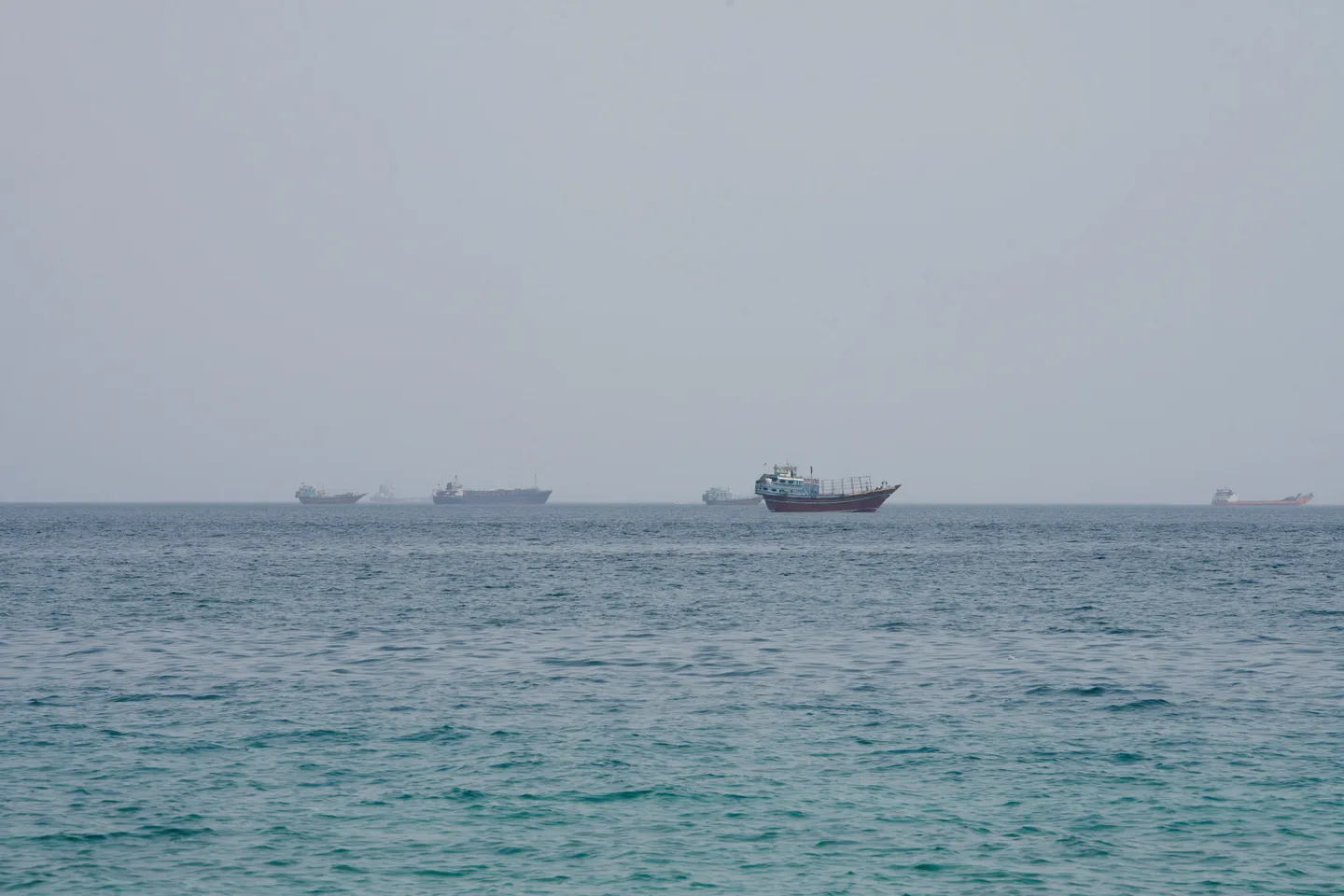

Saudi Arabia has resumed oil loadings from inside the Strait of Hormuz after weeks of disruption. Saudi Aramco restarted loadings last week, according to shipping data and trade sources. Several tankers are also waiting to load Saudi crude.
The development comes after attacks on Saudi tankers during an escalation in the US-Iran conflict last month. Meanwhile, Aramco has begun offering spot cargoes of heavier crude grades to Asian buyers.
Aramco Offers Heavy Crude to Asian Buyers
On Monday, Saudi Aramco offered Arab Medium and Arab Heavy crude cargoes to some Asian refiners.
The cargoes are scheduled for loading this month through ship-to-ship transfers near Fujairah in the United Arab Emirates.
The return of Saudi exports could help ease shortages of heavier crude grades. These grades produce more residual fuel oil during refining. The fuel can then power ships or undergo further processing.
Refineries can also process the residue into higher-value products, including gasoline and diesel.
Therefore, the renewed availability of Saudi heavy crude could provide some relief for refiners facing tighter supplies.
Three VLCCs Load Saudi Crude
Three very large crude carriers have already loaded Saudi oil from terminals inside the Strait. The Malaysia Prosperity, Algeria Prosperity and Singapore Prosperity each loaded about two million barrels.
The vessels loaded the crude at the Juaymah and Ras Tanura terminals between August 12 and 16. However, available shipping data showed a three-week gap since the previous loadings at those ports.
It remains unclear which specific crude grades the three tankers carried.
Saudi Aramco has not commented on the latest shipments. Sinokor, which owns the vessels, also did not respond to requests for comment.
More Tankers Could Follow
The renewed activity may expand further in the coming weeks. Provisional shipping data indicates that six additional VLCCs could load Saudi oil from inside the Strait later this month.
Traders also expect Saudi Aramco could use its own tankers for future Hormuz crossings. Seven VLCCs operated by Saudi-based Bahri were seen near the UAE and Oman. Meanwhile, two more vessels were heading towards Fujairah.
The movements suggest Saudi Arabia is gradually restoring part of its disrupted export route.
Red Sea Disruptions Continue to Limit Exports
However, Saudi oil exports remain under pressure because of separate disruptions in the Red Sea.
The producer faces a blockade by Yemen’s Houthis, forcing Aramco to redirect some exports.
During the Iran war, Saudi Arabia shifted some crude shipments towards the port of Yanbu.
The kingdom has also offered additional crude cargoes from Egypt’s Mediterranean port of Sidi Kerir.
However, those volumes remain far below previous export levels from Yanbu.
Before the blockade, Yanbu handled around four million barrels per day of exports.
Longer voyages and higher shipping costs have also made the alternative route less attractive to buyers.
Sidi Kerir Offers Limited Relief
Around 670,000 barrels per day of Middle Eastern crude are expected to load at Sidi Kerir for Asia this month. That compares with no such shipments during the previous three months.
However, the increased volumes have not fully solved the challenges facing Asian buyers.
“This shows that the Sidi Kerir offering to Asia is likely not working, as its Asian customers, at least the Chinese, are not happy with the long voyages and high freight cost,” said Emma Li, Vortexa’s China market analyst.
The situation leaves Saudi Arabia balancing several transport challenges at once.
While crude loadings through Hormuz have resumed, Red Sea disruptions continue to complicate exports.
For Asian refiners, the return of Saudi cargoes offers some relief. Nevertheless, shipping costs, route risks and limited alternative capacity remain significant concerns.

