
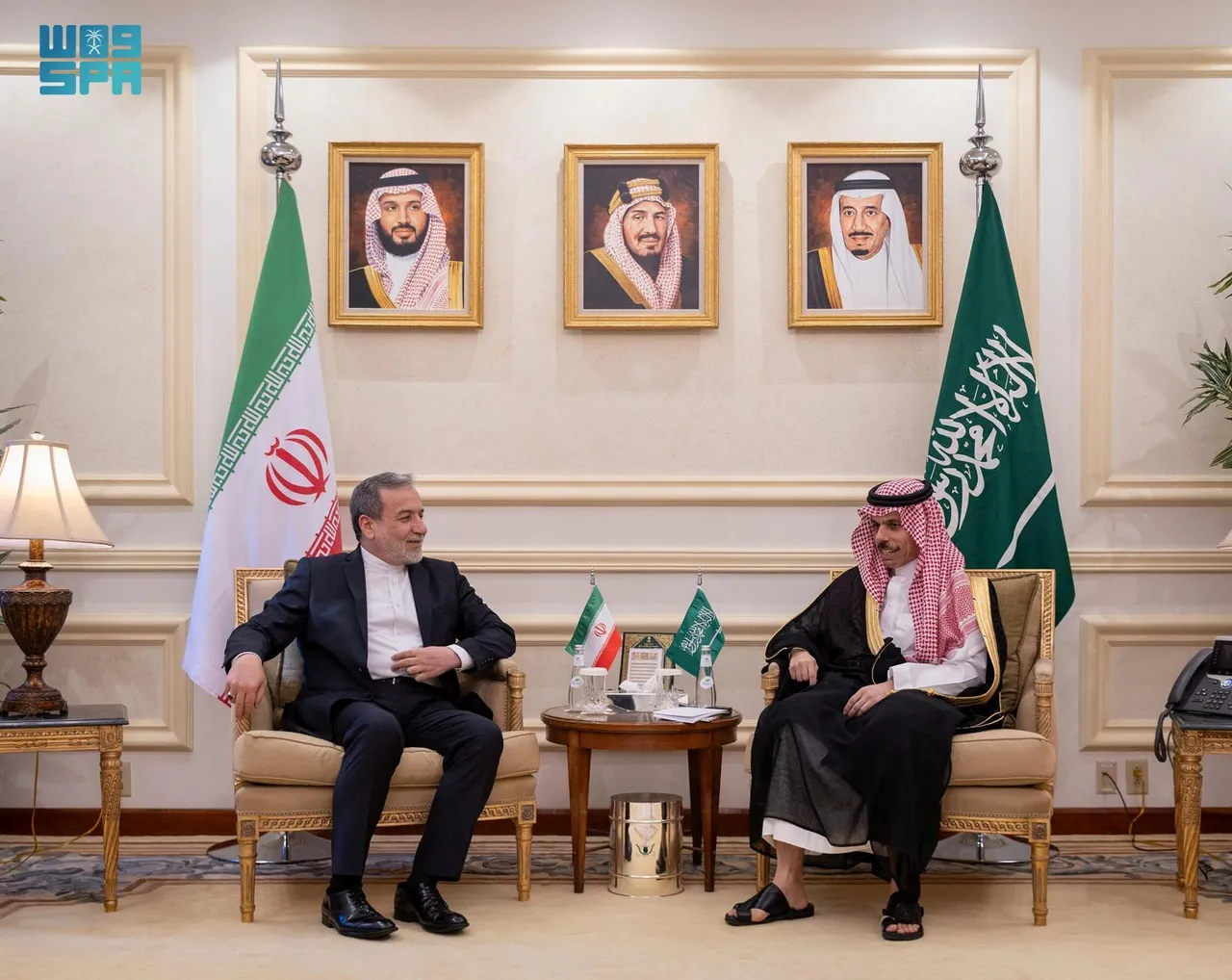

Riyadh Proposes Regional Non-Aggression Framework Inspired by Cold War Europe
Saudi Arabia is reportedly exploring a major diplomatic initiative aimed at reducing tensions between Iran and regional states through a proposed non-aggression pact.
According to reports, the Saudi proposal is inspired by the 1975 Helsinki Accords, the Cold War-era agreement that helped ease tensions between the Soviet bloc, the United States, and European nations. The framework promoted respect for borders, economic cooperation, and diplomatic engagement across Europe during one of the most unstable periods in modern history.
Saudi officials reportedly believe a similar structure could help stabilize the Middle East at a time of growing military tensions, shifting alliances, and regional uncertainty following the recent conflict involving Iran, Israel, and the United States.
European capitals and institutions within the European Union are said to support the idea. However, uncertainty remains over whether Israel and the United States would back such an agreement.
An Arab diplomat familiar with discussions reportedly stated that most Arab and Muslim countries, along with Iran, would likely welcome a regional non-aggression arrangement.
The proposed framework comes as Gulf nations increasingly seek diplomatic solutions to avoid further escalation after the recent regional conflict severely destabilized security dynamics.
Gulf States Split Over Iran and Israel Policies
The conflict has exposed growing divisions among Gulf states regarding relations with Iran and Israel. While Saudi Arabia has favored mediation and diplomatic engagement, the United Arab Emirates has adopted a more aggressive position toward Iran.
Reports suggest Abu Dhabi has moved closer to Israel since the outbreak of the US-Israeli conflict involving Iran. During the conflict, Israeli defense systems were reportedly deployed to the UAE, reflecting increasing security coordination between the two sides.
Israeli Prime Minister Benjamin Netanyahu was also reportedly involved in a secret wartime visit to the UAE, although Emirati officials denied the reports.
Saudi Arabia, meanwhile, has supported diplomatic efforts involving Pakistan as a mediator between Washington and Tehran. However, negotiations between the US and Iran reportedly remain stalled.
The issue of the Strait of Hormuz remains another major challenge. Iran continues seeking influence over the strategically important waterway, which carries a significant portion of global oil shipments. Tehran has reportedly implemented its own navigation protocols and toll systems in the region.
China has also entered discussions surrounding the strait. US President Donald Trump stated that Chinese President Xi Jinping offered assistance to help keep the route open and stable.
Iranian media later reported that Chinese vessels were allowed to pass through the Strait of Hormuz under Iranian-managed transit arrangements.
Regional Conflict Continues to Impact Security and Global Economy
The wider regional conflict continues to influence security, diplomacy, and global markets. Israeli military operations in Lebanon remain active, with Israel confirming the death of another soldier during combat operations in southern Lebanon.
At the same time, tensions between Iran and the UAE have intensified. Iranian Foreign Minister Abbas Araghchi accused the UAE of supporting military actions against Iran during the conflict.
Global economic institutions are also monitoring developments closely. The International Monetary Fund warned that prolonged instability linked to the Iran conflict could weaken global growth and increase inflation risks worldwide.
Analysts say Saudi Arabia’s proposed peace framework reflects growing concern among Gulf states about long-term regional instability. The initiative also highlights efforts to prevent future wars that could threaten energy supplies, trade routes, and regional economies.
Whether the proposal gains broader international support remains uncertain. However, the idea signals a major diplomatic shift as Middle Eastern powers attempt to redefine regional security after months of conflict and geopolitical tension.

