

Imagery Raises Questions About Extent of Damage at Strategic Installations
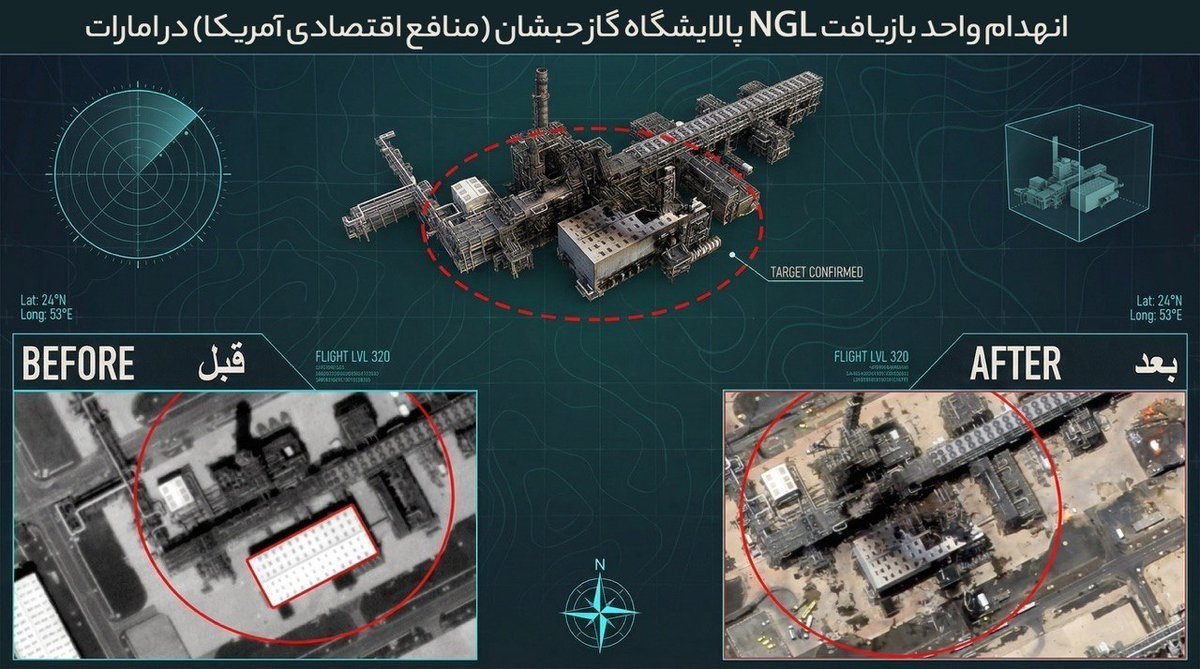
Newly analysed satellite imagery reportedly identified damage at several Israeli military facilities following Iranian and Hezbollah operations during the recent regional conflict, prompting further discussion over the extent of the reported impact.
According to analysis published by Soar, satellite images showed signs of strikes affecting multiple military locations during Iran’s operation known as “Operation True Promise 4,” which Tehran launched in response to the broader conflict that began on February 28.
The report indicated that imagery from Sentinel-2 satellites identified apparent damage at several locations. Analysts pointed to two affected areas at Ramat David Air Base, including sections reportedly associated with support equipment and operational service infrastructure for aircraft.
Additionally, analysts highlighted visible changes near structures inside the Mishar base, which reportedly hosts signals intelligence activities. The review suggested that an incident may have occurred between March 5 and March 10.
Furthermore, imagery reportedly showed visible damage at a location within Nevatim Air Base, another site considered strategically important during the conflict.
Military Activity and Censorship Debate Continue Following Ceasefire
Additional satellite analysis also indicated a significant fire at Camp Shimshon beginning on March 10. Reports stated that the fire spread across a large section of the base and continued for several days.
Comparisons with previous high-resolution imagery reportedly showed the area had consistently served operational military functions rather than undeveloped land or vegetation zones.
Meanwhile, some observers argued that lower-quality publicly released images raised questions regarding the broader presentation of damage assessments.
Reports also stated that Iran launched hundreds of missiles and drones toward Israeli-controlled areas during the conflict.
Although a Pakistan-mediated ceasefire has remained in effect since April 8, regional tensions and discussions surrounding long-term security arrangements have continued.
Observers also continue monitoring diplomatic efforts and broader developments involving future relations between regional powers.

