

Quetta is moving closer to a major public transport upgrade with plans for a modern Bus Rapid Transit system.
The proposed Quetta BRT project could cost more than Rs300 billion. Officials expect the project to be completed by 2032. The initiative would place Quetta among Pakistani cities developing modern mass transit systems.
Foreign Firms Show Interest in Quetta BRT
The Balochistan government has decided to launch the proposed BRT project in the provincial capital.
According to Transport Department officials, five foreign companies have expressed interest in conducting the project’s feasibility study.
One of these companies will receive the contract for the study. However, construction work will begin only after the feasibility process concludes.
The government will review the feasibility report before moving ahead with the project.
Officials currently estimate the total cost at more than Rs300 billion. Meanwhile, the expected completion target is 2032.
Quetta’s Public Transport Plans Expand
The proposed BRT system comes as Quetta continues efforts to improve public transportation.
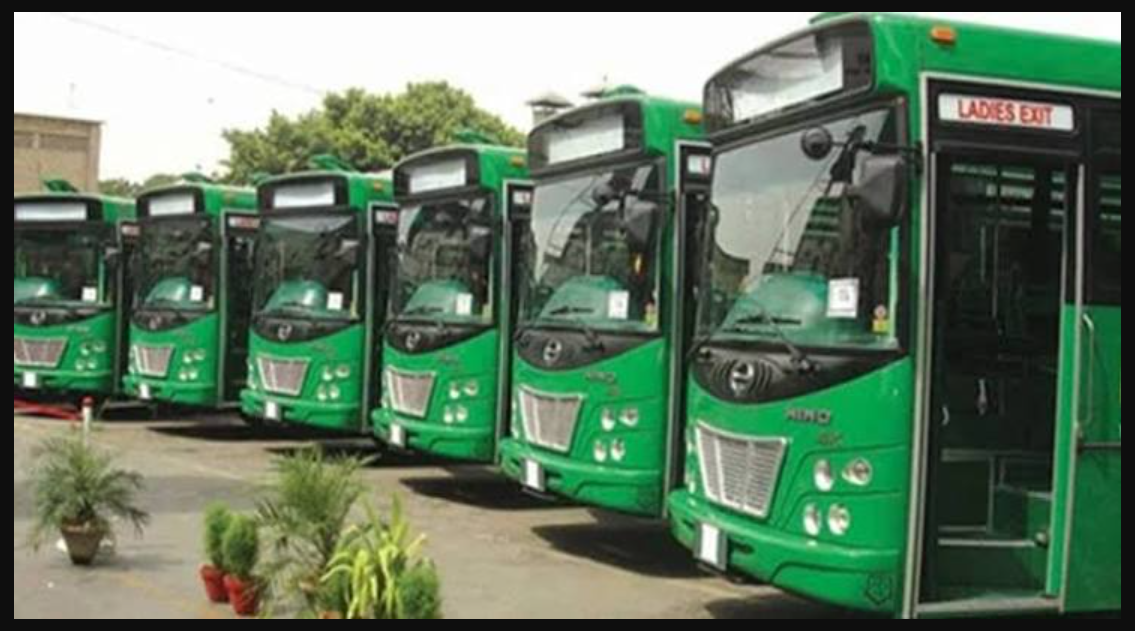
The Balochistan government has already introduced the Green and Pink Bus service in the city. The service aims to provide modern, safe and affordable transportation.
The initial fleet consists of 17 buses. Five pink buses are reserved for women and female students.
The remaining 12 green buses serve the general public.
The dedicated buses are intended to provide safer and more accessible travel options for residents.
BRT Project Could Transform Quetta’s Transport Network
The proposed project represents a larger step towards modernising Quetta’s public transport system.
However, the government must first complete the feasibility study before the project moves into its next phase.
Once the study is completed, authorities will assess the project’s requirements and proceed accordingly.
If implemented as planned, the Quetta BRT could significantly expand the city’s modern public transport infrastructure.
For now, the feasibility study remains the next major step towards turning the Rs300 billion proposal into a functioning transport system.

