

Regulator discusses lower charges with mobile operators as Pakistan prepares for wider 5G rollout
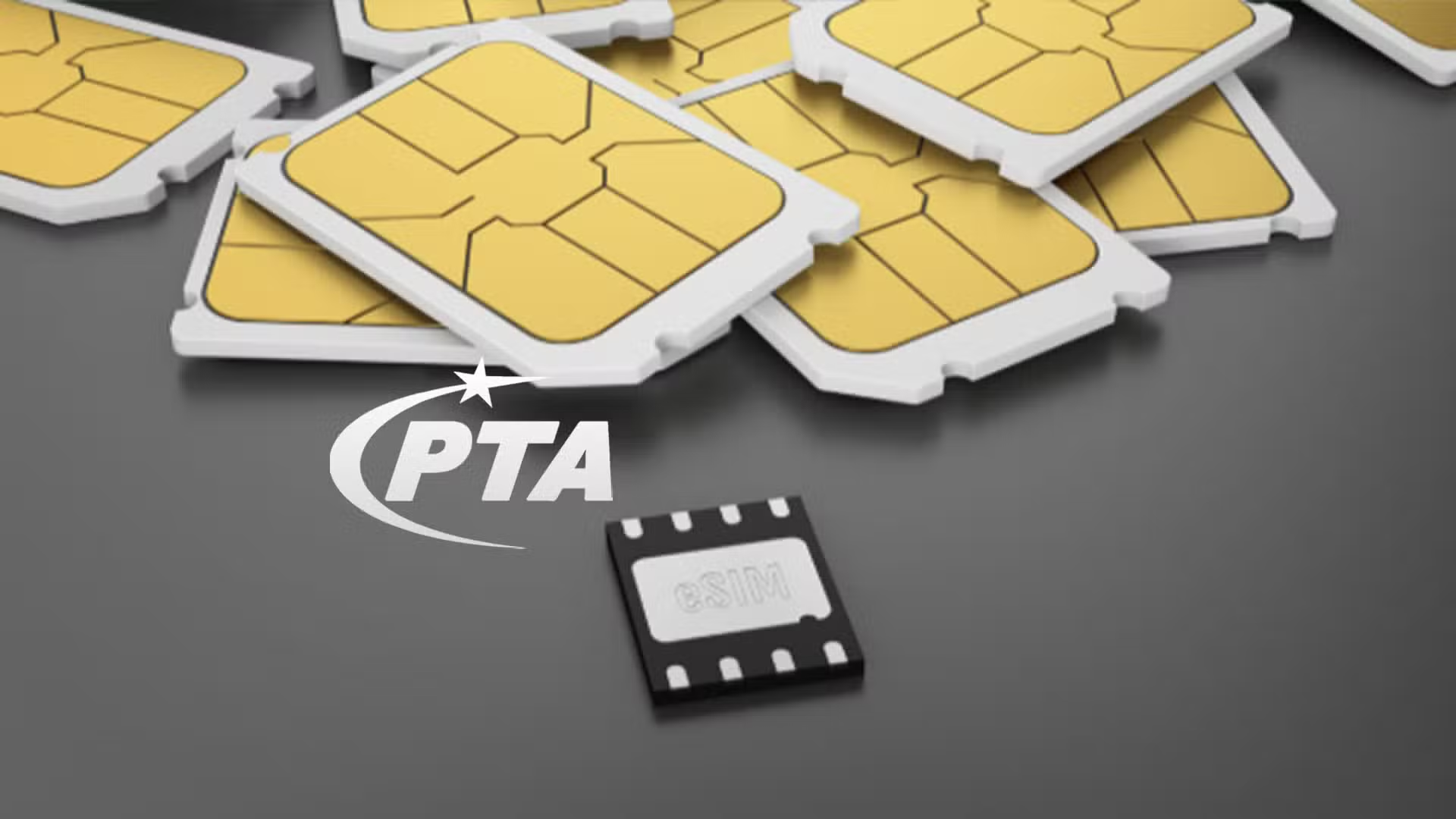
ISLAMABAD: The Pakistan Telecommunication Authority (PTA) is working with mobile network operators to reduce eSIM prices by up to 50 percent in an effort to encourage greater adoption of digital SIM technology across the country.
The proposal would lower the current eSIM fee of Rs. 2,000 to between Rs. 1,000 and Rs. 1,500, according to PTA Chairman Major General (R) Hafeez Ur Rehman, who briefed the Senate Standing Committee on Cabinet Secretariat.
The chairman said discussions with telecom operators are currently underway to finalise the proposed price reduction. He expressed confidence that increased demand for eSIM technology would help lower costs even further over time, making the service more accessible to consumers.
PTA clarifies role on taxation
During the committee meeting, Hafeez Ur Rehman clarified that the PTA has no authority to impose taxes on mobile phones, explaining that taxation falls under the jurisdiction of the Federal Board of Revenue (FBR).
He also informed lawmakers that approximately 25 million mobile phones are manufactured annually in Pakistan. However, premium smartphones, including Samsung and Apple devices, continue to be imported and remain subject to applicable customs duties and taxes.
Higher taxes could affect 5G adoption
The PTA chairman cautioned that high taxes on mobile phones could slow the adoption of next-generation telecommunications services, particularly 5G, by making compatible devices less affordable for consumers.
He stressed that reducing the overall cost of digital connectivity would play an important role in expanding access to advanced mobile technologies and accelerating Pakistan’s digital transformation.
The regulator believes that wider adoption of eSIM technology, combined with affordable smartphones and improved mobile infrastructure, will help strengthen the country’s telecommunications sector. Officials added that lowering eSIM prices is part of broader efforts to support innovation, improve user convenience and prepare Pakistan for the future expansion of 5G services across the country. The proposal is expected to benefit both consumers and the telecom industry by encouraging faster adoption of digital mobile solutions.

