
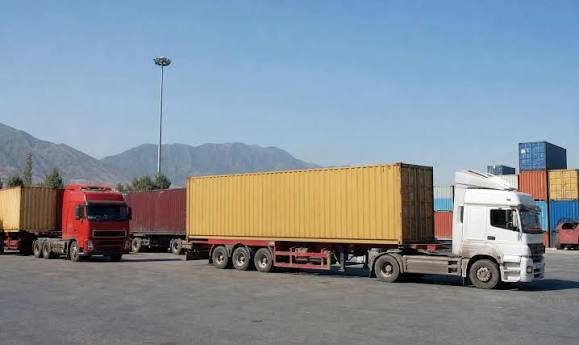

Goods transporters have demanded that the Ministry of Interior release containers detained by Islamabad police ahead of the PTI’s planned long march. The transporters say authorities should not use commercial vehicles for political activities or road blockades.
The PTI, backed by the opposition alliance Tehreek-i-Tahaffuz Ayeen-i-Pakistan (TTAP), plans to march towards Islamabad on September 27. The party says the protest will demand the release of its founder and former premier Imran Khan.
Transporters Raise Concerns Over Seizures
All Pakistan Goods Transport Owners Association President Muhammad Owais Chaudhry said Islamabad police had detained around 100 container vehicles. He said authorities mainly seized the vehicles from Sangjani and Tarnol.
According to Chaudhry, authorities could rent empty containers from businesses around the capital instead of detaining commercial vehicles. He added that some vehicles had reportedly been parked in isolated areas, while authorities allegedly removed containers from certain trucks.
The association said the seizures have caused financial losses and disrupted transport businesses. Transporters also had to remove goods from some containers because authorities did not accept responsibility for possible cargo damage.
Association Seeks Transparent Investigation
The association said some transporters reported that authorities released certain seized vehicles and containers after receiving money. However, several vehicles allegedly remain in police custody.
The association demanded a transparent investigation into these claims. It also stressed that individual political affiliations among transporters should not link the association’s demands to the PTI.
Meanwhile, the Islamabad High Court has decided to form a larger bench to hear a petition against the planned protest. The court described the matter as sensitive and noted its potential constitutional implications.
The transporters warned that forcibly using commercial vehicles for political purposes could create an impression of state coercion. They urged authorities to release the vehicles and protect commercial activity.

