

Peshawar’s public transport network has received a major boost with the launch of new buses and additional facilities for passengers.
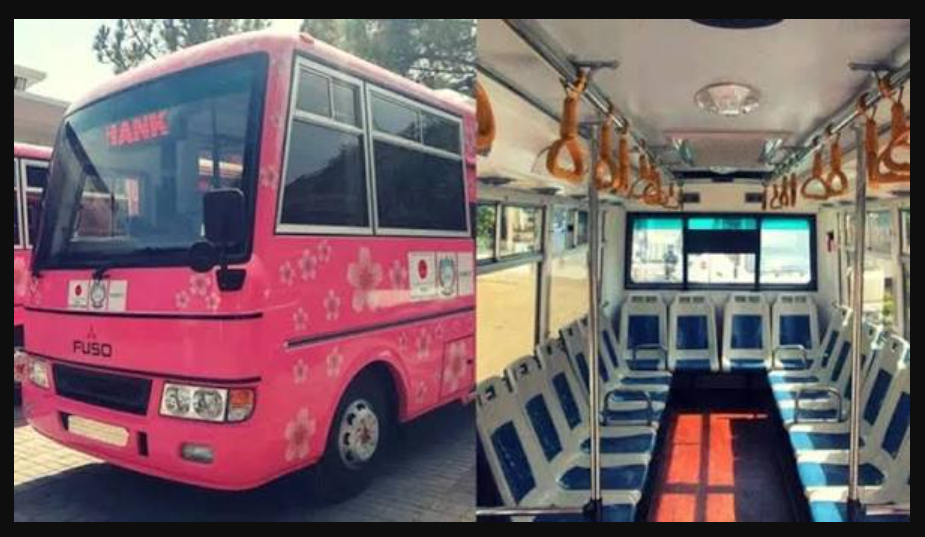
Khyber Pakhtunkhwa Chief Minister Sohail Afridi inaugurated 52 new hybrid buses for the Peshawar Bus Rapid Transit (BRT) system on Tuesday. He also launched a Pink Bus service for women, along with new solarisation projects at BRT facilities.
The new initiatives aim to expand the BRT network while improving services for passengers. Meanwhile, solar power is expected to reduce electricity expenses at the system’s depots.
Peshawar BRT Fleet Expands to 296 Buses
The Peshawar BRT currently carries around 250,000 passengers every day, according to a briefing given to the chief minister. Women account for around 30% of the system’s daily passengers.
The briefing also stated that the BRT reduces carbon dioxide emissions by around 30,000 tonnes annually. With 52 additional buses, the total BRT fleet has now reached 296 vehicles.
The new buses will allow additional routes to open and help reduce pressure on existing services. Consequently, the continued expansion is being presented as evidence of the project’s growing reach.
Pink Bus Service Introduced for Women
The new Pink Bus service has been introduced specifically to address the needs of women passengers.
The initiative forms part of the latest expansion of the Peshawar BRT system. It is intended to provide an additional transport option for women using public transport in the city.
BRT Depot Gets One-Megawatt Solar System
The government has also completed a one-megawatt solar power system at the Chamkani depot.
According to the briefing, the solar installation will generate around 1.44 million units of electricity every year. It is also expected to save approximately Rs76 million annually.
Moreover, Rs1.5 billion has been allocated to solarise the entire BRT system. Full solarisation is expected to further reduce the system’s electricity costs.
More BRT Buses and Depots Planned
The expansion of Peshawar’s BRT system is also set to continue. The current Annual Development Programme includes 50 additional buses at a cost of Rs5 billion.
Meanwhile, work is underway on the purchase and construction of new depots. The project has an allocated cost of Rs6.2 billion.
These planned additions will further expand the BRT infrastructure as passenger demand continues to shape the city’s public transport requirements.
Peshawar BRT Moves Towards Electric Transport
The briefing also stated that Pakistan currently has no fully electric bus service other than the BRT.
The system’s latest developments therefore combine fleet expansion with renewable energy infrastructure. As a result, the BRT is continuing to expand its passenger capacity while pursuing lower electricity costs through solarisation.
For the latest updates, visit and follow The Truth International website (www.thetruthinternational.com) and subscribe to the YouTube Channel.

