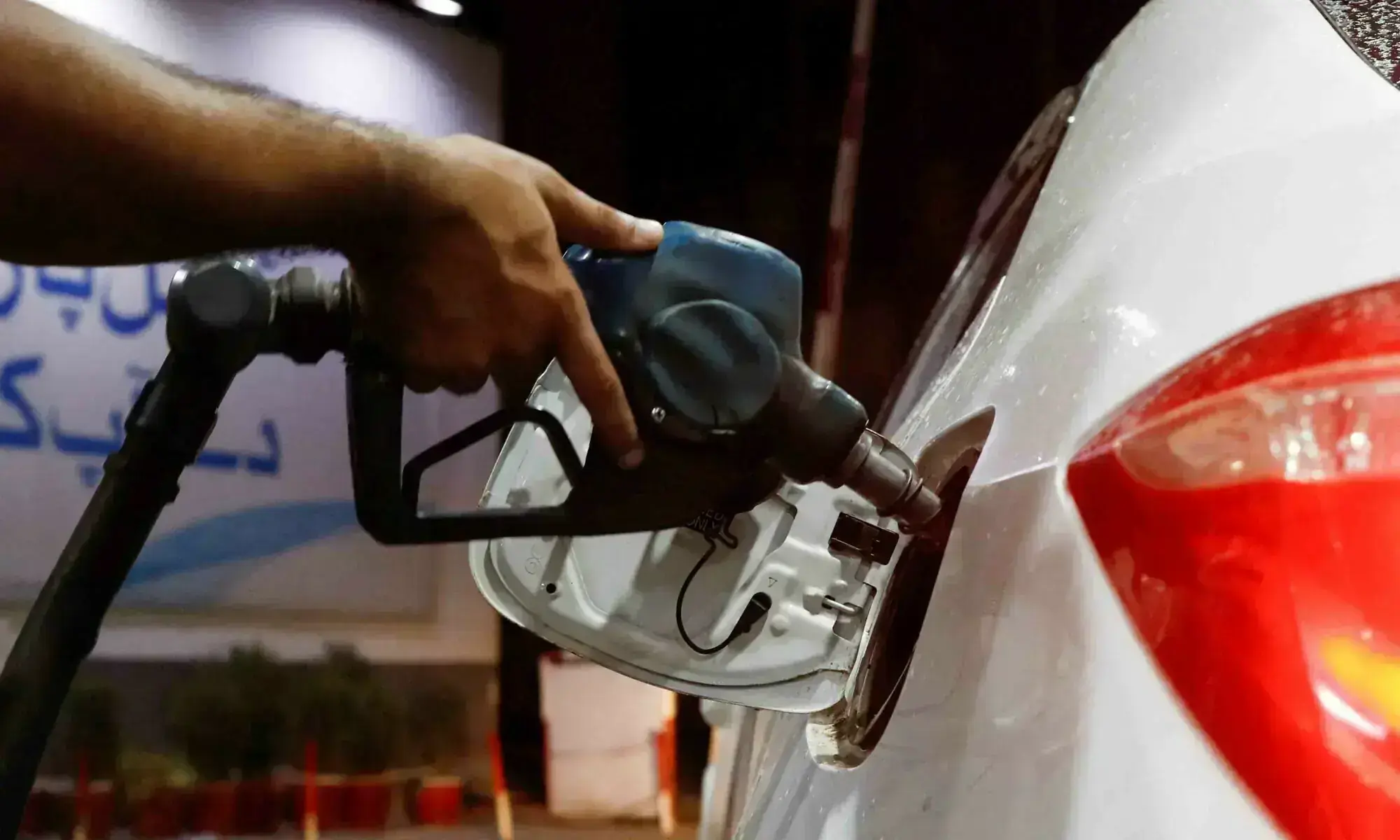

The federal government has announced another reduction in petrol and diesel prices, marking the fifth consecutive cut in petroleum rates across Pakistan. The latest decision offers additional relief to motorists, transport operators and households struggling with high living costs.
According to a notification issued by the Oil and Gas Regulatory Authority (OGRA) on Friday, November 6, 2026, petrol prices have been reduced by Rs6.59 per litre, while high-speed diesel has become cheaper by Rs4.25 per litre. The revised rates will remain effective from November 7 to November 10 because November 9 is a public holiday.
Latest Petrol and Diesel Prices in Pakistan
Following the latest adjustment, petrol will cost Rs346 per litre, down from Rs352.59. Meanwhile, high-speed diesel will be available at Rs378 per litre, compared with the previous rate of Rs382.25.
| Petroleum product | Previous price | New price | Reduction |
|---|---|---|---|
| Petrol | Rs352.59 | Rs346.00 | Rs6.59 |
| High-speed diesel | Rs382.25 | Rs378.00 | Rs4.25 |
Prices are in Pakistani rupees per litre, effective November 7–10, 2026.
The reduction continues a series of daily adjustments introduced in response to changing international oil prices.
On November 5, the government reduced petrol prices by Rs9.41 and diesel prices by Rs5.56 per litre. Earlier reductions were also announced on November 2, 3 and 4.
Together, the five consecutive revisions have reduced petrol prices by Rs31.91 per litre and diesel prices by Rs24.96 per litre compared with the rates before the first cut.
The latest decline is particularly significant for commuters who depend on motorcycles, small cars and other petrol-powered vehicles.
Why Are Fuel Prices Falling in Pakistan?
The recent decline follows fluctuations in international crude oil markets and changes in the government’s petroleum pricing mechanism.
Pakistan imports a substantial portion of its petroleum requirements. Consequently, international oil prices, exchange rates and government taxes directly influence domestic fuel costs.
The government introduced daily petroleum price adjustments in July 2026, replacing the previous weekly system.
The revised mechanism allows OGRA to review international market conditions more frequently and adjust domestic prices accordingly.
The government maintains that the system can provide consumers with quicker relief when international prices decline.
However, the same mechanism can also result in faster price increases when global markets move upward.
Government Introduces Rs15 Billion Refinery Relief Arrangement
Alongside international market developments, the government has introduced a temporary arrangement involving domestic oil refineries.
Under the 30-day mechanism announced earlier this week, refineries will contribute approximately Rs15 billion toward the petroleum levy.
According to government officials, the arrangement allows a reduction of Rs14.71 per litre in the petrol price paid by consumers.
The initiative aims to limit the financial burden of expensive petroleum products without immediately eliminating existing government taxes.
Despite the latest reductions, the government continues collecting approximately Rs114 per litre in taxes and duties on petrol and Rs100 per litre on diesel.
Petroleum Minister Ali Pervaiz Malik has also indicated that authorities are exploring a similar relief mechanism for liquefied petroleum gas.
Such measures could provide further assistance to households that depend on LPG for cooking and heating.