
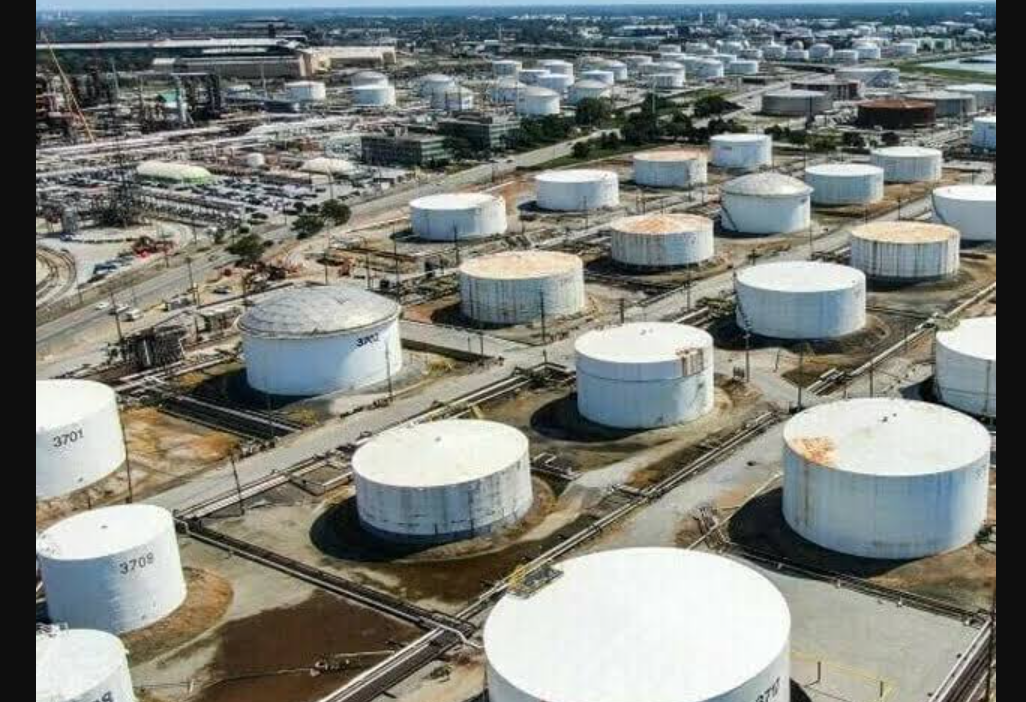

Pakistan is preparing a new oil storage scheme with Saudi Arabia, Kuwait and Qatar to strengthen its energy security.
Petroleum Minister Ali Pervaiz Malik announced the plan while addressing a press conference in Lahore on Sunday.
Under the proposed arrangement, the three countries would store oil on secure Pakistani territory. They would bear the storage costs under the planned bonded scheme.
The proposal aims to give Pakistan greater protection against future oil supply disruptions. At the same time, it could strengthen the country’s position as a regional energy hub.
Saudi Arabia, Kuwait and Qatar to Store Oil in Pakistan
Malik said Pakistan had reached an understanding with Saudi Arabia, Kuwait and Qatar over the proposed storage arrangement.
“I am grateful to the governments of Saudi Arabia, Kuwait and Qatar that we will have a bonded scheme with them, under which these countries will store their oil on the secure territories of Pakistan at their own cost, and supply to the entire world from here.”
The arrangement would allow the three countries to keep oil within Pakistan without requiring the government to finance the storage.
The minister also highlighted a potential benefit for Pakistan during a conflict. He said the country would have the right to purchase the stored resources when needed.
He explained that Pakistan could “buy those resources from them by paying for them and fulfil our needs”.
The proposed arrangement could therefore provide Pakistan with an additional option during periods of severe supply pressure.
Oil Storage Proposal Sent to ECC
Malik said officials had already prepared the proposed commercial framework.
He said the “commercial bonded scheme drafted with the help of Aramco and other major companies” has been forwarded to the Economic Coordination Committee (ECC).
The proposal was sent to the ECC on the directives of Prime Minister Shehbaz Sharif.
The government expects the committee to consider the proposal soon. Malik indicated that a decision could come next week.
“When, God-willing, a decision is made on it next week, you will see the progress,” he added.
He also said the proposed arrangement could help meet Pakistan’s energy requirements without placing an immediate financial burden on the government.
According to Malik, the country’s energy needs would be fulfilled “without spending money and despite a lack of resources”.
Pakistan Faces Major Energy Security Challenge
The proposed storage scheme comes as Pakistan faces continuing pressure over energy security.
The country currently has no strategic petroleum reserves. Consequently, disruptions in international oil supplies can create significant challenges for domestic energy markets.
The minister linked the current situation to disruptions through the Strait of Hormuz. He said those disruptions had affected oil supplies and contributed to unprecedented increases in petroleum prices.
Against this backdrop, the government has placed greater emphasis on strengthening energy security.
Malik said Pakistan would need substantial investment to establish domestic crude oil reserves. He estimated that storing crude oil reserves for one month would require around $500 million.
He also said an underground storage system could require another $300-400 million.
The government will later consider whether Pakistan can invest the required amount. According to Malik, the leadership will discuss the matter during the coming months.
Pakistan Wants Greater Control Over Energy Supplies
Pakistan’s dependence on imported energy remains another major challenge.
Malik said the country imports around 90 per cent of its energy requirements. Meanwhile, domestic oil production remains far below national demand.
Pakistan currently produces approximately 70,000 barrels of oil per day. In contrast, daily demand stands at around 500,000 barrels.
The large gap highlights the importance of expanding domestic production. Therefore, Malik stressed the need to accelerate indigenous oil and gas exploration.
Greater domestic exploration could help reduce Pakistan’s dependence on imported energy. It could also support the country’s wider efforts to improve energy security.
The government is also working on a broader strategy for the energy sector.
International Company Preparing Energy Roadmap
Malik said Prime Minister Shehbaz Sharif and the field marshal had tasked a leading international company with preparing an energy roadmap.
The company is expected to develop a comprehensive plan for Pakistan’s energy sector. The roadmap will subsequently be presented to the national leadership in the coming months.
The initiative comes alongside the government’s push for greater domestic exploration and investment.
Meanwhile, Pakistan is also looking towards international partnerships to strengthen its energy infrastructure.
The proposed oil storage scheme with Saudi Arabia, Kuwait and Qatar represents one such effort. The government hopes the arrangement will provide additional flexibility during future supply disruptions.
Turkish Petroleum to Begin Offshore Drilling
Pakistan is also preparing for new offshore exploration activity.
Malik said Turkish Petroleum would soon commence offshore drilling operations in Pakistan’s territorial waters.
According to the minister, the drilling could pave the way for significant foreign investment in Pakistan’s energy sector.
The announcement comes as the government seeks to accelerate indigenous oil and gas exploration.
Pakistan’s low domestic oil production remains a major challenge. Therefore, offshore exploration represents another area where the government hopes to expand energy activity.
The government is simultaneously pursuing storage solutions and exploration initiatives. Together, these efforts form part of its broader focus on energy security.
LPG Supplies and New Gas Connections
The petroleum minister also announced developments concerning liquefied petroleum gas.
He said LPG tenders would open on Monday. The government has also made arrangements to issue new gas connections for consumers.
The measures are aimed at facilitating consumers while Pakistan continues to manage pressure across the energy sector.
At the same time, the government is dealing with the impact of international oil market fluctuations.
Government Focuses on Fuel Price Pressure
Malik said the government ensured uninterrupted fuel supplies despite economic pressures linked to the US-Iran war.
He said authorities made “every effort” to protect consumers from the full impact of rising global prices.
The minister added that the government remained committed to providing maximum relief to the public.
However, he acknowledged the limits created by the government’s financial resources.
The government has also introduced changes to the way petroleum prices are presented and calculated.
Malik said Prime Minister Shehbaz Sharif had introduced a transparent petroleum pricing mechanism. He added that all pricing calculations were available on the Oil and Gas Regulatory Authority’s website.
Fuel Prices Face Frequent Revisions
Pakistan has been revising fuel prices frequently amid fluctuations in international markets.
Since mid-July, the government has revised fuel prices on a near-daily basis. The changes followed renewed hostilities between the US and Iran.
Before that period, petroleum prices had been revised weekly since the war began.
The government also introduced measures aimed at conserving fuel during the period.
The frequent price adjustments reflect the pressure created by international market movements. Consequently, energy security has become an increasingly important policy concern.
Circular Debt Remains on Government’s Agenda
Malik also discussed the financial problems facing Pakistan’s petroleum sector.
He recalled that the federal cabinet had approved a refinery policy last month. He said the government was also working to resolve long-standing financial issues in the petroleum sector.
According to the minister, the flow of circular debt had been halted.
However, outstanding liabilities from previous administrations remain. The government is working to clear those inherited liabilities.
The circular debt issue remains part of the broader challenge facing Pakistan’s energy sector.
Therefore, the government is pursuing several measures at the same time. These include oil storage, domestic exploration, offshore drilling, gas connections and financial reforms.
A Broader Push for Energy Security
Pakistan’s proposed partnership with Saudi Arabia, Kuwait and Qatar comes at a crucial point for the country’s energy sector.
The planned bonded storage arrangement could allow partner countries to maintain oil stocks within Pakistan. Importantly, the countries would bear the storage costs under the proposed scheme.
Pakistan could also purchase those resources during a conflict by paying for them.
At the same time, the government is considering major investments in domestic oil storage. It is also pushing for greater exploration to reduce dependence on imports.
Turkish Petroleum’s planned offshore drilling adds another element to this strategy.
Meanwhile, Pakistan continues to manage fuel price pressures and the financial challenges affecting its energy sector.
The government’s approach now combines international cooperation with domestic energy development. The proposed storage scheme, therefore, could become an important part of Pakistan’s broader effort to strengthen energy security.

